Master this chapter. Complete your experience
Purchase the complete book to access all chapters and support classic literature

As an Amazon Associate, we earn a small commission from qualifying purchases at no additional cost to you.
Available in paperback, hardcover, and e-book formats
Why This Matters
Connect literature to life
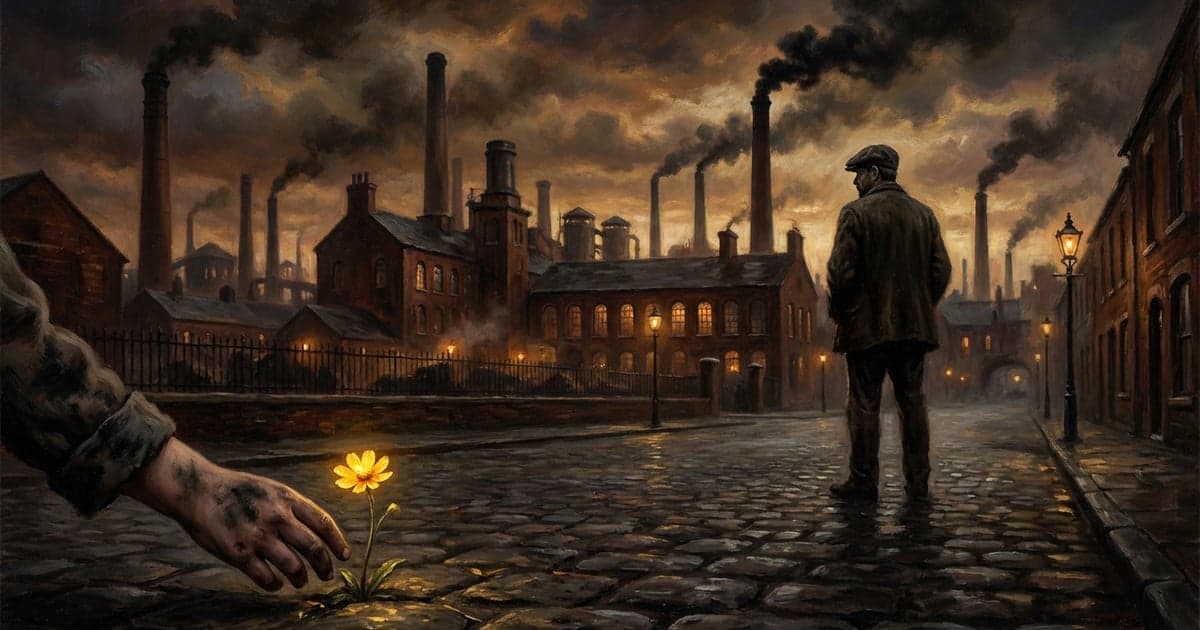
This chapter teaches how oppressive systems methodically destroy workers' capacity to resist through deliberate exhaustion and degradation.
Practice This Today
This week, notice when you're too tired to think about your situation—that exhaustion might be intentional, not inevitable.
Now let's explore the literary elements.
Key Quotes & Analysis
"They use everything of the pig except the squeal."
Context: Describing the Packingtown joke about waste efficiency
This dark humor reveals how the industry's efficiency extends to using every scrap of meat, no matter how spoiled or contaminated. The joke masks a horrifying reality where profit matters more than public health.
In Today's Words:
They'll find a way to make money off anything, even garbage.
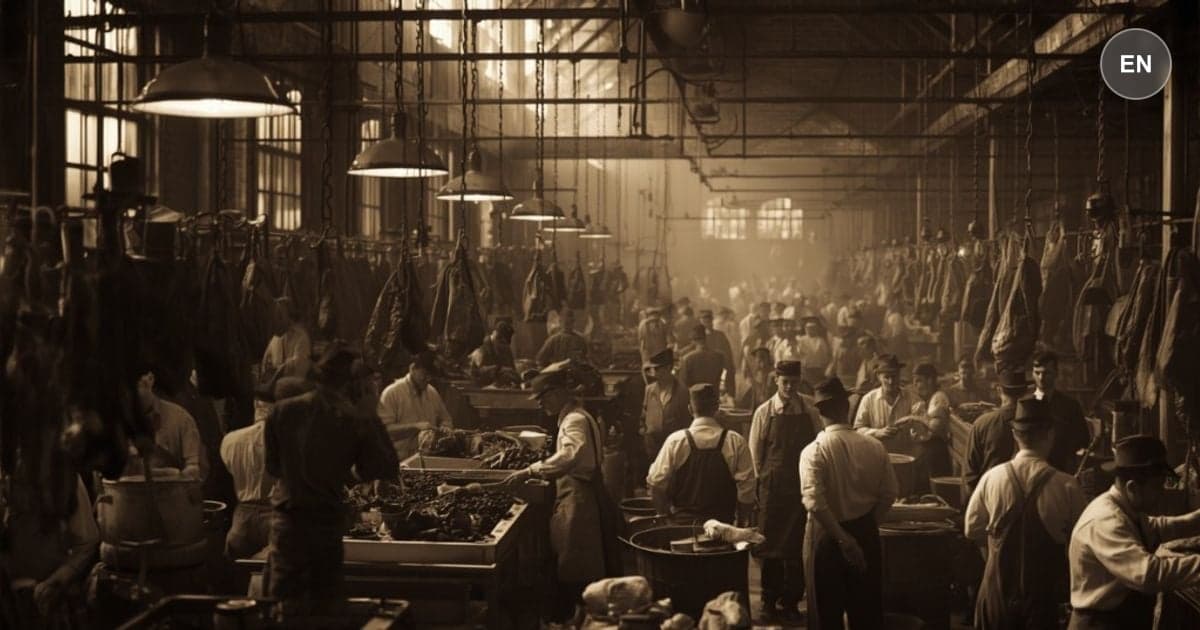
"There would be meat that had tumbled out on the floor, in the dirt and sawdust, where the workers had tramped and spit uncounted billions of consumption germs."
Context: Exposing the unsanitary conditions in meat processing
This vivid description shows how contaminated meat gets processed into food products sold to unsuspecting consumers. The casual mention of tuberculosis germs reveals the deadly health risks hidden from the public.
In Today's Words:
Food that fell on the nasty floor got picked up and sold anyway, germs and all.
"It seemed as if his whole soul was on fire with a pain that was deadly."
Context: Describing Jurgis's physical and emotional agony
This powerful metaphor captures how industrial work destroys both body and spirit. Jurgis's pain isn't just physical - it's existential, representing the crushing weight of a system designed to break him.
In Today's Words:
Everything hurt so bad he felt like he was dying inside and out.
Thematic Threads
Industrial Dehumanization
In This Chapter
Workers become extensions of machinery, processing spoiled meat while their own souls rot in the same toxic environment
Development
Evolved from earlier workplace dangers to complete spiritual destruction
In Your Life:
You might recognize this when your job starts feeling like it's processing your humanity along with whatever you're supposed to be producing.
Addiction as Survival
In This Chapter
Jurgis turns to alcohol not for pleasure but as the only available anesthetic for unbearable physical and emotional pain
Development
Introduced here as a new coping mechanism
In Your Life:
You might see this in any habit that helps you endure what you can't change—scrolling, shopping, drinking, or working itself.
Systemic Corruption
In This Chapter
The meat industry's poisonous practices mirror how corrupt systems contaminate everything they touch, including the people trapped within them
Development
Expanded from earlier workplace corruption to industry-wide poisoning
In Your Life:
You might notice this when you realize your workplace's 'normal' practices would horrify outsiders, but you've learned to accept them.
Protective Numbness
In This Chapter
The family falls into torpor, their spirits sleeping to avoid the unbearable pain of their reality
Development
Developed from earlier hope and fighting spirit into defensive shutdown
In Your Life:
You might experience this when you stop feeling excited about anything because disappointment has become too painful to risk.
Generational Damage
In This Chapter
Little Antanas suffers from preventable diseases while Ona's pregnancy becomes a source of terror rather than joy
Development
Evolved from family solidarity to family members becoming burdens to each other
In Your Life:
You might see this when financial stress makes family milestones—birthdays, graduations, pregnancies—feel like additional problems rather than celebrations.
You now have the context. Time to form your own thoughts.
Discussion Questions
- 1
What specific practices in the meat industry does Sinclair expose, and how do these conditions affect the workers like Elzbieta?
analysis • surface - 2
Why does Jurgis turn to alcohol despite knowing it creates more problems for his family? What need is he trying to meet?
analysis • medium - 3
Where do you see this pattern of 'systematic grinding down' in modern workplaces or relationships? How do toxic environments deliberately exhaust people?
application • medium - 4
If you were advising someone trapped in a situation like Jurgis's, what small steps would you suggest to protect their spirit and health while they work toward change?
application • deep - 5
What does this chapter reveal about how power systems maintain control? Why isn't exploitation enough—why must they also crush hope?
reflection • deep
Critical Thinking Exercise
Map Your Energy Drains
Create two columns: 'Energy Drains' and 'Energy Sources' in your current life. List everything that exhausts you versus what restores you. Look for patterns—are your drains systematic (like Jurgis's work) or random? Do you have enough sources to balance the drains? This exercise helps you recognize when exhaustion might be intentional or structural.
Consider:
- •Notice if your biggest energy drains also make you feel ashamed or hopeless
- •Consider whether your 'escape' behaviors are actually helping or creating more drain
- •Look for which drains you can control versus which are imposed by systems
Journaling Prompt
Write about a time when you felt systematically worn down by a job, relationship, or situation. What kept you there? What finally helped you recognize the pattern or find a way out?
Coming Up Next...
Chapter 15: The Truth Revealed
Ona's mysterious behavior and frightening outbreaks suggest something terrible is happening that Jurgis isn't being told about. Her terror-filled promises that 'it won't happen again' hint at a dark secret that threatens to shatter what remains of their fragile world.