Chapter 39
The Weight of Ordinary Lives
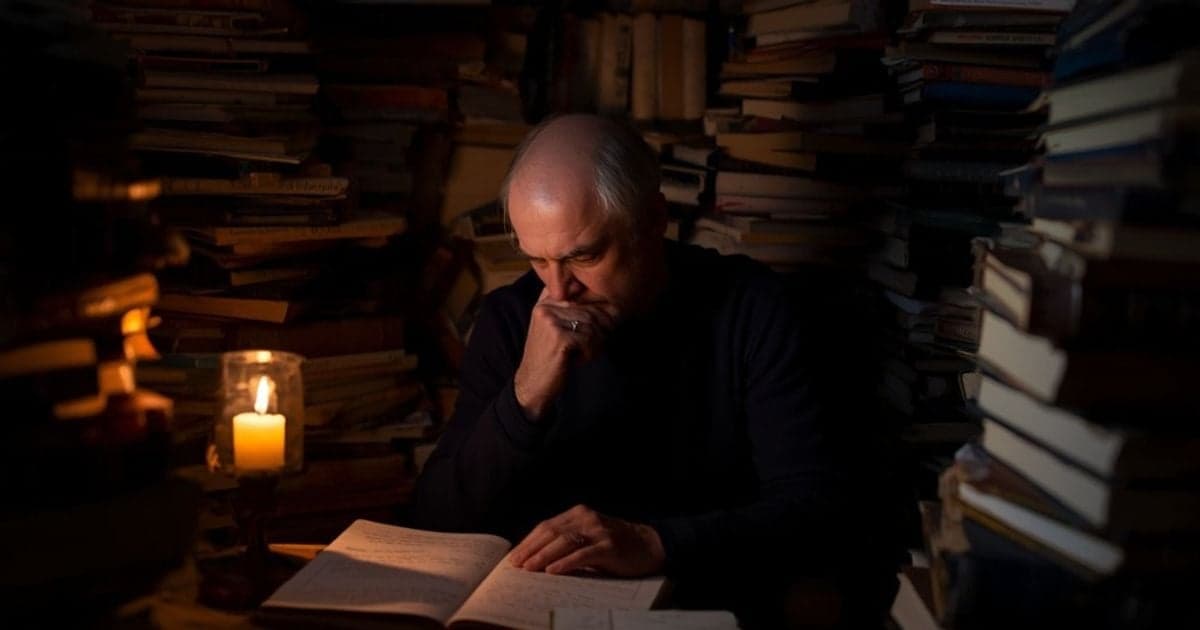
A week had elapsed since the rendezvous of our two friends on the green bench in the park, when, one fine morning at about half-past ten o’clock, Varvara Ardalionovna, otherwise Mrs. Ptitsin, who had been out to visit a friend, returned home in a state of considerable mental depression. There are certain people of whom it is difficult to say anything which will at once throw them into relief—in other words, describe them graphically in their typical characteristics. These are they who are generally known as “commonplace people,” and this class comprises, of course, the immense majority of mankind. Authors,…
Public-domain chapter text, formatted for reading.
Master this chapter. Complete your experience
Purchase the complete book to access all chapters and support classic literature

Available in paperback, hardcover, and e-book formats
Now let's explore the literary elements.
Key Quotes & Analysis
"commonplace people"
Context: Opening the essay on ordinary characters who strain to seem original
Dostoevsky names the majority class his novel must include without flattening them into types.
In Today's Words:
He says most of humanity belongs to commonplace people authors struggle to make interesting. That is not contempt; it is realism about social life. When you meet someone desperate to seem unique while repeating every trend, you are watching the class he describes, not a personal exception.
"deathless worm of suspicion"
Context: Describing clever mediocrities like Gania who doubt their own originality
The image captures chronic self-doubt in people too intelligent to believe their own posing.
In Today's Words:
He says the clever commonplace person carries a worm of suspicion that never dies, even while performing genius. Gania lives inside that sentence. When you cannot enjoy success because you are measuring yourself against an imaginary originality, the envy will eat every alliance you try to build.
"formally engaged"
Context: Reporting what the Epanchin sisters told her about Aglaya and the prince
News of official engagement lands in the Ivolgin apartment where Gania's hopes had been carefully tended.
In Today's Words:
She says the prince is formally engaged to Aglaya and the household no longer hides it. For Gania the words sound like a door closing he pretends he never wanted. When rivals hear your loss confirmed calmly, watch whether relief or rage arrives first; both reveal what they were betting on.
"hook and line"
Context: Explaining why Aglaya accepted the prince while mocking him in public
Varia reads Aglaya's motive as rebellion against family expectation rather than simple romance.
In Today's Words:
She says the prince caught Aglaya because he never fished for her and because the family considers him an idiot worth defying. The hook is indifference plus scandal. When someone chooses a partner partly to outrage their people, the relationship carries a protest that outlasts the first kiss.
Thematic Threads
Class Anxiety
In This Chapter
Gania fears his father's drunken visit to the wealthy Epanchins has destroyed their family's remaining social standing
Development
Building from earlier chapters where characters constantly navigate social hierarchies and fear humiliation
In Your Life:
You might feel this when worried about how your family's behavior reflects on you at work or in your community.
Family Shame
In This Chapter
The whole family lives in fear of what their alcoholic father might do to embarrass them publicly
Development
Expanded from previous hints about family dysfunction to show how one person's problems trap everyone
In Your Life:
You might recognize this if you've ever avoided bringing friends home because of a family member's unpredictable behavior.
Mediocrity Acceptance
In This Chapter
Varia has found peace by marrying practical Ptitsin and focusing on achievable goals rather than grand dreams
Development
Contrasts with characters like Nastasya who chase dramatic extremes
In Your Life:
You might see this in choosing a stable job over a risky dream career, finding contentment in realistic expectations.
Frustrated Ambition
In This Chapter
Gania burns with desire to be special but knows he lacks the talent, creating bitter self-awareness
Development
Deepens from earlier chapters showing his social climbing attempts
In Your Life:
You might feel this when you want recognition at work but know others are genuinely more skilled or talented.
Social Performance
In This Chapter
Characters worry about how news of Myshkin's engagement will affect their own standing and reputation
Development
Continues the theme of characters constantly managing their public image
In Your Life:
You might recognize this in carefully curating what you share on social media or how you present yourself to neighbors.
You now have the context. Time to form your own thoughts.
Discussion Questions
This is not a test. Five prompts guide you through the chapter, from how it opens to how it closes, so you notice context and rhythm rather than facts to memorize. Sit with each question in your own words. When you see "One way to read it," treat it as a starting point, not the only answer.
- 1
Dostoevsky calls Varia and Gania 'commonplace people' who crave originality. How does each cope with average ability?
analysis • surfaceOne way to read it
Varia marries steady Ptitsin and chooses achievable peace. Gania burns with ambition he knows exceeds his talent, which turns every setback into humiliation.
- 2
News spreads that Myshkin is engaged to Aglaya. Why is Gania both relieved and bitter?
analysis • mediumOne way to read it
A rival exits the board, yet the prize was never his. Relief spares another defeat; bitterness says the world still grants luck to the innocent prince he despises.
- 3
Gania fears his drunk father visited the Epanchins and destroyed their standing. How does parental shame become sibling poison?
analysis • mediumOne way to read it
Children inherit gossip and must manage the parent's body in society. Gania's terror is about optics: one drunk visit can undo years of climbing.
- 4
The narrator says commonplace lives are psychologically complex. When is accepting 'ordinary' a strength, not surrender?
application • deepOne way to read it
Varia's realism funds stability; Gania's refusal funds cruelty. Choosing limits early can free energy for honest work instead of perpetual war with your own mediocrity.
- 5
Where do you still chase being 'special' at the cost of people who depend on you?
reflection • deepOne way to read it
Gania embodies the trap. The essay invites naming quiet compromises that actually built your life versus performances meant to convince an audience you are destined.
Critical Thinking Exercise
Audit Your Ambition Trap
Write down three goals or dreams you currently have. For each one, honestly assess: Is this based on your actual strengths and interests, or on wanting to be seen as special? Which goals make you feel energized versus anxious? Identify one goal that might be driven more by comparison than genuine desire, and brainstorm how to either adjust it to fit your real capabilities or replace it with something more authentic.
Consider:
- •Consider whether you're measuring success by external validation or personal satisfaction
- •Notice if your goals require you to become a completely different person versus building on who you already are
- •Pay attention to which ambitions make you feel hopeful versus which ones make you feel inadequate
Journaling Prompt
Write about a time when you accepted a limitation and found unexpected peace or opportunity in that acceptance. How did letting go of one impossible dream open space for something more achievable and fulfilling?
Coming Up Next...
Chapter 40: When Family Secrets Explode
The family confrontation that's been building finally erupts as General Ivolgin storms in, followed by the rest of the household. What has the old general done now, and how will his latest scandal affect everyone's carefully laid plans?