
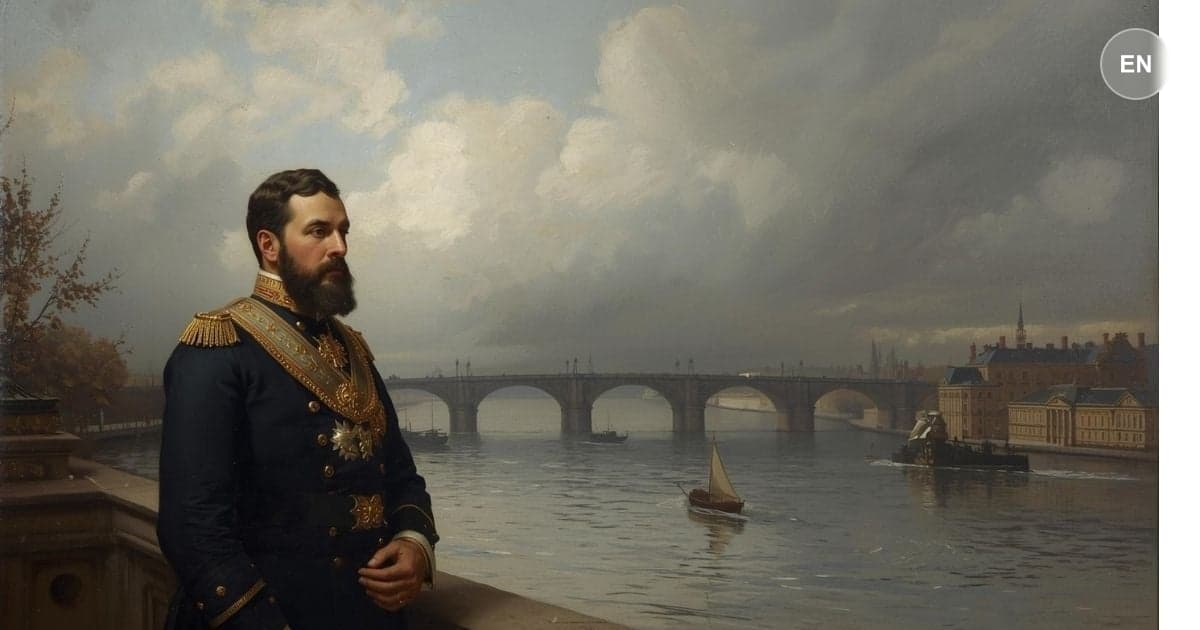
Chapter 24
The Public Humiliation
“I did not expect you, gentlemen,” began the prince. “I have been ill until to-day. A month ago,” he continued, addressing himself to Antip Burdovsky, “I put your business into Gavrila Ardalionovitch Ivolgin’s hands, as I told you then. I do not in the least object to having a personal interview... but you will agree with me that this is hardly the time... I propose that we go into another room, if you will not keep me long... As you see, I have friends here, and believe me...” “Friends as many as you please, but allow me,” interrupted the harsh…
Public-domain chapter text, formatted for reading.
Critical Thinking Exercise
Rewrite the Scene Privately
Imagine Myshkin had asked to speak with Burdovsky privately instead of responding in front of the group. Write a brief dialogue showing how this conversation might have gone differently. Focus on what Myshkin could have said to understand the real issue behind the accusation.
Consider:
- •How might Burdovsky's tone change without an audience watching?
- •What questions could Myshkin ask to understand the deeper conflict?
- •How does removing public pressure change what solutions become possible?
Journaling Prompt
Write about a time when you felt pressured to prove your character publicly. What would you do differently now, knowing that immediate gestures often backfire?
Master this chapter. Complete your experience
Purchase the complete book to access all chapters and support classic literature

Available in paperback, hardcover, and e-book formats
You Might Also Like

Lessons from The Idiot
Theme-by-theme analyses that connect this book to modern life skills.
Maintaining Goodness Without Naivety
Sit with Myshkin on the train in chapter 1: honesty with no angle, and a city that can only call it idiocy.
6 chapters·Explore AnalysisReading Authenticity vs Performance
Hear the Poor Knight, the truth game, and the dinner for Belokonskaya, and tell a person from a scene.
5 chapters·Explore AnalysisDistinguishing Intensity from Depth
Set Rogozhin's knife and packet against Myshkin's offer: heat is not the same thing as a life.
6 chapters·Explore AnalysisSetting Boundaries With Compassion
Name the yes that cannot become a no, from Marie's village to the vigil that cannot stop the knife.
5 chapters·Explore AnalysisKnowing Compassion's Limits
Stay with the choice that wrecks Aglaya: he will not abandon Nastasya, and the kindness has a cost.
5 chapters·Explore AnalysisRecognizing Destructive Love
Watch Nastasya and Rogozhin from the hundred thousand in the fire to the house police open in the morning.
6 chapters·Explore Analysis
Deep diving the literary elements.