Chapter 14
The Truth Game Explodes
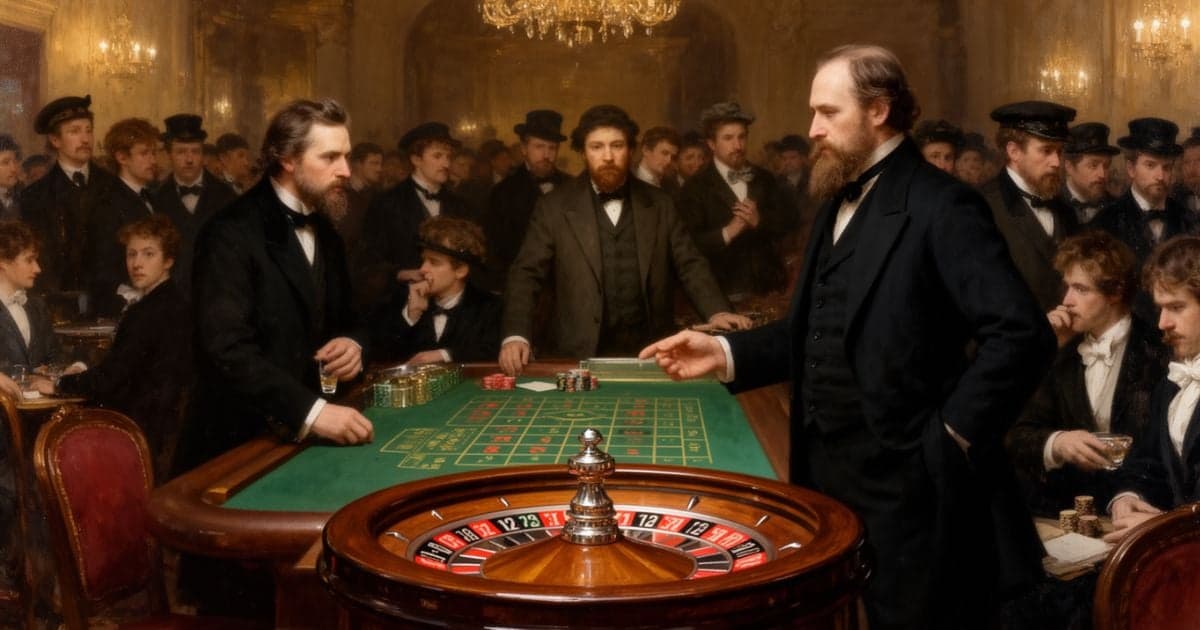
“I have no wit, Nastasia Philipovna,” began Ferdishenko, “and therefore I talk too much, perhaps. Were I as witty, now, as Mr. Totski or the general, I should probably have sat silent all the evening, as they have. Now, prince, what do you think?—are there not far more thieves than honest men in this world? Don’t you think we may say there does not exist a single person so honest that he has never stolen anything whatever in his life?” “What a silly idea,” said the actress. “Of course it is not the case. I have never stolen anything, for…
Public-domain chapter text, formatted for reading.
Master this chapter. Complete your experience
Purchase the complete book to access all chapters and support classic literature
Available in paperback, hardcover, and e-book formats
Now let's explore the literary elements.
Key Quotes & Analysis
"I have no wit, Nastasia Philipovna"
Context: Beginning his turn in the confession game with mock humility
False modesty becomes the launchpad for a trap aimed at the prince's conscience.
In Today's Words:
He opens by claiming stupidity, then lectures the room anyway. That move disarms people who expect wit from a fool and clears space for a nastier question. When someone prefaces cruelty with self-deprecation, treat the humility as staging, not surrender, especially if the next sentence puts you on trial.
"far more thieves than honest men in this world"
Context: Asking Myshkin to judge whether dishonesty is the human default
The question forces a moral binary in public, designed to make innocence look absurd.
In Today's Words:
He asks the prince to agree that theft is normal and honesty rare. That is not philosophy; it is a crowd-control move. If you nod, you join the cynical team; if you resist, you look naive. Games like this are built so every answer becomes material for laughter or leverage later.
"you exaggerate," said the prince"
Context: Replying while blushing under Ferdishenko's pressure
Myshkin tries to soften the trap without lying, and his blush becomes the real spectacle.
In Today's Words:
He concedes a point but refuses the cynical extreme, and his face betrays how much the question costs him. In predatory social settings, visible discomfort is often the prize. You do not have to confess a crime to lose; looking like you might is enough entertainment for people who came to watch.
"there does not exist a single person so honest that he has never stolen"
Context: Pressing the prince to universalize petty dishonesty
He pushes from statistics to indictment, trying to make conscience synonymous with hypocrisy.
In Today's Words:
He upgrades the claim from many thieves to universal guilt, which leaves no room for innocent refusal. That is how shame games work: start with a joke, then narrow the exits until everyone shares dirt or looks like a liar. The structure matters more than the philosophy underneath it.
Thematic Threads
Truth
In This Chapter
Prince Myshkin's innocent honesty becomes Nastasia's weapon to destroy her engagement and social obligations
Development
Evolved from earlier portrayal of truth as burden to truth as strategic tool for liberation
In Your Life:
You might recognize this when someone asks you a direct question they already know will expose uncomfortable realities.
Power
In This Chapter
Nastasia seizes control by destroying the financial and social arrangements that have controlled her life
Development
Builds on themes of powerlessness to show how dramatic action can reclaim agency
In Your Life:
You see this when someone suddenly refuses to play by rules that have kept them trapped, even if it means losing security.
Social Expectations
In This Chapter
The entire party structure collapses when Nastasia rejects her assigned role in their social arrangements
Development
Continues exploration of how social expectations trap people in unwanted lives
In Your Life:
You experience this pressure when family or community expects you to accept situations that don't serve your wellbeing.
Class
In This Chapter
Nastasia rejects both Totski's money and the general's wife's pearls, refusing to be bought by upper-class wealth
Development
Deepens the examination of how money creates obligation and control across class lines
In Your Life:
You might face this when accepting help from wealthier people comes with strings attached that compromise your independence.
Identity
In This Chapter
Nastasia declares herself 'free' for the first time, choosing authentic self over social role
Development
Culminates earlier struggles with authentic identity versus imposed social identity
In Your Life:
You feel this when you realize you've been living according to others' definitions of who you should be rather than who you are.
You now have the context. Time to form your own thoughts.
Discussion Questions
This is not a test. Five prompts guide you through the chapter, from how it opens to how it closes, so you notice context and rhythm rather than facts to memorize. Sit with each question in your own words. When you see "One way to read it," treat it as a starting point, not the only answer.
- 1
Ferdishenko confesses stealing money and letting a maid be blamed. How is his 'honesty' still an act of cruelty?
analysis • surfaceOne way to read it
He performs remorse without restitution and enjoys the room's disgust. The story is entertainment that re-traumatizes an absent victim, which shows confession can be a power move when the speaker controls the narrative.
- 2
The general tells of harsh words that helped kill an old woman; Totski boasts of ruining a rival. What contrast do those tales create?
analysis • mediumOne way to read it
The general carries real guilt and sorrow; Totski dresses predation as polish. The game separates people who feel consequences from people who treat others as pieces on a social board.
- 3
Nastasia asks Myshkin if she should marry Gania; he whispers no. Why does that quiet answer overturn the evening?
analysis • mediumOne way to read it
She wanted one person without an angle. His no is compassion without bargain, so she can reject Gania, return pearls, refuse Totski's money, and declare freedom instead of another transaction.
- 4
When is telling the blunt truth an act of care, and when is it a trap for someone else's drama?
application • deepOne way to read it
Myshkin answers because she asked and because he refuses to profit from her sale. Ferdishenko confesses to stain the air. The difference is intent: repair versus spectacle, and whether the speaker accepts cost.
- 5
What is the line between radical honesty and using honesty to dominate a room?
reflection • deepOne way to read it
The party game pretends equality while inviting humiliation. Nastasia later uses truth as liberation; Ferdishenko uses it as filth. You are asked to notice which disclosures give victims agency and which only display the speaker's fearlessness.
Critical Thinking Exercise
Map the Truth Bomb Strategy
Think of a situation in your life where you're trapped by unspoken agreements or expectations. Write down the one question you could ask that would force everyone to confront the truth about what's really happening. Then map out what would likely happen if you actually asked it—who would be exposed, what would break, and what might emerge from the wreckage.
Consider:
- •Consider whether you're prepared for relationships to change permanently
- •Think about whether you have support systems in place for the aftermath
- •Examine your motivation—is this about liberation or revenge?
Journaling Prompt
Write about a time when someone's honest question changed everything in your family, workplace, or community. What made that moment of truth so powerful, and what did you learn about the cost of breaking silence?
Coming Up Next...
Chapter 15: The Hundred Thousand Ruble Gamble
The mysterious visitor at the door brings chaos and a fortune in cash, forcing everyone to confront what they're really willing to do for money. Nastasia faces the most dangerous choice of her life Nastasia's polished party shatters when Katia announces a disorderly band outside demanding entry in Rogozhin's name. Nastasia tells the maid to let them all in at once, over Katia's terrified.