Wide Reads
Literature MattersLife IndexEducators
Sign in
Where to Begin

The Final Gamble — The Gambler

The Gambler - The Final Gamble

Fyodor Dostoevsky

The Gambler

The Final Gamble

Home›Books›The Gambler›Chapter 17: The Final Gamble
Previous
17 of 17

Analysis by the Wide Reads editorial team·Reviewed against the source text·Updated December 20, 2025

Summary

The Final Gamble

The Gambler by Fyodor Dostoevsky

0:000:00

A year and eight months after leaving for Homburg, the narrator resumes his notes in deeper ruin. He has served as a lackey, lain in Roulettenberg prison for a small debt, and returned to roulette with saved wages, winning briefly before losing again. Walking in the Homburg gardens he meets Astley, who says he knows the whole story of the past twenty months. Astley reports that Polina was ill, inherited seven thousand pounds from the Grandmother, and now travels with his sister's family; the General died in Paris; Blanche took his legacy; De Griers has vanished. Most painfully, Astley reveals Polina loved the narrator and still does, yet sent him to report the narrator's state because recovery is likely impossible. He offers ten louis d'or with a wager the narrator will gamble them away, refusing a larger gift that would meet the same fate. They part with an embrace, but the narrator ends planning to play again tomorrow, remembering how he once turned his last coin into a win and believing repetition is possible. The novel closes on compulsive hope that overrides love, friendship, and every lesson the story has taught.

In this chapter: Terms Characters Key Quotes Themes Modern Story

Why This Matters

Connect literature to life

Skill: Detecting False Prophecy Thinking

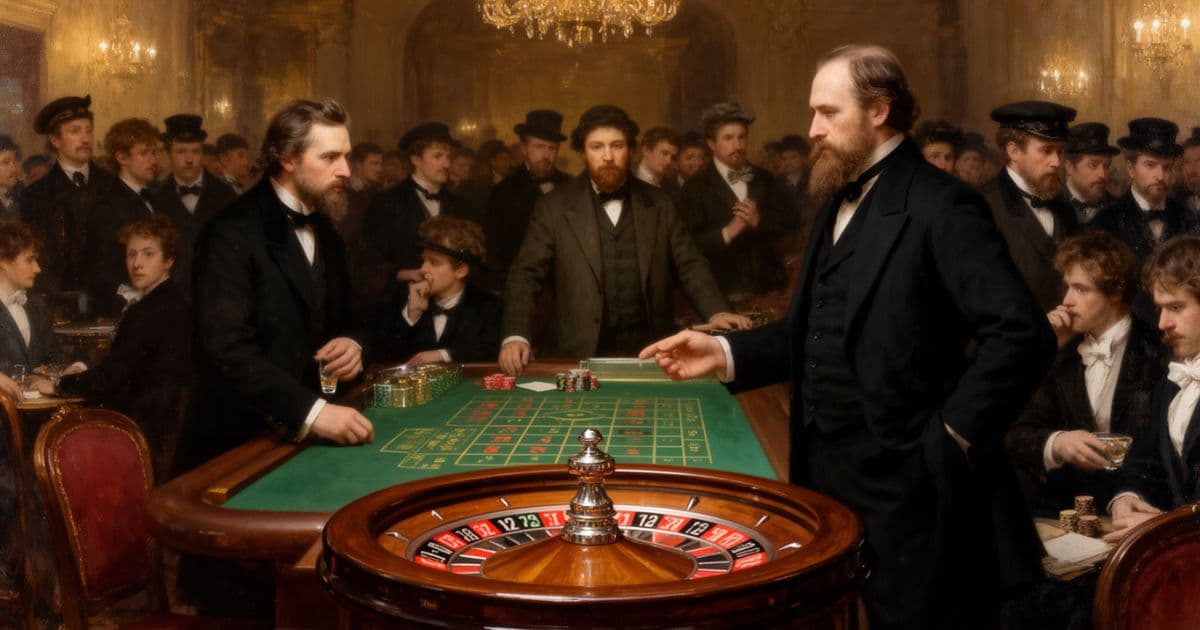
One old win can hypnotize you into believing the next try will reverse every loss. After Astley's gift the narrator remembers turning his last coin into a win and vows tomorrow will fix everything at the tables. List recent outcomes honestly before you treat a memory as a guarantee about the future.

Share it with friends

PreviousPrevious Chapter
Original text
4,263 wordscomplete

Chapter 17

The Final Gamble

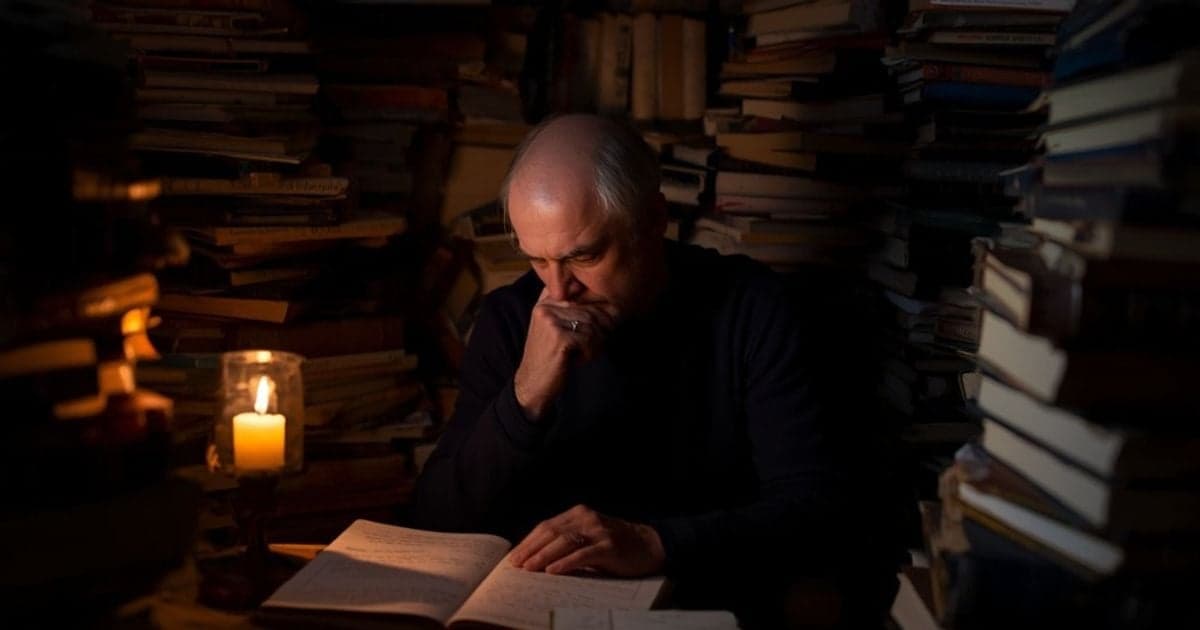
It is a year and eight months since I last looked at these notes of mine. I do so now only because, being overwhelmed with depression, I wish to distract my mind by reading them through at random. I left them off at the point where I was just going to Homburg. My God, with what a light heart (comparatively speaking) did I write the concluding lines!—though it may be not so much with a light heart, as with a measure of self-confidence and unquenchable hope. At that time had I any doubts of myself? Yet behold me now. Scarcely…

Public-domain chapter text, formatted for reading.

Master this chapter. Complete your experience

Purchase the complete book to access all chapters and support classic literature

Buy at Powell'sBuy on Amazon

Available in paperback, hardcover, and e-book formats

Now let's explore the literary elements.

Key Quotes & Analysis

"I have ruined myself—that is all."

— Narrator

Context: Opening reflection on his state a year and eight months after the Paris episode

He rejects moral lectures because he already knows the verdict; pride in self-knowledge replaces repentance.

In Today's Words:

He says he has ruined himself and nothing more, refusing sermons because he already owns the verdict. That voice is common in addiction: total clarity about the wreck paired with zero belief that change is still allowed, which can sound like honesty while functioning as permission to stay destroyed.

"She _did_ love you"

— Mr. Astley

Context: Telling the narrator the truth about Polina now that he is utterly lost

Astley waits until rock bottom to say love was real, making the loss irreversible rather than hypothetical.

In Today's Words:

Astley finally says she loved him, but only once the narrator is beyond saving. Learning love was real after you destroyed the chance is a special cruelty: the information arrives as epitaph, not invitation, and that timing is what makes the revelation cut deeper than ignorance ever could.

"_Take care_ of them!"

— Mr. Astley

Context: Pressing ten louis d'or on the narrator as they part

He gives money while predicting it will fund the same habit, treating care as a test the narrator will probably fail.

In Today's Words:

He repeats take care of them while handing over gold he knows may last an hour at the tables. Real friendship here looks like aid without illusion: Astley helps because the narrator is still a gentleman, not because he believes the gift will be kept safe from the compulsion it is meant to feed.

"No; tomorrow all shall be ended!"

— Narrator

Context: Final line planning another gambling session despite Astley's warning

He converts Astley's gift and Polina's love into fuel for the same cycle, calling one more try a fresh ending.

In Today's Words:

He vows tomorrow will end everything, meaning he will gamble again and call it resolution. That is the addict's clock: forever tomorrow, forever one more stake, forever the memory of a single lucky coin turned into proof that the wheel owes him a resurrection he cannot earn any other way.

Thematic Threads

Addiction

In This Chapter

The narrator chooses gambling over redemption, proving addiction's complete victory over reason

Development

Evolved from early gambling scenes to complete psychological domination

In Your Life:

You might see this in any behavior you can't stop despite mounting consequences.

Lost Love

In This Chapter

Astley reveals Polina loved the narrator but it's too late—he destroyed their chance

Development

Final revelation of what was truly at stake throughout the story

In Your Life:

You might recognize relationships you damaged while chasing something else entirely.

Class Destruction

In This Chapter

The narrator has fallen from tutor to servant to debtor, losing all social standing

Development

Complete reversal from his original position of precarious respectability

In Your Life:

You might see how one obsession can systematically destroy everything you've built.

False Hope

In This Chapter

The narrator believes he can win everything back and prove himself to Polina

Development

Culmination of his pattern of using gambling to solve gambling-created problems

In Your Life:

You might catch yourself believing the same behavior that created problems will somehow solve them.

Selective Memory

In This Chapter

He remembers past wins while forgetting devastating losses, creating false confidence

Development

Shows how addiction distorts perception and decision-making

In Your Life:

You might notice yourself remembering only the good parts of bad situations or relationships.

You now have the context. Time to form your own thoughts.

Discussion Questions

This is not a test. Five prompts guide you through the chapter, from how it opens to how it closes, so you notice context and rhythm rather than facts to memorize. Sit with each question in your own words. When you see "One way to read it," treat it as a starting point, not the only answer.

  1. 1

    What jobs has the narrator held since leaving Paris?

    ▶One way to read it

    He was a secretary then lackey to Heintze, went to prison for debt, and returned to small-stakes gambling at Homburg.

    analysis • surface
  2. 2

    What news does Astley give about Polina?

    ▶One way to read it

    She was ill, inherited seven thousand pounds, travels with Astley's sister, and loved the narrator then and still does.

    analysis • medium
  3. 3

    Why does Astley give only ten louis d'or?

    ▶One way to read it

    He believes a larger sum would be gambled immediately; the small gift is mercy without feeding the compulsion fully.

    application • medium
  4. 4

    How does the narrator interpret Astley's visit at the end?

    ▶One way to read it

    He treats Polina's concern as reason to win and prove himself, converting care into fuel for the same destructive plan.

    application • deep
  5. 5

    When have you mistaken one past success for a promise about the future?

    ▶One way to read it

    Strong answers name investments, relationships, or habits where a single win blinded them to a longer losing pattern.

    reflection • deep

Critical Thinking Exercise

10 minutes

Reality Audit: Track Your Selective Memory

Think of an area where you keep trying the same approach despite repeated disappointment—dating, career moves, investments, or family dynamics. Write down ALL the outcomes from your last five attempts, not just the good ones. Then identify what story you've been telling yourself about why 'this time will be different.'

Consider:

  • •Notice which memories you naturally want to focus on versus the ones you want to forget
  • •Ask yourself: Am I remembering accurately, or am I editing my history?
  • •Consider whether you're treating past luck as a guarantee of future success

Journaling Prompt

Write about a time when you kept pursuing something because you remembered it working once, even though it failed multiple times. What would have happened if you'd faced the full pattern instead of cherry-picking the good memory?

Previous
The Gambler's Last Dance
Contents
Keep exploring

Continue Exploring

Study guides, teaching tools, themes, and the full library.More ways to read The Gambler: study guides, teaching tools, and the wider library.

  • The Gambler Study Guide
  • Teaching Resources
  • Essential Life Index
  • Browse by Theme
  • All Books

What this chapter teaches

Theme analyses that draw on this chapter and apply it to modern life.

  • What Happens AfterThe final chapters of The Gambler: Paris, ruin, debtor

You Might Also Like

The Idiot cover

The Idiot

Fyodor Dostoevsky

Also by Fyodor Dostoevsky

The Brothers Karamazov cover

The Brothers Karamazov

Fyodor Dostoevsky

Also by Fyodor Dostoevsky

Crime and Punishment cover

Crime and Punishment

Fyodor Dostoevsky

Also by Fyodor Dostoevsky

Far from the Madding Crowd cover

Far from the Madding Crowd

Thomas Hardy

Explores society & class

Browse all 106+ books

Share This Chapter

Know someone who'd enjoy this? Spread the wisdom!

TwitterFacebookLinkedInEmail

Go further with Prestige

Unlock study guides and downloads, early access, and exclusive content — and support free access for everyone.

Subscribe to PrestigeCreate free account
Intelligence Amplifier
Intelligence Amplifier™Powering Wide Reads

Exploring human-AI collaboration through books, essays, and philosophical dialogues. Classic literature transformed into navigational maps for modern life.

2025 Books

→ The Amplified Human Spirit→ The Alarming Rise of Stupidity Amplified→ San Francisco: The AI Capital of the World
Visit intelligenceamplifier.org
hello@widereads.com

WideReads Originals

→ You Are Not Lost→ The Last Chapter First→ The Lit of Love→ Wealth and Poverty→ Wisdom for the Wounded
Arvintech
arvintechAmplify your Mind
Visit at arvintech.com

Navigate

  • Home
  • Library
  • Essential Life Index
  • How It Works
  • Subscribe
  • Account
  • About
  • Contact
  • Authors
  • Suggest a Book
  • Landings

Made For You

  • Trending
  • Students
  • Educators
  • Families
  • Readers
  • Literary Analysis
  • Finding Purpose
  • Letting Go
  • Recovering from a Breakup
  • Corruption
  • Gaslighting in the Classics

Newsletter

Weekly insights from the classics. Amplify Your Mind.

Legal

  • Privacy Policy
  • Terms of Service
  • Editorial Standards
  • Cookie Policy
  • Accessibility

Why Public Domain?

We focus on public domain classics because these timeless works belong to everyone. No paywalls, no restrictions—just wisdom that has stood the test of centuries, freely accessible to all readers.

Public domain books have shaped humanity's understanding of love, justice, ambition, and the human condition. By amplifying these works, we help preserve and share literature that truly belongs to the world.

A Pilgrimage

Powell's City of Books

Portland, Oregon

If you ever find yourself in Portland, walk to the corner of Burnside and 10th. The building takes up an entire city block. Inside is over a million books, new and used on the same shelf, organized by color-coded rooms with names like the Rose Room and the Pearl Room. You can lose an afternoon. You can lose a weekend. You will find a book you have been looking for your whole life, and three you did not know existed.

It is a pilgrimage. We cannot find a bookstore like it anywhere on earth. If you read the classics, and you ever get the chance, go. It belongs on every reader's bucket list.

Visit powells.com

We are not in any way affiliated with Powell's. We are just a very big fan.

© 2026 Wide Reads™. All Rights Reserved.

Intelligence Amplifier™ and Wide Reads™ are proprietary trademarks of Arvin Lioanag.

Copyright Protection: All original content, analyses, discussion questions, pedagogical frameworks, and methodology are protected by U.S. and international copyright law. Unauthorized reproduction, distribution, web scraping, or use for AI training is strictly prohibited. See our Copyright Notice for details.

Disclaimer: The information provided on this website is for general informational and educational purposes only and does not constitute professional, legal, financial, or technical advice. While we strive to ensure accuracy and relevance, we make no warranties regarding completeness, reliability, or suitability. Any reliance on such information is at your own risk. We are not liable for any losses or damages arising from use of this site. By using this site, you agree to these terms.