Chapter 46
Desperate Schemes and Cruel Games
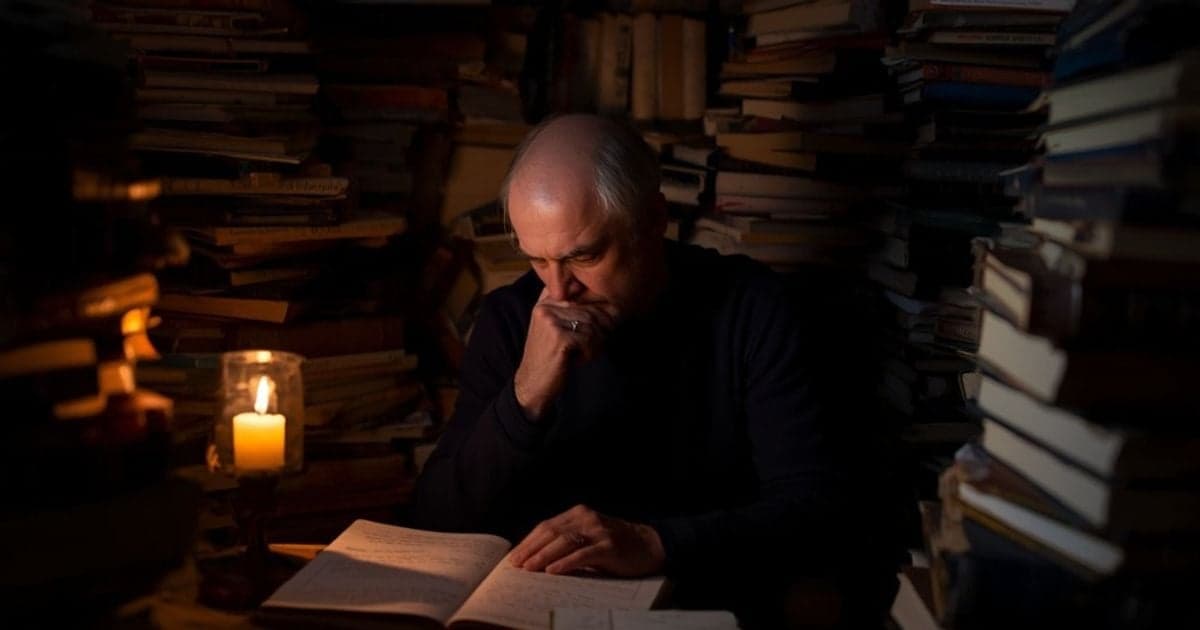
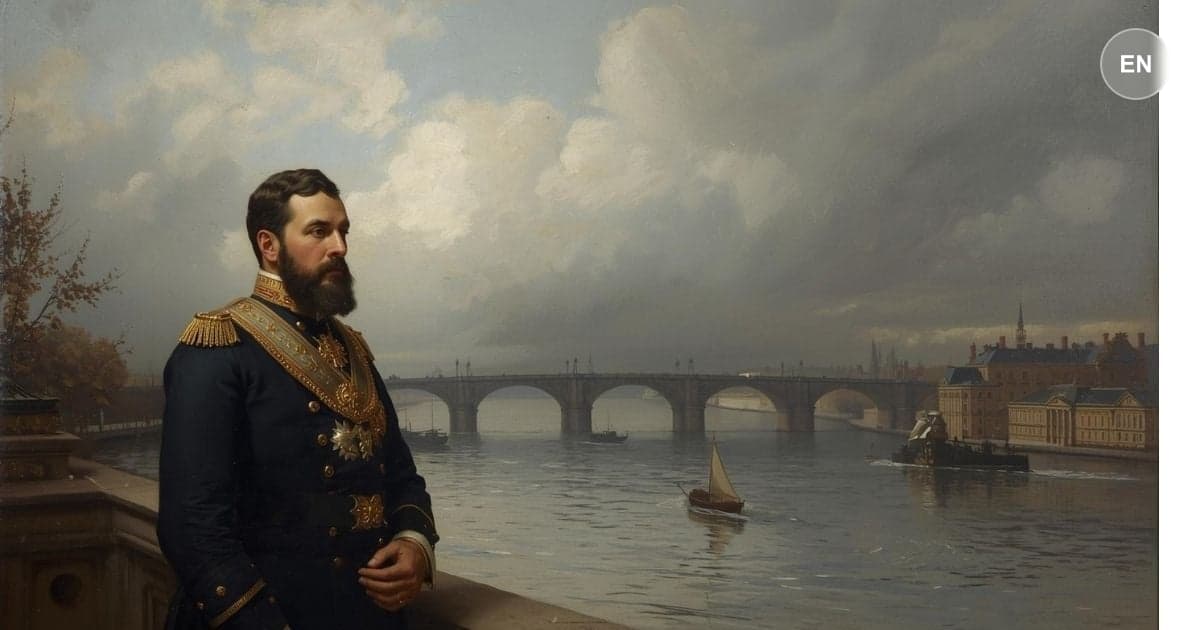
Kuzma Samsonov But Dmitri, to whom Grushenka, flying away to a new life, had left her last greetings, bidding him remember the hour of her love for ever, knew nothing of what had happened to her, and was at that moment in a condition of feverish agitation and activity. For the last two days he had been in such an inconceivable state of mind that he might easily have fallen ill with brain fever, as he said himself afterwards. Alyosha had not been able to find him the morning before, and Ivan had not succeeded in meeting him at the…
Public-domain chapter text, formatted for reading.
Master this chapter. Complete your experience
Purchase the complete book to access all chapters and support classic literature
Available in paperback, hardcover, and e-book formats
Now let's explore the literary elements.
Key Quotes & Analysis
"struggling with his destiny and trying to save himself,"
Context: How Mitya described his two days before the catastrophe
Mitya frames practical panic as fate and salvation drama, which keeps him running instead of thinking. The phrase shows how self-mythology feeds bad decisions.
"Excuse me, we don’t undertake such business."
Context: Rejecting Dmitri's proposal in the drawing-room
The cold sentence ends Mitya's fantasy of instant rescue. Samsonov keeps control while Mitya's legs weaken, the first clear sign the visit is not partnership but sport.
In Today's Words:
The old merchant shuts the door on the deal in one flat line, and Mitya's knees go weak. That is the moment to notice you are not negotiating; you are being sized up by someone who has nothing to lose by sending you away empty.
"It all lies in your hands—the fate of three lives, and the happiness of two."
Context: His frantic pitch to Samsonov about Grushenka and his father
Mitya escalates a business plea into a three-life tragedy to sway pity. The rhetoric reveals how desperation dresses itself in honor and fate to hide need.
In Today's Words:
He begs the merchant to choose between him and the monster, as if three futures hang on one signature. Desperate people often inflate stakes to make a loan feel like heroism, which makes listeners either cruel or careless. Samsonov hears tragedy where a lawyer would hear nonsense, and that mismatch is the opening for the joke.
"he had made a fool of the “captain.”"
Context: After Mitya leaves, revealing Samsonov's true motive
The chapter's sting: Mitya's ecstasy is the joke. Samsonov's amusement and rage show how power can punish without lifting a finger.
In Today's Words:
After Mitya runs off grateful, the book admits the merchant set him up for laughs. When someone powerful offers a too-perfect next step while you are drowning, check whether you are being helped or watched for entertainment. Lyagavy at Ilyinskoe is not a rescue; it is the punchline Samsonov keeps to himself.
Thematic Threads
Pride
In This Chapter
Dmitri's pride prevents him from accepting Grushenka's money or being honest about his situation, forcing him into increasingly desperate schemes
Development
Evolved from earlier family conflicts into a self-destructive force that blinds him to manipulation
In Your Life:
You might recognize this when you refuse help that could solve your problems because accepting it feels like admitting failure.
Class
In This Chapter
Samsonov's wealth gives him the power to toy with Dmitri for entertainment, showing how class differences create vulnerability
Development
Building on earlier themes of economic inequality, now showing how the powerful exploit the desperate
In Your Life:
You see this when dealing with landlords, bosses, or institutions that hold power over your basic needs.
Deception
In This Chapter
Samsonov deliberately misleads Dmitri, sending him on a fool's errand while pretending to help
Development
Introduced here as calculated cruelty rather than the self-deception seen in earlier chapters
In Your Life:
You encounter this when someone in power offers 'help' that actually serves their interests or entertainment.
Desperation
In This Chapter
Dmitri's urgent need for money clouds his judgment and makes him vulnerable to Samsonov's manipulation
Development
Escalated from earlier financial pressures into blind panic that overrides common sense
In Your Life:
You feel this when facing deadlines or crises that make any solution seem better than your current situation.
Power
In This Chapter
Samsonov uses his position to manipulate Dmitri for sport, demonstrating how power can corrupt into casual cruelty
Development
Building on family power dynamics, now showing how societal power structures enable abuse
In Your Life:
You experience this when dealing with people who have authority over your job, housing, or healthcare decisions.
You now have the context. Time to form your own thoughts.
Discussion Questions
This is not a test. Five prompts guide you through the chapter, from how it opens to how it closes, so you notice context and rhythm rather than facts to memorize. Sit with each question in your own words. When you see "One way to read it," treat it as a starting point, not the only answer.
- 1
Why does Dmitri need three thousand roubles before he can start a new life with Grushenka?
analysis • surfaceOne way to read it
He owes Katerina Ivanovna for stolen funds and refuses Grushenka's money out of pride. Without cash he cannot repay honor or carry her away if she says yes. Three thousand is the gate between disgrace and the virtuous new life he imagines with her.
- 2
Why does Mitya go to Kuzma Samsonov, and what does he offer him?
analysis • mediumOne way to read it
Samsonov is Grushenka's old protector and a rich merchant Mitya hopes will smell desperation and still help. Mitya pitches legal claims on Tchermashnya for three thousand down. He offers paperwork and future profit because he has nothing else to sell but hope.
- 3
What does Samsonov say when he rejects the business, and what does he suggest instead?
application • mediumOne way to read it
Samsonov listens like a statue, refuses the business, then points Mitya to Lyagavy the timber dealer at Ilyinskoe. The suggestion sounds like rescue. Mitya leaves trembling with joy, sure his guardian angel has spoken.
- 4
How does the narrator describe Samsonov's real motive after Mitya leaves?
application • deepOne way to read it
The narrator reveals Samsonov sent him on a fool's errand out of spite and amusement, then raged and called for a doctor. Desperation smells, and the rich can smell it. Samsonov enjoys sport with a proud man in panic, not partnership.
- 5
When have you or someone you know chased a quick fix that later looked like a setup?
reflection • deepOne way to read it
Mitya's joy at Lyagavy's name mirrors how panic accepts the first door opened by someone who gains from your absence or failure. Quick fixes from powerful people who do not need to help often serve their amusement, revenge, or indifference while you lose time.
Critical Thinking Exercise
Spot the Red Flags
Reread Samsonov's response to Dmitri's proposal. List every warning sign that this man is not genuinely trying to help. Then think of a time when you or someone you know was desperate for a solution. What red flags might have been missed in that situation?
Consider:
- •Notice how Samsonov's tone and body language contrast with his words
- •Consider why someone with real power would send a desperate person on a wild goose chase
- •Think about how desperation affects our ability to spot inconsistencies in what people tell us
Journaling Prompt
Write about a time when you made a decision while under pressure. What would you do differently now, knowing what you know about how stress affects judgment?
Coming Up Next...
Chapter 47: The Drunk Peasant's Trap
Dmitri races off to find the mysterious Lyagavy, convinced his salvation lies with this peasant timber merchant. But will this wild goose chase lead to the money he desperately needs, or deeper into the web of deception Samsonov has spun?