Master this chapter. Complete your experience
Purchase the complete book to access all chapters and support classic literature
As an Amazon Associate, we earn a small commission from qualifying purchases at no additional cost to you.
Available in paperback, hardcover, and e-book formats
Why This Matters
Connect literature to life
This chapter teaches how to identify when avoiding conflict enables harm to continue.
Practice This Today
This week, notice when you feel inexplicably guilty about a decision that seems logical—your emotions might be warning you about complicity you haven't consciously recognized.
Now let's explore the literary elements.
Key Quotes & Analysis
"I am going upstairs to my room, not in to you. Good-by!"
Context: Ivan rudely dismisses his father when entering the house, showing his barely controlled hostility
This abrupt rejection reveals Ivan's internal turmoil and growing disgust with his family situation. His need to explicitly state he won't visit shows how their relationship has deteriorated to the point where basic courtesy feels impossible.
In Today's Words:
Don't even think about trying to talk to me right now - I'm done with your drama
"Angry about something. Who can tell?"
Context: Smerdyakov's evasive response when Fyodor asks about Ivan's hostile behavior
Smerdyakov's deliberate vagueness shows his skill at appearing ignorant while actually knowing exactly what's happening. He protects himself by never giving direct answers, maintaining plausible deniability.
In Today's Words:
How should I know? People get upset about stuff all the time
"I am a scoundrel"
Context: Ivan whispers this to himself on the train to Moscow, though he doesn't understand why
This self-condemnation reveals Ivan's unconscious awareness of his moral complicity. He feels guilty before he fully understands what he's guilty of, showing how our conscience can recognize wrongdoing before our rational mind does.
In Today's Words:
I'm a terrible person and I don't even know why yet
Thematic Threads
Moral Responsibility
In This Chapter
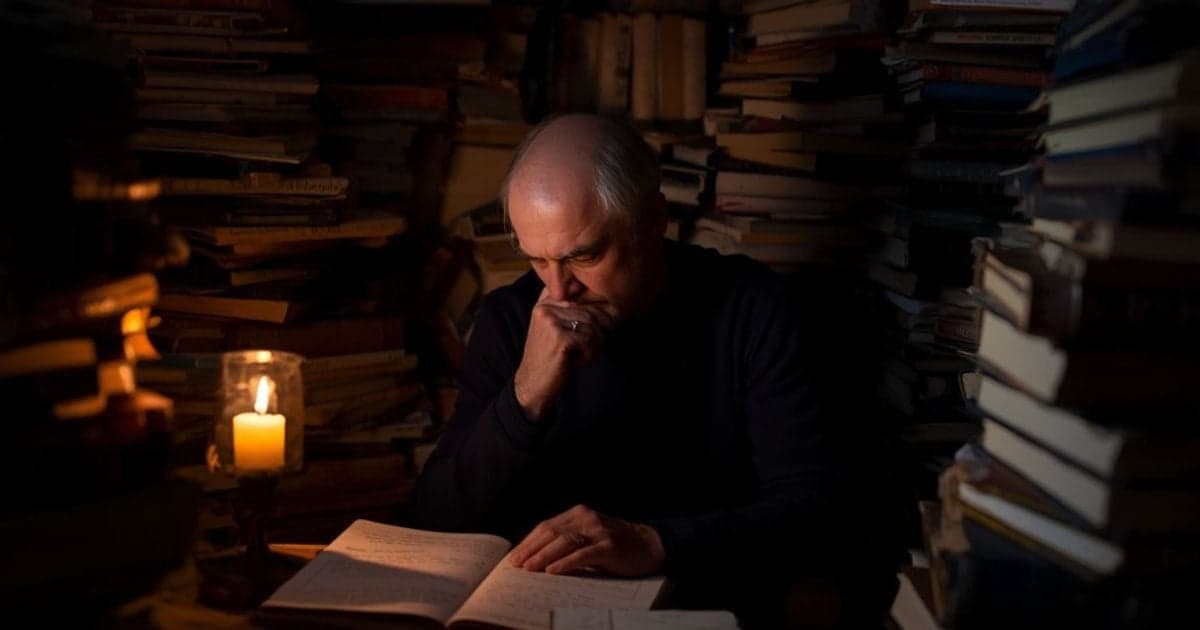
Ivan feels guilty for leaving without understanding why—his conscience recognizes complicity before his mind does
Development
Evolved from earlier chapters where Ivan intellectually debated responsibility to now feeling it viscerally
In Your Life:
You might feel inexplicably bad about avoiding a difficult conversation that could prevent someone's harm
Family Dysfunction
In This Chapter
The entire household operates in chaos—Fyodor vulnerable, Smerdyakov epileptic, Ivan fleeing
Development
The dysfunction has reached crisis point where everyone is isolated and vulnerable
In Your Life:
You might recognize how family chaos makes everyone scatter instead of coming together for protection
Self-Deception
In This Chapter
Ivan creates elaborate justifications for his departure while knowing something is fundamentally wrong
Development
Built from Ivan's earlier intellectual pride to now show how smart people fool themselves
In Your Life:
You might catch yourself creating complex reasons for choices your gut tells you are wrong
Psychological Torment
In This Chapter
Ivan experiences violent urges and shameful impulses he can't explain or control
Development
New manifestation showing how moral conflict creates internal violence
In Your Life:
You might notice how unresolved guilt creates intrusive thoughts and emotional chaos
Abandonment
In This Chapter
Ivan's departure leaves Fyodor completely alone and vulnerable to whatever comes
Development
Continuation of the family pattern where everyone abandons rather than protects each other
In Your Life:
You might recognize times when your self-protection left someone else exposed to harm
You now have the context. Time to form your own thoughts.
Discussion Questions
- 1
Why does Ivan feel like a 'scoundrel' even though he hasn't done anything obviously wrong?
analysis • surface - 2
What does Ivan's back-and-forth about the Tchermashnya trip reveal about his internal conflict?
analysis • medium - 3
When have you seen someone feel guilty about walking away from a difficult situation, even when leaving seemed reasonable?
application • medium - 4
How do you distinguish between healthy boundaries and abandoning responsibility when family dynamics get toxic?
application • deep - 5
What does Ivan's story teach us about the difference between feeling guilty and being guilty?
reflection • deep
Critical Thinking Exercise
Map Your Departure Decisions
Think of three times you left a difficult situation - a job, relationship, family conflict, or friendship. For each departure, write down: what you told yourself at the time, what you felt guilty about (if anything), and what happened after you left. Look for patterns in when departure felt like escape versus genuine progress.
Consider:
- •Notice whether you felt relief or unease after leaving
- •Consider what or whom you might have left vulnerable
- •Examine whether the problems you left behind got worse without your presence
Journaling Prompt
Write about a time when you knew walking away was the easy choice but staying might have been the right choice. What would you do differently now, and why?
Coming Up Next...
Chapter 39: Father Zossima's Final Teaching
The narrative shifts to introduce Father Zossima, the revered elder whose wisdom has shaped Alyosha's spiritual development. As Ivan flees toward Moscow, we enter the monastery world that represents everything his rational mind rejects—but perhaps everything his tormented soul needs.