Chapter 16
Pride, Power, and the Path Forward
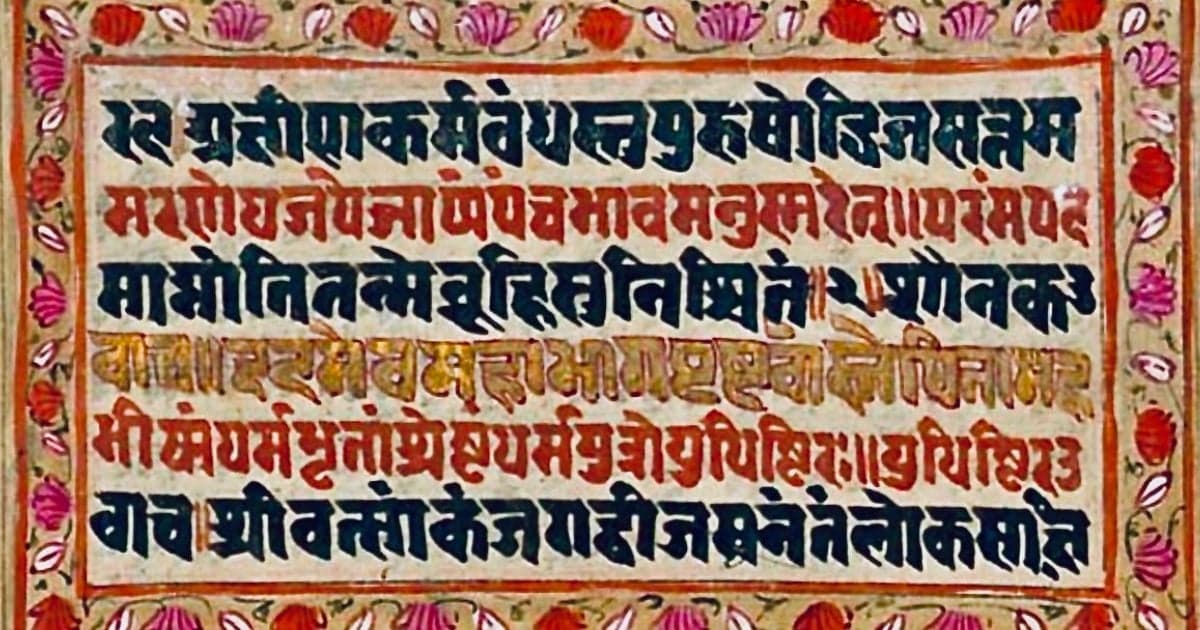
The preparations of the heart in man, and the answer of the tongue, is from the LORD. All the ways of a man are clean in his own eyes; but the LORD weigheth the spirits. Commit thy works unto the LORD, and thy thoughts shall be established. The LORD hath made all things for himself: yea, even the wicked for the day of evil. Every one that is proud in heart is an abomination to the LORD: though hand join in hand, he shall not be unpunished. By mercy and truth iniquity is purged: and by the fear of the…
Public-domain chapter text, formatted for reading.
Master this chapter. Complete your experience
Purchase the complete book to access all chapters and support classic literature
Available in paperback, hardcover, and e-book formats
Now let's explore the literary elements.
Key Quotes & Analysis
"Pride goeth before destruction, and an haughty spirit before a fall."
Context: Warning about arrogance before collapse
Overconfidence hides weaknesses until failure feels sudden.
In Today's Words:
Solomon warns that pride precedes destruction and a haughty spirit precedes a fall. Overconfidence blinds you to weaknesses that others can already see clearly. Before your next big decision, ask what evidence would prove you wrong instead of only gathering proof you are right today.
"A man's heart deviseth his way: but the LORD directeth his steps."
Context: Human planning under larger providence
Plans are real but not fully self-determined.
In Today's Words:
Solomon says a person plans a route in the heart, yet the steps themselves are directed beyond solo control. You are responsible for choices while outcomes still exceed your spreadsheet. Hold plans lightly enough to revise when reality contradicts the story you preferred yesterday morning.
"Better is a little with righteousness than great revenues without right."
Context: Comparing modest integrity to corrupt wealth
Moral cost can outweigh financial scale.
In Today's Words:
Solomon prefers a small honest income to large revenues gained without righteousness. Money that requires lying, exploitation, or constant compromise eventually taxes sleep and reputation. When tempted by a bigger check, price the hidden costs before you sign anything you cannot defend publicly. Notice the same pattern this week before you commit to a choice
"He that is slow to anger is better than the mighty; and he that ruleth his spirit than he that taketh a city."
Context: Ranking self-control above military triumph
Inner discipline exceeds outward dominance.
In Today's Words:
Solomon ranks slow anger above raw might and self-rule above capturing a city. People who master impulses outlast people who only master other people. Practice pausing before you speak in heat; that habit protects relationships conquest alone cannot keep. Notice the same pattern this week before you commit to a choice that will be hard
Thematic Threads
Pride
In This Chapter
Solomon shows how pride creates blind spots that lead to destruction, contrasting it with the safety of humility
Development
Building on earlier warnings about arrogance, now focusing specifically on how success breeds dangerous overconfidence
In Your Life:
You might notice this when you stop asking for help or feedback after a period of success at work or home
Power
In This Chapter
Explores how to navigate relationships with authority figures and the responsibility that comes with influence
Development
Continues examining power dynamics, now emphasizing how to maintain wisdom when you gain authority
In Your Life:
You see this when dealing with supervisors whose moods affect your day, or when you gain influence over others
Self-Control
In This Chapter
Presents self-control as greater strength than physical might or military conquest
Development
Builds on earlier themes about controlling anger and impulses, now elevating it as ultimate power
In Your Life:
This appears when you have to restrain yourself from saying what you really think during a heated moment
Words
In This Chapter
Compares pleasant speech to honey that heals both speaker and listener, while warning about those who stir up conflict
Development
Continues exploring the power of speech, now focusing on its healing versus destructive potential
In Your Life:
You experience this when choosing whether to respond with kindness or sarcasm during a difficult conversation
Wisdom
In This Chapter
Declares wisdom and understanding more valuable than money, emphasizing their practical benefits
Development
Reinforces the central theme that wisdom trumps wealth, now with specific examples of how it works
In Your Life:
This shows up when you have to choose between a quick financial gain and a decision that builds long-term understanding
You now have the context. Time to form your own thoughts.
Discussion Questions
This is not a test. Five prompts guide you through the chapter, from how it opens to how it closes, so you notice context and rhythm rather than facts to memorize. Sit with each question in your own words. When you see "One way to read it," treat it as a starting point, not the only answer.
- 1
What tension does Solomon set up between human planning and divine direction in this chapter?
analysis • surfaceOne way to read it
A man's heart devises his way, but the LORD directs his steps; human agency is real yet not final.
- 2
Why does Solomon pair pride with destruction and haughtiness with a fall?
analysis • mediumOne way to read it
Pride blinds people to weaknesses and feedback, making collapse feel sudden though it was building.
- 3
How do whisperers and violent enticers function as social hazards in these couplets?
application • mediumOne way to read it
They separate friends and lead neighbors into bad paths by normalizing harm through repetition.
- 4
What does it mean that ruling your spirit is better than taking a city?
application • deepOne way to read it
Internal self-control outlasts external victories that leave the conqueror unchanged inside.
- 5
Where have you mistaken feeling right for being right, and what would an outside witness say?
reflection • deepOne way to read it
Name one dispute where humility or a second opinion would have changed your tone or decision.
Critical Thinking Exercise
Map Your Success Blind Spots
Think of an area where you've been successful lately—at work, parenting, managing money, or maintaining relationships. List three specific ways this success might be creating blind spots or overconfidence. Then identify one early warning sign that would tell you when pride is starting to cloud your judgment.
Consider:
- •Success often makes us stop asking for feedback or advice
- •We tend to take bigger risks when previous smaller risks worked out
- •Confidence can make us dismiss warnings or concerns from others
Journaling Prompt
Write about a time when your own success led you to make a mistake you could have avoided. What would you do differently now, knowing what Solomon teaches about pride and humility?
Coming Up Next...
Chapter 17: Peace, Loyalty, and Wisdom's True Cost
Next, Solomon weighs peace against luxury: a dry crust with quiet beats a feast house torn by strife, and friendship tested in adversity proves more valuable than gold refined in a furnace Chapter 17 contains twenty-eight couplets and opens immediately with one of the book's clearest statements about the relationship between material conditions and domestic peace: better is a dry morsel with quietness than.