Chapter 10
Social power often goes to whoever refuses the script the room expects
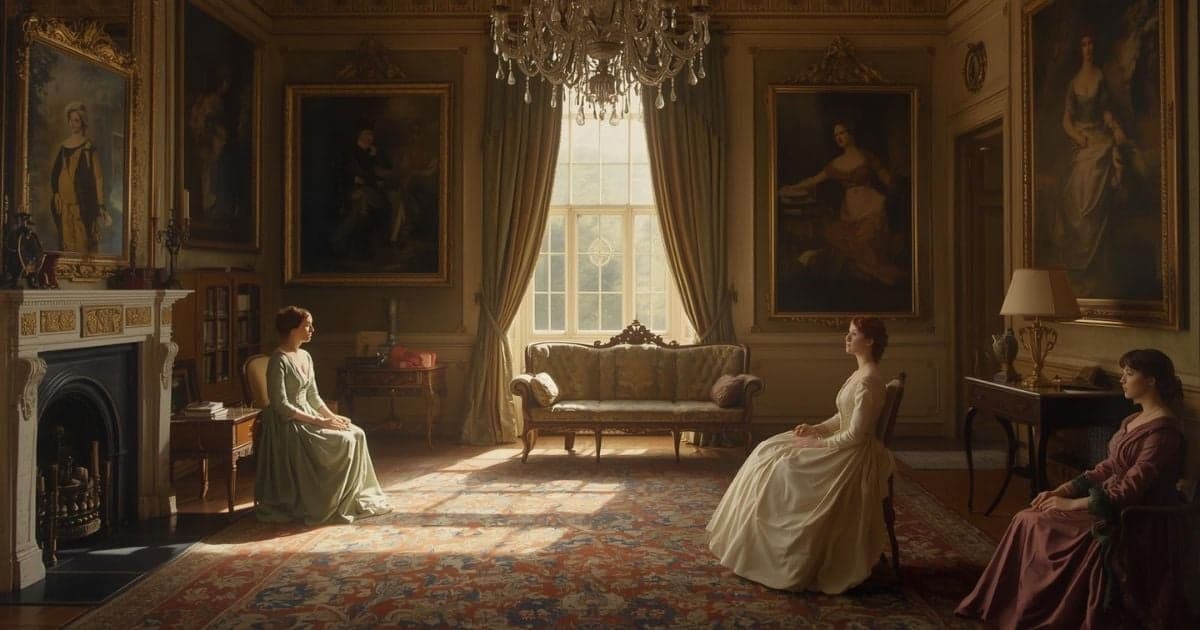
[Illustration] The day passed much as the day before had done. Mrs. Hurst and Miss Bingley had spent some hours of the morning with the invalid, who continued, though slowly, to mend; and, in the evening, Elizabeth joined their party in the drawing-room. The loo table, however, did not appear. Mr. Darcy was writing, and Miss Bingley, seated near him, was watching the progress of his letter, and repeatedly calling off his attention by messages to his sister. Mr. Hurst and Mr. Bingley were at piquet, and Mrs. Hurst was observing their game. Elizabeth took up some needlework, and was…
Public-domain chapter text, formatted for reading.
Master this chapter. Complete your experience
Purchase the complete book to access all chapters and support classic literature
Available in paperback, hardcover, and e-book formats
Now let's explore the literary elements.
Key Quotes & Analysis
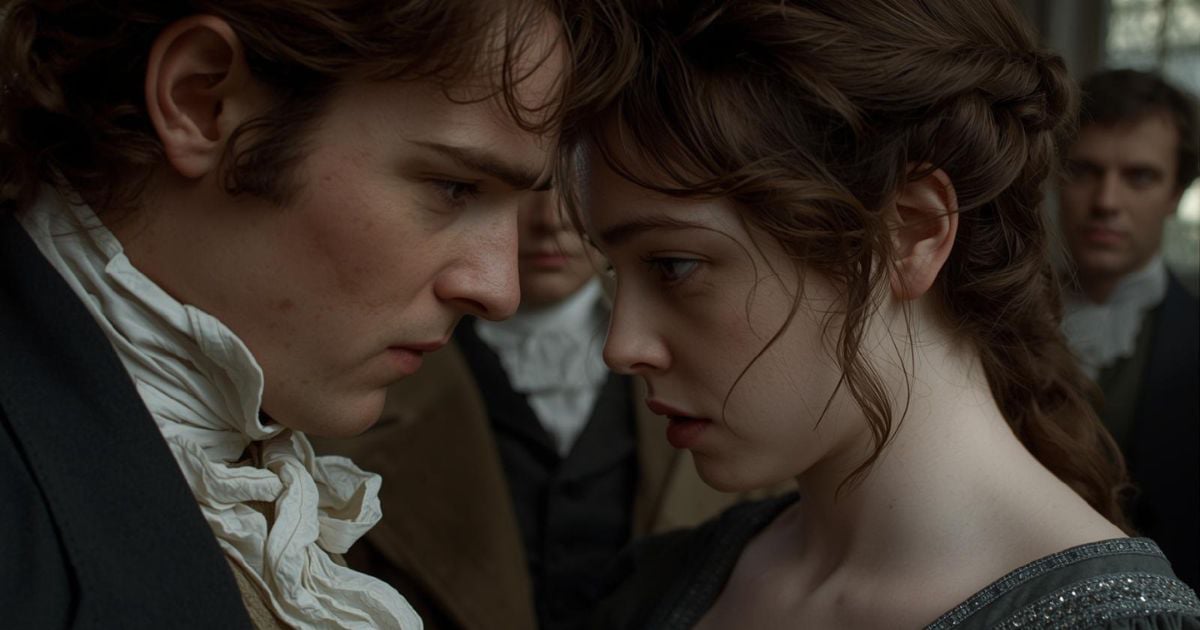
"ir premeditated contempt. I have, therefore, made up my mind to tell you that I do not want to dance a reel at all; and now despise me if you dare"
Context: Replying to Darcy's invitation to dance
She names Darcy's trap and refuses to supply the easy Yes he wanted.
In Today's Words:
Elizabeth basically says she's not interested in playing along with obvious social games. It's like declining a networking event when you know someone's just trying to use you for connections. She's calling out the performative nature of the interaction and refusing to give him the easy win he expected from asking.
"Indeed I do not dare."
Context: Answer to Elizabeth's challenge
Pride bends to attraction; the narrator confirms he is bewitched.
In Today's Words:
Darcy admits he can't dismiss her anymore, even though she just shut him down. It's that moment when someone's confidence and refusal to play games actually makes them more attractive. His pride is taking a backseat to genuine interest, which probably surprises him as much as anyone watching their dynamic unfold.
"No, no; stay where you are. You are charmingly grouped, and appear to uncommon advantage"
Context: Declining to join the trio on a narrow walk
Turns rudeness into comedy and exits on her own terms.
In Today's Words:
Elizabeth smoothly declines to squeeze into an awkward group situation by complimenting how perfect they look without her. It's the diplomatic equivalent of saying 'you guys look great, I'll pass' when friends are taking a group selfie you don't want to be in. She exits gracefully while subtly highlighting the exclusivity.
"You dislike an argument, and want to silence this"
Context: From the second half of the chapter
This line anchors the chapter's closing movement and shows how social pressure and private feeling collide in the scene.
In Today's Words:
In today's language, the passage says: You dislike an argument, and want to silence this. Readers still recognize the same dynamic when pride, strategy, or family pressure turns a private moment into public consequence. The pattern still shows up in offices, families, and neighborhoods today, where the same pressure narrows what people can see before
Thematic Threads
Debate and disposition
In This Chapter
Elizabeth and Darcy argue yielding and Bingley's character
Development
Intellectual compatibility
In Your Life:
When have you disagreed about what counts as a good reason to change your mind?
Attraction versus pride
In This Chapter
Darcy bewitched but citing inferior connections
Development
Central barrier before proposal
In Your Life:
When have you been drawn to someone you judged unsuitable on paper?
Jealous maneuvering
In This Chapter
Caroline's desk flattery and walk rudeness
Development
Escalates at Netherfield
In Your Life:
Where have you seen faux intimacy used to stake a claim?
Refusing the script
In This Chapter
Elizabeth won't dance the reel or join the avenue
Development
Agency versus Jane's compliance
In Your Life:
When has refusing the expected answer been your strongest move?
Recovery and exit
In This Chapter
Jane mending; Elizabeth hopes to leave
Development
Closes illness arc
In Your Life:
When did a visit wind down—and who wanted you gone first?
You now have the context. Time to form your own thoughts.
Discussion Questions
This is not a test. Five prompts guide you through the chapter, from how it opens to how it closes, so you notice context and rhythm rather than facts to memorize. Sit with each question in your own words. When you see "One way to read it," treat it as a starting point, not the only answer.
- 1
How does Miss Bingley behave while Mr. Darcy writes his letter, and how does he respond to her praise?
analysis • surfaceOne way to read it
She watches his pen, compliments his handwriting and letter length, offers to mend his pen, and sends messages to his sister. He answers briefly or not at all, defers her raptures for lack of room, and mends his own pens.
- 2
What do Elizabeth and Mr. Darcy argue about regarding whether yielding easily to a friend's persuasion is a merit?
analysis • mediumOne way to read it
Elizabeth says affection often makes one yield without waiting for arguments. Darcy replies that yielding without conviction compliments neither understanding, and that one should weigh the request's importance and the intimacy between the parties first.
- 3
When have you refused to give someone the reaction they seemed to want, because you suspected they were setting a trap for your judgment?
application • mediumOne way to read it
Think of declining to argue on someone's terms, refusing a baited compliment, or staying silent when you knew any easy answer would let them dismiss you afterward.
- 4
Mr. Darcy asks Elizabeth to dance a reel, and she refuses to say yes just to give him pleasure in despising her taste. What shifts when he answers that he does not dare despise her?
application • deepOne way to read it
She expected to affront him and instead meets gallantry. The moment overturns the old assembly dynamic: he is no longer the man who dismissed her but someone genuinely disarmed by her wit, which the narrator says leaves him more bewitched than ever.
- 5
On the shrubbery walk Miss Bingley takes Mr. Darcy's arm and leaves Elizabeth alone on the path. What does Elizabeth's reply, tell them to stay charmingly grouped, reveal about her social confidence?
reflection • deepOne way to read it
She refuses to compete for his arm or plead for inclusion. By mocking the tableau and walking off laughing, she turns their rudeness into comedy and keeps her dignity, showing she can leave the game without needing Darcy's rescue.
Critical Thinking Exercise
Trap or Truth
Describe a time someone invited you into a situation where your 'yes' or 'no' would have let them judge you—and how you responded. Or recall being excluded in a trio and what you did instead of fighting for position.
Consider:
- •Did you name what was happening, as Elizabeth names the reel trap?
- •Was someone's flattery (like Caroline at the desk) obviously self-serving?
- •Did a witty exit work better than direct confrontation?
Coming Up Next...
Chapter 11: Chapter XI
Jane comes downstairs at last, and a morning in the drawing room with books, needles, and Darcy's steady gaze will turn Netherfield into a classroom of manners, reading, and rivalry. Elizabeth ran dominates the opening movement..