On the Shortness of Life

Lucius Annaeus Seneca
0:000:00
0:00 / 0:00

Prestige · $2.99/month
Chapter audio, theme analysis, and downloads
Lucius Annaeus Seneca
0:00 / 0:00
From the Chronicles · 2 installments
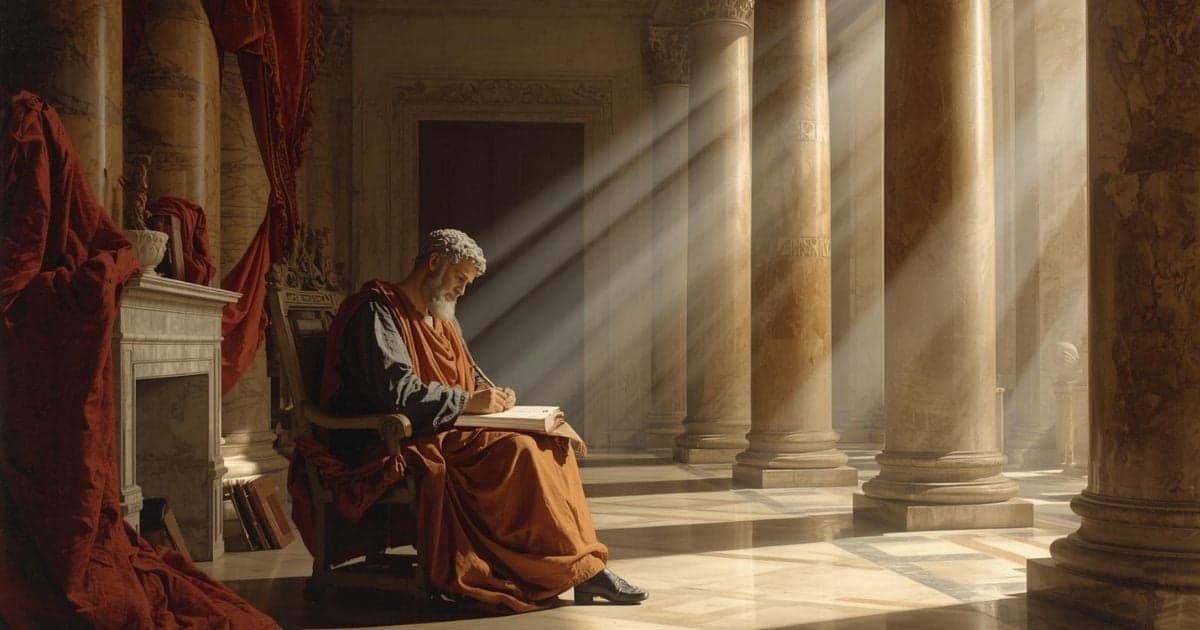
The greater part of mankind complains that Nature gave us too few years. Seneca answers that the years were enough; we spent them. He addresses Pompeius Paulinus, who oversees Rome's grain supply around 49 AD. Nature is not the thief. The office, the clients, and the hours handed to anyone who asks have already done the work. The busiest servant of the empire may be the man who has lived least.
Paulinus is competent, exhausted, and so useful that the city would feel his absence before he has felt his own life. The busy man looks respectable: markets, clients, a calendar that never empties. The postponers include Augustus himself, who wrote about wanting rest and never took it. Drusus never took a holiday from childhood, trapped by reforms that became a prison. The luxury collectors treat leisure as another job, the catalogers of useless knowledge stay busy without getting wiser, and the philosophers are always home because wisdom travels with them. The only opponent who never leaves the page is time you have already given away.
Section I flips the complaint: life is long enough if you stop wasting it, and a fortune disappears in bad hands the way years disappear in careless ones. Section III is the life audit. You act like mortals in all that you fear and like immortals in all that you desire, then Seneca asks how many people already own pieces of your day. Section VIII says no one returns an hour, and that we guard money while we give time to anyone who asks. Section X divides time into past, present, and future, and says only the past is securely yours. Section XIV claims the philosophers annex every age through books. Section XVIII tells Paulinus to leave the corn market for self-knowledge. Section XX warns against dying in harness for one year of a name.
Seneca never treats busyness as a cute modern problem, or retirement as a prize you can cash later, or philosophy as decoration for a man who has already spent himself. He is still in public life when he writes. He knows what an office costs. What remains is not a productivity manual. It is a picture of the only possession you cannot restore once you have handed it over, and of the difference between being occupied and being alive.
The first pressure is Section I: we do not receive a short life, we make one, and a fortune disappears in bad hands the way years disappear in careless ones. Owning Your Time is that waste thesis, the life audit in Section III, the hours given away in Section VIII, and Section X saying only the past is securely yours. Distinguishing Busy from Alive is the respectable calendar: markets, clients, luxury that is another job, and a man who looks purposeful while no one is home. Living Now Instead of Postponing is Augustus writing about rest he never takes, and a career that lives only in tomorrow until the present is gone. Facing Mortality with Clarity arrives when you act like mortals in all that you fear and like immortals in all that you desire, then watch people beg doctors to save a life they spent as if it cost nothing. Choosing What Deserves Your Days is Paulinus at the grain supply, Drusus without a holiday, and the man who throws away every year for one year named consul. Intellectual Leisure Over Distraction is Section XIV: busy idleness and useless catalogues are not rest, and the philosophers who are always home annex every age through books.
No one returns an hour. We lock the strongbox and hand the day to the first person who asks for a piece of it. Section XVIII tells Paulinus to leave the corn market for self-knowledge. Section XX warns against dying in harness for one year of a name. Wide Reads keeps summaries, quotes, and audio on all twenty sections, from the opening waste thesis to a man still wearing the yoke for a title that will not outlive him.
Seneca opens his famous essay by addressing a complaint we all recognize: life feels too short. Ever...
Seneca cuts straight to the heart of why we feel like life is too short: we're not actually living i...
Seneca delivers a wake-up call that hits like cold water. He asks us to imagine confronting an elder...
Seneca uses Emperor Augustus as his prime example of how even the most powerful people long for simp...
Seneca uses the great Roman orator Cicero as a cautionary tale about how success can become its own ...
Published 49
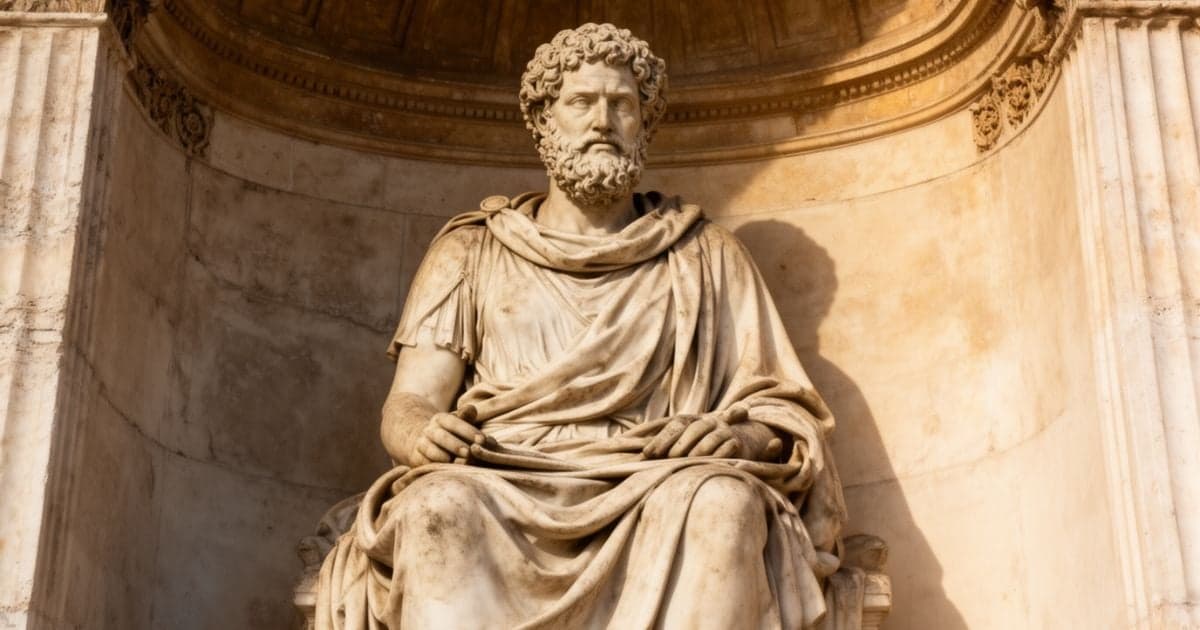
Lucius Annaeus Seneca (c. 4 BC to 65 AD) was born in Corduba in Spain and educated in Rome. He became a Stoic philosopher, a dramatist, and, for a time, one of the most powerful men in the empire: tutor and later advisor to Nero. The life was never smooth. He was exiled to Corsica for eight years on politically motivated charges, recalled to the court, accumulated vast wealth while writing about its irrelevance, and was forced to open his veins in 65 AD when Nero accused him of conspiracy.
On the Shortness of Life belongs to his most direct moral writing. Around 49 AD he sent it as a letter to Pompeius Paulinus, who held one of Rome's most stressful offices, the grain supply that kept the city fed. Seneca was still inside public duty when he wrote. He did not write as someone who had solved time. He wrote as someone still negotiating with it.
His gift was making a moral argument feel like an account you could lose. He had watched capable men spend themselves on offices, honours, and other people's emergencies, then wake up with nothing left that was theirs. The essay still finds readers who recognize the calendar that looks full and the life that never quite arrives.
Seneca speaks to the moment when the calendar looks full and no one is home: the competent person who guards a bank balance and hands away an evening without a thought, the retirement dreamed about but never taken, the deathbed regret that arrives only once the count of remaining days has already reached zero. His answer is not a productivity system. It is an audit of who already owns your hours.
Plot, characters, and themes — plus audio, source text, and patterns you can use after class
Two ways in
Chapter by chapter, with audio. The meaning arrives because you experienced it — not because someone listed bullet points.
Start with this.
The actual words the author wrote, alongside every summary. Use the guide, then step into the source.
Then step into the source.
Either way, the door opens inward.
— and most of all, Why does this matter?
Purchase the complete book to access all chapters and support classic literature
Available in paperback, hardcover, and e-book formats
Free to read • No account required

Weekly insights from the classics. Amplify Your Mind.
We focus on public domain classics because these timeless works belong to everyone. No paywalls, no restrictions—just wisdom that has stood the test of centuries, freely accessible to all readers.
Public domain books have shaped humanity's understanding of love, justice, ambition, and the human condition. By amplifying these works, we help preserve and share literature that truly belongs to the world.
© 2026 Wide Reads™. All Rights Reserved.
Intelligence Amplifier™ and Wide Reads™ are proprietary trademarks of Arvin Lioanag.
Copyright Protection: All original content, analyses, discussion questions, pedagogical frameworks, and methodology are protected by U.S. and international copyright law. Unauthorized reproduction, distribution, web scraping, or use for AI training is strictly prohibited. See our Copyright Notice for details.
Disclaimer: The information provided on this website is for general informational and educational purposes only and does not constitute professional, legal, financial, or technical advice. While we strive to ensure accuracy and relevance, we make no warranties regarding completeness, reliability, or suitability. Any reliance on such information is at your own risk. We are not liable for any losses or damages arising from use of this site. By using this site, you agree to these terms.
Deep dives
Follow Augustus dreaming of rest he never takes, then the career that lives only in tomorrow.
You will find that the most powerful and highly-placed men let fall phrases in which they long for leisure, praise it, and…
Hear mortals in fear and immortals in desire, then the man dragged from a life he never valued while he had it.
We do not have a very short time assigned to us, but we lose a great deal of it
Stand with Paulinus at the grain supply, and with Drusus who never took a holiday, and name what the office is actually costing.
men covetously guard their property from waste, but when it comes to waste of time, they are most prodigal of that of…
Leave busy idleness and useless catalogues for the philosophers who are always home, and the intellectual family you can still choose.
Some men's leisure is busy: in their country house or on their couch, in complete solitude, even though they have retired from…
Trending search questions mapped to the six lessons in this essay—owning your time, busy versus alive, postponing rest, mortality, what deserves your days, and intellectual leisure over distraction—plus what readers actually ask Google about Seneca, Paulinus, and the life audit.
In Section I he refuses the complaint. We do not receive a short life; we make it short. We are not poor in days but wasteful of them. Life is long enough for the most important projects if arranged aright, but years run to waste through luxury and carelessness until, at the last, we feel it is all over without noticing how it glided away. Nature is not the thief. The calendar you handed away is.
Explore Owning Your TimeSeneca watches men guard money like misers while distributing their lives to creditors, clients, kings, and polite conversation. The businessman runs up and down the city on errands that leave no one home. The luxury collector treats leisure as another job. The respectable calendar looks full while the person inside it has lived least. Busy is occupation. Alive is when the hours still belong to you.
Explore Distinguishing Busy from AliveIn Section IV, Augustus prays for rest while everything still depends on him, then writes to the Senate about the leisure he will take someday while the reality stays far distant. He found pleasure in speaking about rest he could not take. Seneca uses him to expose the postponed life: you will start living at fifty or sixty while the day you give away may be your last.
Explore Living Now Instead of PostponingIn Section III, Seneca writes that you fear everything like a mortal and desire everything like an immortal. You postpone leisure while treating time as if it were abundant, forgetting that the day devoted to someone else may be your last. The line is not a comfort slogan. It is the fork between naming finitude and spending a life you do not have in reserve.
Explore Facing Mortality with ClarityPompeius Paulinus oversaw Rome's grain supply around 49 AD: competent, exhausted, and so useful that the city would feel his absence before he felt his own life. Seneca writes to him inside public duty, not from a finished retreat. Section XVIII later tells him to leave the corn market for self-knowledge. The essay asks what the office is costing a man who still looks indispensable.
Explore Choosing What Deserves Your DaysIn Section XIV he contrasts busy idleness with real intellectual leisure. Catalogers of useless knowledge stay occupied without growing wiser. Philosophers annex every age through books because wisdom travels with them. Seneca is not selling distraction as rest. He is naming the difference between motion that fills a day and study that still belongs to you when the clients go home.
Explore Intellectual Leisure Over DistractionWhat makes him indispensable is that he wrote this letter from inside the trap, not above it. Around 49 AD, years before the exile, the fortune, and the order from Nero to open his own veins, he addressed Pompeius Paulinus, a friend so useful at feeding Rome that the city would have felt his absence before Paulinus felt his own life. Seneca was not a retired sage handing down a solved problem. He was a busy man diagnosing the disease in a friend who had it as badly as he did.
The essay keeps getting mistaken for a time-management pamphlet, a call to make a list and guard it better. Seneca is after something harder: the difference between a life that is occupied and a life that is lived. Executives, new parents, and anyone who has ever bragged about being busy still find themselves named on the page, not flattered by it.