Chapter 14
The Philosophers Are Always Home
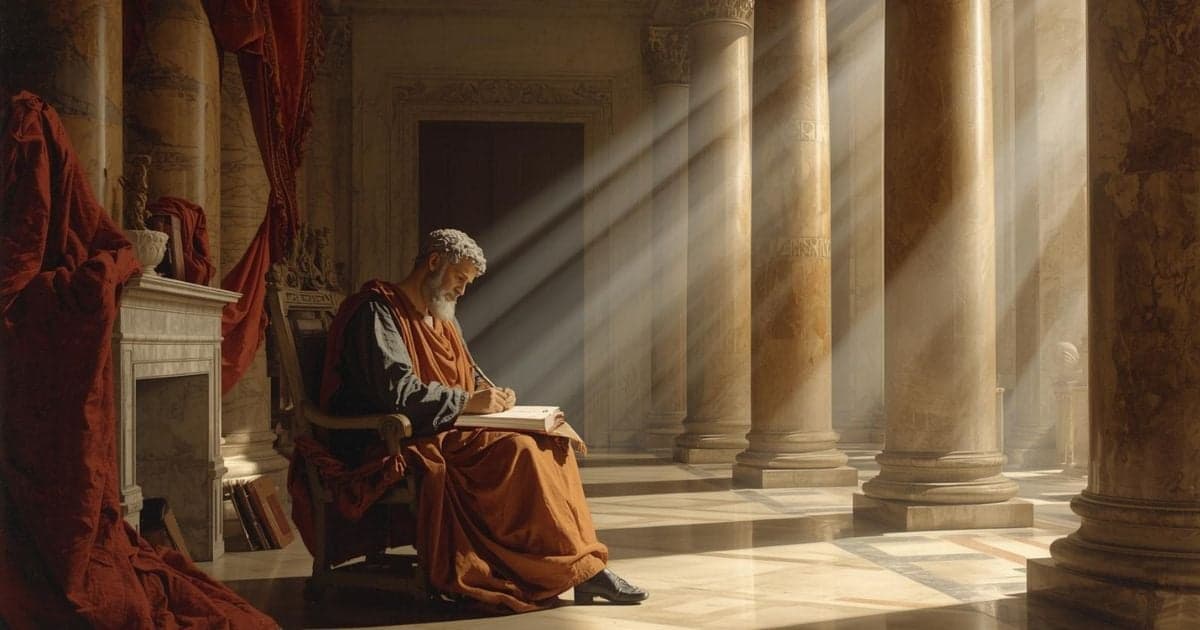
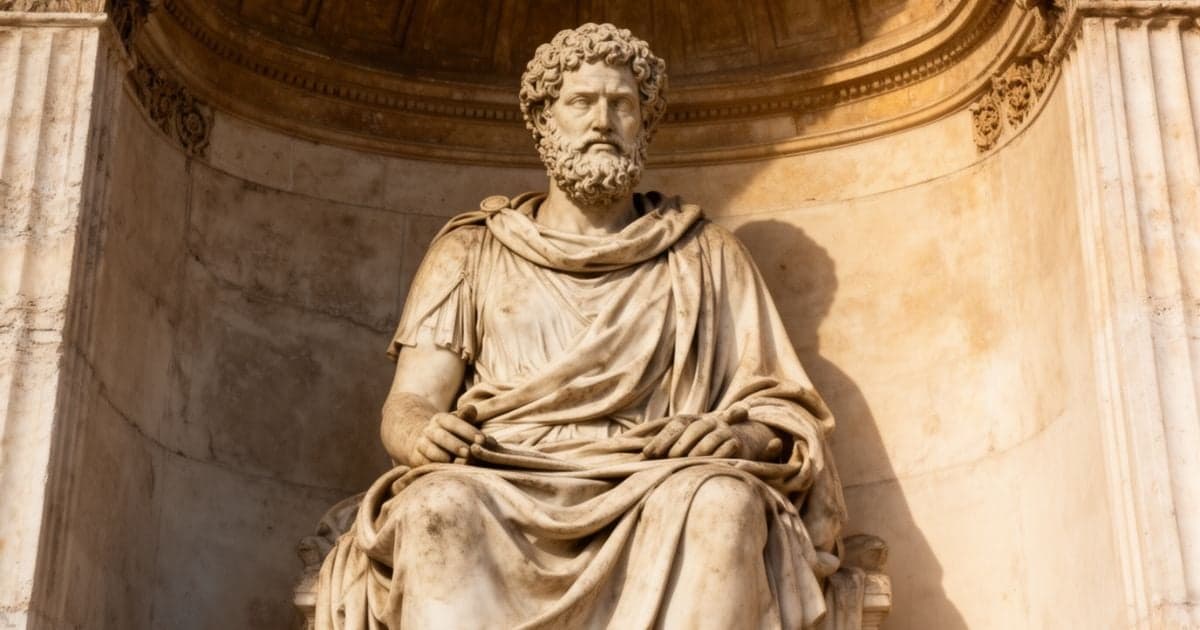
The only persons who are really at leisure are those who devote themselves to philosophy: and they alone really live: for they do not merely enjoy their own lifetime, but they annex every century to their own: all the years which have passed before them belong to them. Unless we are the most ungrateful creatures in the world, we shall regard these noblest of men, the founders of divine schools of thought, as having been born for us, and having prepared life for us: we are led by the labour of others to behold most beautiful things which have been…
Public-domain chapter text, formatted for reading.
Master this chapter. Complete your experience
Purchase the complete book to access all chapters and support classic literature
Available in paperback, hardcover, and e-book formats
Now let's explore the literary elements.
Key Quotes & Analysis
"The only persons who are really at leisure are those who devote themselves to philosophy: and they alone really live"
Context: Opening the chapter's argument about how to truly use time well
Seneca argues that most people aren't really living but just existing. True living requires engaging with big questions and timeless wisdom, not just going through daily motions.
In Today's Words:
When busyness has become your identity, Seneca argues that most people aren't really living but just existing. True living requires engaging with big questions and timeless wisdom, not just going through daily motions. Practical wisdom here means guarding hours like income. Ask who benefits when your hours stay unguarded.
"The only persons who are really at leisure are those who devote themselves to philosophy: and they alone really live: for they do not merely enjoy their own lifetime, but they annex every century to their own: all the years which have passed before them belong to them."
Context: From The Philosophers Are Always Home
In The Philosophers Are Always Home, Seneca uses this line to show how easily years vanish when we treat time as cheap: "The only persons who are really at leisure are those who devote themselves to..."
In Today's Words:
When your calendar is full but your life feels empty, In The Philosophers Are Always Home, Seneca uses this line to show how easily years vanish when we treat time as cheap: "The only persons who are really at leisure are those who devote themselves to...". The essay treats time as moral property, not a.
"Since Nature allows us to commune with every age, why do we not abstract ourselves from our own petty fleeting span of time, and give ourselves up with our whole mind to what is vast, what is eternal, what we share with better men than ourselves?"
Context: From The Philosophers Are Always Home
In The Philosophers Are Always Home, Seneca uses this line to show how easily years vanish when we treat time as cheap: "Since Nature allows us to commune with every age, why do we not abstract..."
In Today's Words:
If you keep handing hours to whoever asks loudest, In The Philosophers Are Always Home, Seneca uses this line to show how easily years vanish when we treat time as cheap: "Since Nature allows us to commune with every age, why do we not abstract...". Notice whether you are living or only preparing to live.
"how many will avoid coming out through their entrance-hall with its crowds of clients, and will escape by some concealed backdoor?"
Context: From The Philosophers Are Always Home
In The Philosophers Are Always Home, Seneca uses this line to show how easily years vanish when we treat time as cheap: "how many will avoid coming out through their entrance-hall with its crowds of clients,..."
In Today's Words:
When retirement feels like the only real life waiting ahead, In The Philosophers Are Always Home, Seneca uses this line to show how easily years vanish when we treat time as cheap: "how many will avoid coming out through their entrance-hall with its crowds of clients,...". Seneca keeps asking who actually owns your days.
Thematic Threads
Class
In This Chapter
Seneca contrasts the humiliation of social climbing with the dignity of intellectual equality
Development
Builds on earlier themes about class anxiety and social performance
In Your Life:
You might exhaust yourself trying to impress people who barely notice you while ignoring those who could actually help you grow.
Identity
In This Chapter
Reading philosophy connects you to an eternal conversation, expanding your sense of self beyond your current moment
Development
Expands the concept of identity beyond social status to intellectual belonging
In Your Life:
You can find your tribe among thinkers and writers who understand your struggles, even across centuries.
Social Expectations
In This Chapter
The chapter exposes how social climbing creates a cycle of rejection and humiliation
Development
Continues critique of pursuing external validation over internal development
In Your Life:
You might be following social scripts about who's 'important' instead of seeking genuine connection and wisdom.
Personal Growth
In This Chapter
Philosophy offers real guidance and companionship for living well, not just intellectual decoration
Development
Positions learning as practical life navigation rather than status symbol
In Your Life:
You can find mentors and guidance in books when real-life mentors are unavailable or inaccessible.
Human Relationships
In This Chapter
Books create intimate relationships with great minds who treat readers as equals
Development
Introduces the idea that meaningful relationships can transcend time and physical presence
In Your Life:
You might find deeper understanding from writers who've been dead for centuries than from people in your daily life.
You now have the context. Time to form your own thoughts.
Discussion Questions
This is not a test. Five prompts guide you through the chapter, from how it opens to how it closes, so you notice context and rhythm rather than facts to memorize. Sit with each question in your own words. When you see "One way to read it," treat it as a starting point, not the only answer.
- 1
What is Seneca's opening claim in "The Philosophers Are Always Home" about why life feels short?
analysis • surfaceOne way to read it
Seneca opens by arguing Seneca makes a powerful case for why reading philosophy is the ultimate use of..., reversing the common complaint about Nature's stinginess.
- 2
How do the examples in the middle of "The Philosophers Are Always Home" support The philosophers don't just give you their own lifetime...?
analysis • mediumOne way to read it
The section develops its case when The philosophers don't just give you their own lifetime of wisdom, they connect you..., showing how waste hides inside respectable routines.
- 3
Where do you see the accessibility paradox in modern work, caregiving, or social life?
application • mediumOne way to read it
One reading: the same pattern appears when availability replaces intention and years disappear to other people's agendas.
- 4
If you were advising Paulinus in the closing pressure of "The Philosophers Are Always Home", what would you tell him to stop doing?
application • deepOne way to read it
A practical response is to reclaim discretionary hours for what enlarges the soul before duty consumes the whole life.
- 5
What does "The Philosophers Are Always Home" suggest about treating time as moral property rather than a scheduling problem?
reflection • deepOne way to read it
It suggests that guarding time is an ethical act: who owns your days reveals what you actually value.
Critical Thinking Exercise
Map Your Access Patterns
List three areas where you need guidance or knowledge. For each area, identify: 1) The 'high-status' source you might chase (expensive course, busy expert, exclusive program), and 2) An accessible alternative that could provide real value (experienced coworker, library book, online tutorial). Compare the actual knowledge available versus the effort required to access it.
Consider:
- •Notice how artificial scarcity makes things seem more valuable
- •Consider who benefits when knowledge is made hard to access
- •Think about times accessible sources gave you better help than exclusive ones
Journaling Prompt
Write about a time when you got caught up chasing someone who was 'too busy' for you. What did that pursuit cost you, and what accessible wisdom did you miss while you were chasing status?
Coming Up Next...
Chapter 15: Choosing Your Intellectual Family
Seneca continues exploring the gifts that philosophical friendship offers, revealing how these ancient teachers can actually help you face life's biggest challenge, and why their guidance costs nothing but gives you everything.