Wide Reads
Literature MattersLife IndexEducators
Sign in
Where to Begin
On the Shortness of Life - The Life Audit That Changes Everything

Lucius Annaeus Seneca

On the Shortness of Life

The Life Audit That Changes Everything

Home›Books›On the Shortness of Life›Chapter 3
Previous
3 of 20
Next

Summary

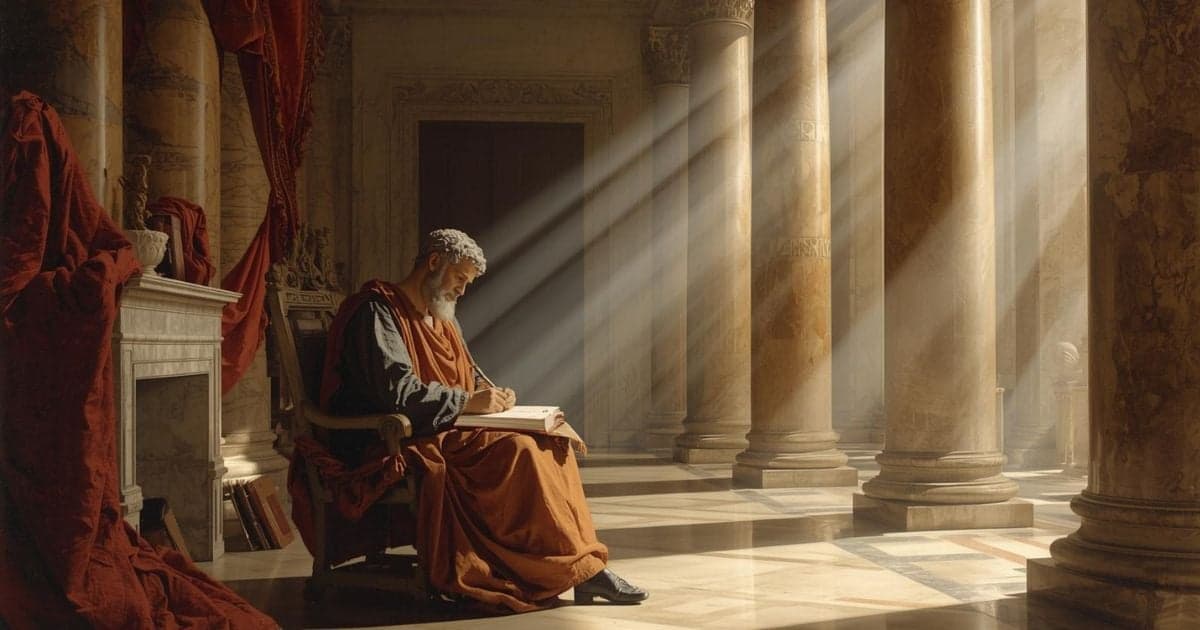
Seneca delivers a wake-up call that hits like cold water. He asks us to imagine confronting an elderly person on their deathbed and demanding they account for every hour of their hundred years. Where did the time actually go? How much was spent dealing with creditors, managing relationships, running errands, keeping up appearances? How much was lost to worry, empty pleasures, or mindless obligations? The brutal truth: most people would discover they barely lived at all. We guard our money fiercely - we'll fight over property lines and sue over small debts. But we hand over our time, our actual life, to anyone who asks. We let bosses, family members, and social expectations consume years of our existence without a second thought. Seneca exposes our fundamental delusion: we act like we're immortal when making plans, but mortal when facing fears. We tell ourselves we'll start really living at fifty, or sixty, or when we retire - forgetting that most people never reach those milestones, and even fewer reach them with energy intact. The chapter forces us to confront an uncomfortable question: if you had to account for every hour of your life so far, how much would you discover was truly yours? How much was spent on what actually mattered to you? This isn't about perfection - it's about awareness. Once you see how carelessly you've been spending your most valuable currency, you can't unsee it.

Coming Up in Chapter 4

Even the most powerful people in the world - including emperors who seem to have everything - secretly long for something they can't buy: freedom from the very success that consumes them. Seneca reveals why those at the top often feel most trapped.

Share it with friends

Previous ChapterNext Chapter
GO ADS FREE — JOIN US
Original text
complete·608 words
W

ere all the brightest intellects of all time to employ themselves on this one subject, they never could sufficiently express their wonder at this blindness of men’s minds: men will not allow any one to establish himself upon their estates, and upon the most trifling dispute about the measuring of boundaries, they betake themselves to stones and cudgels: yet they allow others to encroach upon their lives, nay, they themselves actually lead others in to take possession of them. You cannot find any one who wants to distribute his money; yet among how many people does every one distribute his life? men covetously guard their property from waste, but when it comes to waste of time, they are most prodigal of that of which it would become them to be sparing. Let us take one of the elders, and say to him, “We perceive that you have arrived at the extreme limits of human life: you are in your hundredth year, or even older. Come now, reckon up your whole life in black and white: tell us how much of your time has been spent upon your creditors, how much on your mistress, how much on your king, how much on your clients, how much in quarrelling with your wife, how much in keeping your slaves in order, how much in running up and down the city on business. Add to this the diseases which we bring upon us with our own hands, and the time which has laid idle without any use having been made of it; you will see that you have not lived as many years as you count. Look back in your memory and see how often you have been consistent in your projects, how many days passed as you intended them to do when you were at your own disposal, how often you did not change colour and your spirit did not quail, how much work you have done in so long a time, how many people have without your knowledge stolen parts of your life from you, how much you have lost, how large a part has been taken up by useless grief, foolish gladness, greedy desire, or polite conversation; how little of yourself is left to you: you will then perceive that you will die prematurely.” What, then, is the reason of this? It is that people live as though they would live for ever: you never remember your human frailty; you never notice how much of your time has already gone by: you spend it as though you had an abundant and overflowing store of it, though all the while that day which you devote to some man or to some thing is perhaps your last. You fear everything, like mortals as you are, and yet you desire everything as if you were immortals. You will hear many men say, “After my fiftieth year I will give myself up to leisure: my sixtieth shall be my last year of public office”: and what guarantee have you that your life will last any longer? who will let all this go on just as you have arranged it? are you not ashamed to reserve only the leavings of your life for yourself, and appoint for the enjoyment of your own right mind only that time which you cannot devote to any business? How late it is to begin life just when we have to be leaving it! What a foolish forgetfulness of our mortality, to put off wholesome counsels until our fiftieth or sixtieth year, and to choose that our lives shall begin at a point which few of us ever reach.

1 / 1

Master this chapter. Complete your experience

Purchase the complete book to access all chapters and support classic literature

Read Free on GutenbergBuy at Powell'sBuy on Amazon

As an Amazon Associate, we earn a small commission from qualifying purchases at no additional cost to you.

Available in paperback, hardcover, and e-book formats

GO ADS FREE — JOIN US

Why This Matters

Connect literature to life

Skill: Time Boundary Setting

This chapter teaches how to recognize when you're hemorrhaging your most valuable resource to serve other people's agendas.

Practice This Today

This week, notice when you automatically say yes to requests and ask 'If I charged for this time, would I still agree?'

GO ADS FREE — JOIN US

Now let's explore the literary elements.

Key Quotes & Analysis

"Men will not allow any one to establish himself upon their estates, and upon the most trifling dispute about the measuring of boundaries, they betake themselves to stones and cudgels: yet they allow others to encroach upon their lives."

— Seneca

Context: Opening argument about our backwards priorities

This reveals our fundamental confusion about what's valuable. We'll fight over property lines but hand over years of our life to anyone who asks. It shows how we protect the wrong things.

In Today's Words:

You'll call the cops if someone parks in your driveway, but you'll let your boss steal your evenings and weekends without complaint.

"You cannot find any one who wants to distribute his money; yet among how many people does every one distribute his life?"

— Seneca

Context: Comparing how we guard money versus time

This exposes the absurdity of our priorities. We're stingy with dollars but generous with hours, even though time is irreplaceable. It's about recognizing what's truly scarce.

In Today's Words:

Nobody gives away their paycheck, but everyone gives away their free time like it's unlimited.

"Men covetously guard their property from waste, but when it comes to waste of time, they are most prodigal of that of which it would become them to be sparing."

— Seneca

Context: Explaining our backwards relationship with resources

Seneca points out that we're careful with replaceable things but careless with irreplaceable things. This reversal of priorities is what keeps us from living meaningful lives.

In Today's Words:

You'll clip coupons to save five dollars but waste five hours scrolling social media without thinking twice.

Thematic Threads

Class

In This Chapter

Working-class people especially vulnerable to time exploitation—expected to be available, grateful, accommodating

Development

Introduced here

In Your Life:

You might find yourself always saying yes to extra shifts while your own goals stay on the back burner.

Social Expectations

In This Chapter

Society praises 'generosity with time' while teaching us to be stingy with money—backwards priorities

Development

Introduced here

In Your Life:

You might feel guilty for protecting your free time but comfortable negotiating a better price on purchases.

Identity

In This Chapter

We define ourselves by how busy we are rather than how intentional we are with our choices

Development

Introduced here

In Your Life:

You might catch yourself wearing exhaustion like a badge of honor instead of questioning why you're so drained.

Personal Growth

In This Chapter

Real growth requires protecting time for what matters most—but most people never create that space

Development

Introduced here

In Your Life:

You might keep saying you'll focus on your dreams 'when things slow down' while things never actually slow down.

You now have the context. Time to form your own thoughts.

Discussion Questions

  1. 1

    If someone demanded you account for every hour of your life so far, what would you discover about where your time actually went?

    analysis • surface
  2. 2

    Why do we guard our money fiercely but hand over our time to anyone who asks for it?

    analysis • medium
  3. 3

    Where do you see people around you living in 'time bankruptcy' - protecting dollars while hemorrhaging hours?

    application • medium
  4. 4

    What would change in your daily life if you started charging $50 an hour for your time and energy?

    application • deep
  5. 5

    What does our backwards relationship with time and money reveal about how we've been taught to value ourselves?

    reflection • deep

Critical Thinking Exercise

10 minutes

Time Audit Reality Check

Track where your time actually goes for one typical day, hour by hour. Then calculate: if you charged $25 per hour for your time, what would each activity have cost you? Look at your phone's screen time, time spent waiting, time given to others' requests, time on autopilot activities. Be brutally honest about what you discover.

Consider:

  • •Notice the difference between time you chose to spend versus time that just disappeared
  • •Pay attention to which activities energized you versus which ones drained you
  • •Consider how much of your prime hours (when you're most alert) went to your own priorities

Journaling Prompt

Write about the biggest surprise from your time audit. What pattern did you discover that you hadn't noticed before? If you could reclaim just two hours per day, what would you protect that time for?

Coming Up Next...

Chapter 4: Even Emperors Dream of Rest

Even the most powerful people in the world - including emperors who seem to have everything - secretly long for something they can't buy: freedom from the very success that consumes them. Seneca reveals why those at the top often feel most trapped.

Continue to Chapter 4
Previous
The Ways We Waste Our Lives
Contents
Next
Even Emperors Dream of Rest

Continue Exploring

On the Shortness of Life Study GuideTeaching ResourcesEssential Life IndexBrowse by ThemeAll Books

You Might Also Like

Proverbs cover

Proverbs

King Solomon (attributed)

Explores personal growth

The Enchiridion cover

The Enchiridion

Epictetus

Explores personal growth

Meditations cover

Meditations

Marcus Aurelius

Explores mortality & legacy

Nicomachean Ethics cover

Nicomachean Ethics

Aristotle

Explores personal growth

Browse all 47+ books

Share This Chapter

Know someone who'd enjoy this? Spread the wisdom!

TwitterFacebookLinkedInEmail

Read ad-free with Prestige

Get rid of ads, unlock study guides and downloads, and support free access for everyone.

Subscribe to PrestigeCreate free account
Intelligence Amplifier
Intelligence Amplifier™Powering Wide Reads

Exploring human-AI collaboration through books, essays, and philosophical dialogues. Classic literature transformed into navigational maps for modern life.

2025 Books

→ The Amplified Human Spirit→ The Alarming Rise of Stupidity Amplified→ San Francisco: The AI Capital of the World
Visit intelligenceamplifier.org
hello@widereads.com

WideReads Originals

→ You Are Not Lost→ The Last Chapter First→ The Lit of Love→ Wealth and Poverty→ 10 Paradoxes in the Classics · coming soon
Arvintech
arvintechAmplify your Mind
Visit at arvintech.com

Navigate

  • Home
  • Library
  • Essential Life Index
  • How It Works
  • Subscribe
  • Account
  • About
  • Contact
  • Authors
  • Suggest a Book
  • Landings

Made For You

  • Students
  • Educators
  • Families
  • Readers
  • Literary Analysis
  • Finding Purpose
  • Letting Go
  • Recovering from a Breakup
  • Corruption
  • Gaslighting in the Classics

Newsletter

Weekly insights from the classics. Amplify Your Mind.

Legal

  • Privacy Policy
  • Terms of Service
  • Cookie Policy
  • Accessibility

Why Public Domain?

We focus on public domain classics because these timeless works belong to everyone. No paywalls, no restrictions—just wisdom that has stood the test of centuries, freely accessible to all readers.

Public domain books have shaped humanity's understanding of love, justice, ambition, and the human condition. By amplifying these works, we help preserve and share literature that truly belongs to the world.

A Pilgrimage

Powell's City of Books

Portland, Oregon

If you ever find yourself in Portland, walk to the corner of Burnside and 10th. The building takes up an entire city block. Inside is over a million books, new and used on the same shelf, organized by color-coded rooms with names like the Rose Room and the Pearl Room. You can lose an afternoon. You can lose a weekend. You will find a book you have been looking for your whole life, and three you did not know existed.

It is a pilgrimage. We cannot find a bookstore like it anywhere on earth. If you read the classics, and you ever get the chance, go. It belongs on every reader's bucket list.

Visit powells.com

We are not in any way affiliated with Powell's. We are just a very big fan.

© 2026 Wide Reads™. All Rights Reserved.

Intelligence Amplifier™ and Wide Reads™ are proprietary trademarks of Arvin Lioanag.

Copyright Protection: All original content, analyses, discussion questions, pedagogical frameworks, and methodology are protected by U.S. and international copyright law. Unauthorized reproduction, distribution, web scraping, or use for AI training is strictly prohibited. See our Copyright Notice for details.

Disclaimer: The information provided on this website is for general informational and educational purposes only and does not constitute professional, legal, financial, or technical advice. While we strive to ensure accuracy and relevance, we make no warranties regarding completeness, reliability, or suitability. Any reliance on such information is at your own risk. We are not liable for any losses or damages arising from use of this site. By using this site, you agree to these terms.