Chapter 44
The Weight of Hidden Truths
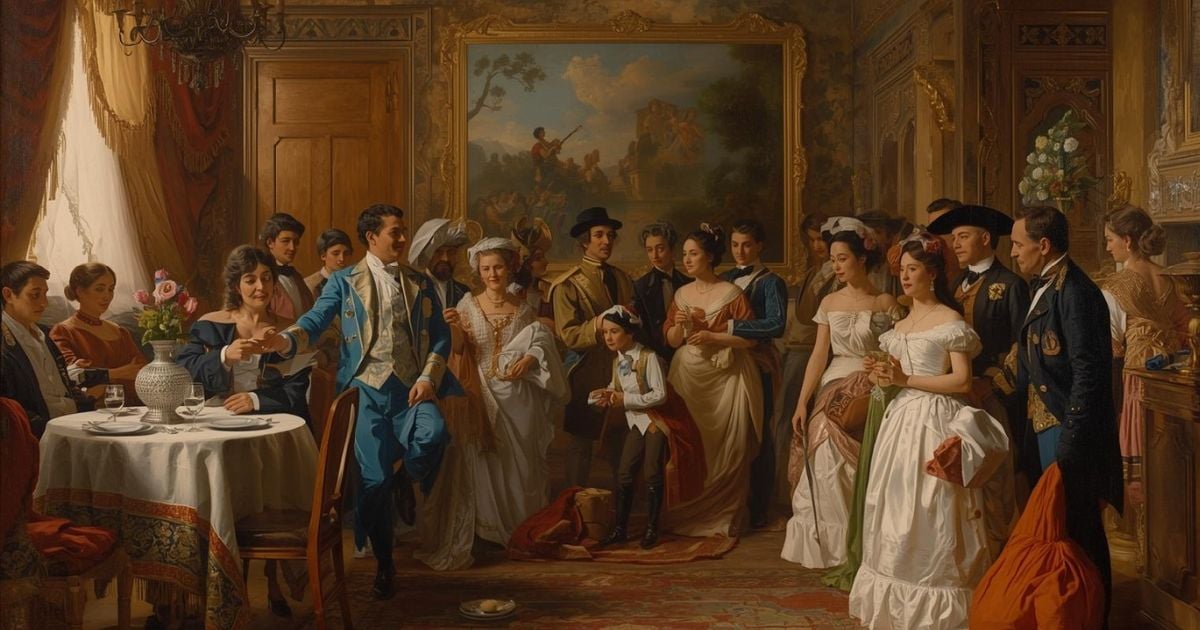
An Examination of Conscience Long days and weary nights passed at the sick girl's bed. After having confessed herself, Maria Clara had suffered a relapse, and in her delirium she uttered only the name of the mother whom she had never known. But her girl friends, her father, and her aunt kept watch at her side. Offerings and alms were sent to all the miraculous images, Capitan Tiago vowed a gold cane to the Virgin of Antipolo, and at length the fever began to subside slowly and regularly. Doctor De Espadaña was astonished at the virtues of the syrup of…
Public-domain chapter text, formatted for reading.
Master this chapter. Complete your experience
Purchase the complete book to access all chapters and support classic literature
Available in paperback, hardcover, and e-book formats
Now let's explore the literary elements.
Key Quotes & Analysis
"in her delirium she uttered only the name of the mother whom she had never known"
Context: During Maria Clara's fever
Illness strips masks to deepest lack. Unconscious speech names the mother love she was denied.
In Today's Words:
Rizal notes that feverish Maria Clara called only for the mother she never knew during delirium. The same pattern still appears when corrupt institutions punish honesty, reward flattery, and teach people to mistake cruelty for order or tradition. The same pattern still appears when corrupt institutions punish honesty, reward flattery, and teach people to mistake
"A clean conscience is worth more than a lot of medicine."
Context: At Capitan Tiago's lunch table
Spiritual authority claims credit for healing. Confession becomes prescription Salvi can administer.
In Today's Words:
Salvi tells the table that clear conscience outweighs medicine while pushing another confession. The same pattern still appears when corrupt institutions punish honesty, reward flattery, and teach people to mistake cruelty for order or tradition. The same pattern still appears when corrupt institutions punish honesty, reward flattery, and teach people to mistake cruelty for order
"Write to him not to think of me any more,"
Context: Whispering to Sinang
Breaking engagement through proxy. She surrenders love while pretending obedience to fathers and friars.
In Today's Words:
Maria Clara asks Sinang to tell Ibarra to forget her as aunt prepares another examination of conscience. The same pattern still appears when corrupt institutions punish honesty, reward flattery, and teach people to mistake cruelty for order or tradition. The same pattern still appears when corrupt institutions punish honesty, reward flattery, and teach people to
"who understands the girls nowadays?"
Context: After Salvi leaves confession troubled
Elders misread youthful sorrow as sin. Isabel senses mystery but cannot name Salvi's predatory gaze.
In Today's Words:
Aunt Isabel crosses herself and wonders who can understand young women after the curate's strange visit. The same pattern still appears when corrupt institutions punish honesty, reward flattery, and teach people to mistake cruelty for order or tradition. The same pattern still appears when corrupt institutions punish honesty, reward flattery, and teach people to mistake
Thematic Threads
Authority
In This Chapter
Padre Salvi uses religious authority to probe Maria Clara psychologically during confession, violating the sacred trust
Development
Previously shown through Padre Damaso's political control; now reveals how spiritual authority becomes predatory
In Your Life:
You might see this when doctors, therapists, or supervisors use their position to cross boundaries during your vulnerable moments
Trauma
In This Chapter
Maria Clara's physical illness is her body processing emotional trauma from recent events, creating confusion about her actual needs
Development
Building from earlier hints of her distress; now shows how trauma manifests physically and mentally
In Your Life:
You might recognize this when stress shows up as physical symptoms that doctors can't fully explain
Guilt
In This Chapter
Maria Clara breaks down at commandments about family loyalty and violence, revealing hidden guilt she can't articulate
Development
Introduced here as a new layer of her internal conflict
In Your Life:
You might feel this when family loyalty conflicts with your own moral compass or safety
Misreading
In This Chapter
Aunt Isabel notices Maria Clara's emotional patterns but misinterprets what they mean, missing the real source of distress
Development
Continues theme of adults failing to understand the younger generation's actual struggles
In Your Life:
You might experience this when well-meaning family members offer solutions that miss your real problem
Exploitation
In This Chapter
Padre Salvi emerges from confession looking like the guilty party, suggesting he used the sacred ritual for his own purposes
Development
Escalation from earlier power abuse; now shows direct predatory behavior
In Your Life:
You might encounter this when someone in a helping profession makes interactions feel wrong or self-serving
You now have the context. Time to form your own thoughts.
Discussion Questions
This is not a test. Five prompts guide you through the chapter, from how it opens to how it closes, so you notice context and rhythm rather than facts to memorize. Sit with each question in your own words. When you see "One way to read it," treat it as a starting point, not the only answer.
- 1
Why does Maria Clara call for the mother she never knew during fever?
analysis • surfaceOne way to read it
Illness removes defenses and names her deepest wound. She craves maternal love the household never gave.
- 2
Why does she weep when Aunt Isabel reads commandments about parents?
analysis • mediumOne way to read it
Hidden guilt about family loyalty and violence surfaces. She sins against the first commandments in ways Isabel cannot see.
- 3
How does Salvi's behavior during confession disturb the sacrament?
application • mediumOne way to read it
He stares into her eyes instead of listening, emerging troubled himself. Spiritual care becomes intrusive gaze.
- 4
What does Maria Clara mean by telling Ibarra to forget her?
application • deepOne way to read it
She surrenders under pressure from fathers and friars while still loving him. Breaking the engagement protects him and obeys power.
- 5
When have you seen authority figures push for disclosure when someone was too weak to refuse?
reflection • deepOne way to read it
Repeated questioning of sick patients, students, or employees mirrors Salvi's insistence on another confession.
Critical Thinking Exercise
Map Your Vulnerability Points
Think about times when you've been vulnerable - sick, stressed, grieving, or in crisis. List three situations where you needed help or support. For each situation, identify who had access to you and what power they held. Then note any red flags you might have ignored because you needed their help.
Consider:
- •Vulnerability doesn't make you weak - it makes you human and temporarily dependent
- •Authority figures often have legitimate reasons to be alone with you during vulnerable times
- •Trust your gut feelings even when you can't explain why someone feels 'off'
Journaling Prompt
Write about a time when someone used your vulnerable state to their advantage, or when you recognized someone trying to exploit your weakness. How did you handle it, and what would you do differently now?
Coming Up Next...
Chapter 45: The Hunted Leader's Choice
With Maria Clara's confession complete and disturbing secrets hanging in the air, the focus shifts to those who must flee. The title 'The Hunted' suggests someone is being pursued, and the consequences of recent events are about to catch up with key characters..