Chapter 19
The Schoolmaster's Impossible Choice
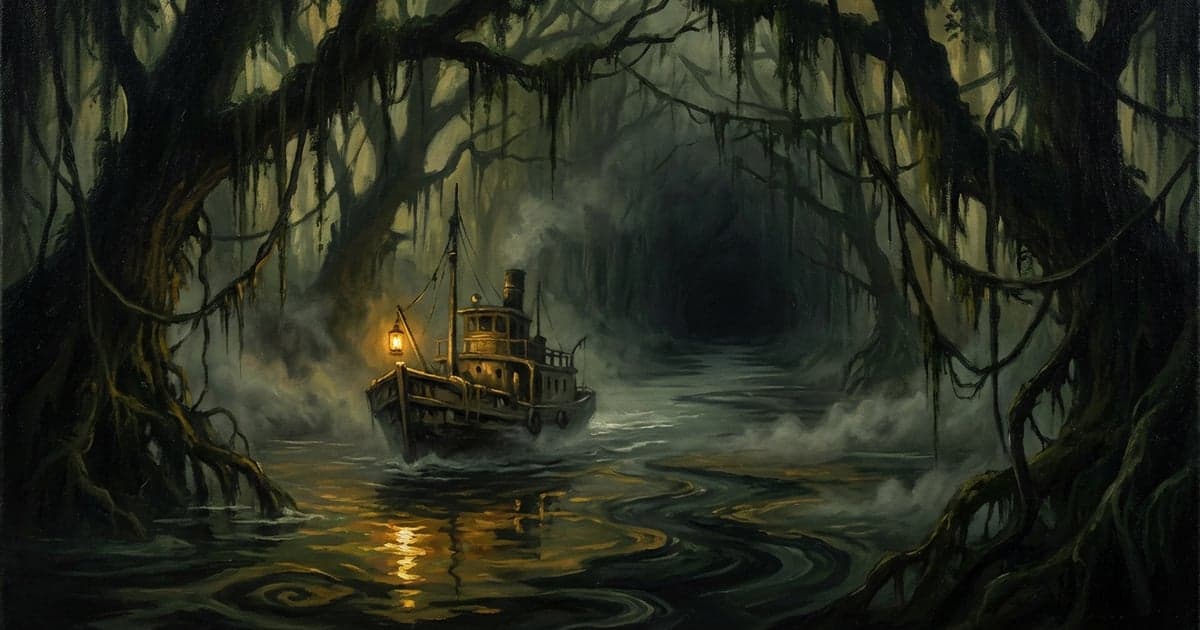
A Schoolmaster's Difficulties El vulgo es necio y pues lo paga, es justo Hablarle en necio para darle el gusto. [62] LOPE DE VEGA. The mountain-encircled lake slept peacefully with that hypocrisy of the elements which gave no hint of how its waters had the night before responded to the fury of the storm. As the first reflections of light awoke on its surface the phosphorescent spirits, there were outlined in the distance, almost on the horizon, the gray silhouettes of the little bankas of the fishermen who were taking in their nets and of the larger craft spreading their…
Public-domain chapter text, formatted for reading.
Master this chapter. Complete your experience
Purchase the complete book to access all chapters and support classic literature
Available in paperback, hardcover, and e-book formats
Now let's explore the literary elements.
Key Quotes & Analysis
"From here your father's body was thrown into the water."
Context: Showing Ibarra the lake shore
Geography becomes testimony. The teacher links Rafael's murder to the reform conversation, grounding idealism in a specific crime scene.
In Today's Words:
He points to the spot where guards dumped Don Rafael's corpse, reminding Ibarra that education work follows political violence. The same pattern still appears when corrupt institutions punish honesty, reward flattery, and teach people to mistake cruelty for order or tradition. The same pattern still appears when corrupt institutions punish honesty, reward flattery, and teach
"More than two hundred on the roll but only about twenty-five in actual attendance."
Context: Describing enrollment versus reality
Paper success hides empty benches. Rizal exposes how colonial schools inflate numbers while poverty and priestly interference empty classrooms.
In Today's Words:
The teacher admits most registered pupils never come because families need labor and fear punishment if children miss church work. The same pattern still appears when corrupt institutions punish honesty, reward flattery, and teach people to mistake cruelty for order or tradition. The same pattern still appears when corrupt institutions punish honesty, reward flattery, and
"The reason lies in their torn camisas and their downcast eyes."
Context: Explaining why pupils stay away
Shame and clothing mark class pain visible on children's bodies. Attendance is an economic and emotional calculation, not laziness.
In Today's Words:
He says students vanish because ragged shirts and humiliation show they are too poor and beaten down to keep attending. The same pattern still appears when corrupt institutions punish honesty, reward flattery, and teach people to mistake cruelty for order or tradition. The same pattern still appears when corrupt institutions punish honesty, reward flattery, and
"I owed many favors to your father"
Context: Recalling Rafael's past support
Debt of gratitude binds the teacher to Ibarra's mission. Personal loyalty becomes the bridge between grief and public reform.
In Today's Words:
He tells the young man that Don Rafael once helped him survive, so he will now help build the school Rafael dreamed about. The same pressure appears today when a family promise shrinks under a partner's influence, or when someone with power keeps sounding reasonable while doing less and less for the people who depend
Thematic Threads
Systemic Oppression
In This Chapter
Education system designed to create obedient subjects, not thinking citizens
Development
Expanding from individual corruption to institutional design
In Your Life:
You might see this in workplace policies that benefit management while harming workers and customers.
Moral Compromise
In This Chapter
Teacher forced to abandon principles and return to brutal methods to survive
Development
Building on earlier themes of survival requiring ethical flexibility
In Your Life:
You face this when speaking up at work could cost your job but staying silent enables harm.
Colonial Control
In This Chapter
Spanish language taught as meaningless recitation to prevent real communication
Development
Deepening exploration of how colonizers maintain power through controlled ignorance
In Your Life:
You see this in technical jargon used to exclude people from understanding systems that affect them.
Generational Trauma
In This Chapter
Parents demanding their children be beaten because that's how they learned
Development
Introduction of how oppression perpetuates itself through family structures
In Your Life:
You might perpetuate harmful patterns because 'that's how we've always done it' in your family.
Reform Resistance
In This Chapter
Every progressive teaching method systematically crushed by authorities
Development
New theme showing how power structures actively prevent improvement
In Your Life:
You encounter this when trying to improve processes at work only to face resistance from those who benefit from dysfunction.
You now have the context. Time to form your own thoughts.
Discussion Questions
This is not a test. Five prompts guide you through the chapter, from how it opens to how it closes, so you notice context and rhythm rather than facts to memorize. Sit with each question in your own words. When you see "One way to read it," treat it as a starting point, not the only answer.
- 1
Why does Ibarra choose reform over revenge at the lakeshore?
analysis • surfaceOne way to read it
He listens to the schoolmaster and commits to building schools rather than immediate violence. Rafael's legacy becomes institutional change.
- 2
What obstacles does the schoolmaster describe since Rafael's death?
analysis • mediumOne way to read it
Enrollment collapses, classes meet by the curate's carriage, Damaso mocked Spanish, and the whip returned. Priest, parents, and poverty align against progress.
- 3
How does the gap between two hundred on the roll and twenty-five attending expose colonial education?
application • mediumOne way to read it
Official numbers pretend success while torn camisas show real hardship. Rizal blames structure, not student laziness.
- 4
Why does the teacher forgive the people while criticizing their leaders?
application • deepOne way to read it
He sees parents frightened and priests profiting from ignorance. Mercy toward villagers pairs with clarity about who blocks reform.
- 5
When have you seen a good program fail because it needed permission from its opponents?
reflection • deepOne way to read it
Schools, clinics, or unions often lose when funders or regulators benefit from the status quo. The schoolmaster's whip story is a template.
Critical Thinking Exercise
Map the Power Players
Think of a workplace, school, or community organization you know well. Draw a simple map showing who has the power to approve or block changes, who benefits from keeping things as they are, and who would benefit from reforms. Then identify one small change that could realistically happen and trace the likely resistance it would face.
Consider:
- •Look for the difference between official authority and actual influence
- •Notice who profits or gains status from the current system
- •Consider how reformers could build alliances with other stakeholders
Journaling Prompt
Write about a time when you tried to improve something at work, school, or in your community. What resistance did you face, and how did you handle it? What would you do differently now?
Coming Up Next...
Chapter 20: The Town Hall Power Play
Ibarra heads to a town meeting where local officials will discuss education reform. But will their grand plans face the same crushing reality the schoolmaster just described? The opening of The Meeting in the Town Hall will tighten the family's position faster than anyone at Norland expected, and the next scene will test whether good intentions survive polite pressure..