
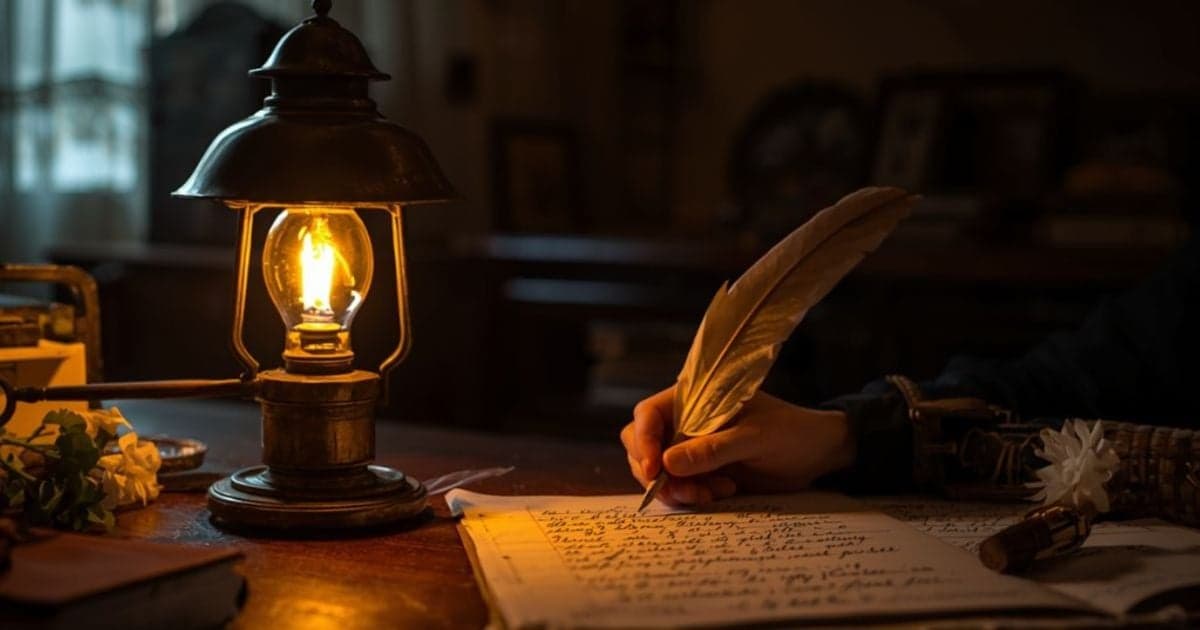
The colonial government has already commissioned a monument. Dawn, rifles, a crowd, a warning carved into a body. Rizal answers with a funeral almost too slight to photograph. If a humble flower rises, kiss it. If a bird lands on the cross, let it sing peace. Let one friend weep early. The mourners are weather and a person who actually knew him. Official memory is a budget. He will not apply.
Then he invites the hoe. When the tomb has neither cross nor stone, let the plowman turn it. Ashes may become the dust that forms the nation's carpet. Usefulness after the label is gone is the test. A legacy that requires a caption will be captured by whoever owns the caption. A legacy that can be farmed does not need a guard. He would rather be walked on as soil than conserved as marble.
He writes the fame clause out in advance. If you place me in oblivion, it will not matter. The faith can travel as air. The poem became famous anyway. That does not cancel the instruction. Build what still works unlabeled. The stone, if it comes, is someone else's problem, and often someone else's weapon.
The Central Lesson
Before you spend a life on being remembered, ask what should still function if nobody puts your name on it. Rizal's answer is tenderness at ground level, a song of peace, and soil people can walk. If the work dies without the logo, you built a brand. If it can survive the plow, you built a legacy. Invite the hoe through your own marker while you can still choose to. The stone, if it comes, is someone else's problem.
Applying This to Your Life
Prefer a Useful Trace to a Caption
Ask whether the work needs a byline to keep working. If it helps after the name is gone, you built a legacy. If it dies without the logo, you built a brand. Design for the first.
Staff the Funeral with Ordinary Things
Moon, wind, and a bird do not need a committee. In a workplace or a family, the habits people keep when you are out of the room are the real memorial. Spend your energy there, not on the send-off.
Invite the Plow Through Your Own Marker
Practice giving away credit, process, and documentation so someone who never met you can farm the work. Rizal signs away the stone before anyone can offer one. Fear of oblivion is often fear that there was only branding.
Other lessons in this book
More life-skill deep dives from the same classic.
Expanding Identity Beyond the Self
See the I widen until ashes, air, and song are still the speaker.
1 chapter·Explore AnalysisTurning Grief into Purpose
Follow Eden lost into a prayer for orphans, widows, and prisoners still in the same system.
1 chapter·Explore AnalysisChoosing Principles Under Pressure
Watch content replace rage in the cell, then the line that falling can give wings.
1 chapter·Explore AnalysisFacing Death Without Self-Pity
Sit with the lamp, the blushing sky, and the last line: to die is to rest.
1 chapter·Explore AnalysisNaming Violence Dressed as Faith
Hear where faith does not kill, and separate God from the court that scheduled dawn.
1 chapter·Explore Analysis
Continue exploring
Explore this theme
The same lessons in other books
See how other books teach the same life skills.

Les Misérables: Essential Edition
Navigating Poverty and Social ClassTrace Fantine from 1817 hope to factory gossip, and the class that treats need as indictment.
The Jungle
Reading Graft as Everyday GovernmentStay with Duane's cell and chapter 25: votes, inspectors, and a city that prices justice.
The Essays of Montaigne
Choosing Real FriendshipHear essay 27 answer La Boétie: because it was he, because it was I.
Where the lesson lives in the book
A Memorial You Can Kiss
If over the grave a simple flower, humble and small, begins to rise, bring it to your lips. The first request is almost nothing: a plant, a breath, a brow under cold earth. Official memory would have started with a committee.
Key Insight:
Legacy often arrives dressed as a plaque. Rizal asks for tenderness at ground level. If the work needs a ceremony to exist, it may not be work. It may be a bid for applause.
“A simple flower—humble, small—begin to rise, / Bring it to your lips and kiss my soul,”
Staff the Funeral with What Shows Up Anyway
Moon, a brief dawn, wind, a bird on the cross singing peace. The mourners do not need a budget. He will not apply to the state for a proper send-off. The state has already scheduled one, and it is a warning.
Key Insight:
A legacy that requires funding will be captured by whoever holds the funds. Watch what people keep doing when you are out of the room. Those habits are the real memorial. Design those, not the program.
“And if a bird descends and rests upon my cross, / Let it sing there its song of peace.”
One Friend, Then Quiet Evenings
Let a dear friend weep early. In quiet evenings, when someone prays, the country may pray too. He will not skip the person who knew him and go straight to the crowd. Monuments skip the friend.
Key Insight:
If nobody who knew you would pray, a statue will not fix that. Scale that starts human can widen. Scale that starts official usually stays official. Keep one actual weeper in the plan before you design the afterlife of your name.
“And in the quiet evenings, when someone prays for me,”
Neither Cross Nor Stone
When the tomb is forgotten, with neither cross nor stone to mark its place, let the plowman turn it and the hoe scatter it. He invites the tool that erases markers. That is not despair. It is a bet on usefulness after the label is gone.
Key Insight:
People guard reputation the way cities guard statues. Ask whether your work can survive being unlabeled. If it cannot, you built a caption. If it can be farmed by someone who never met you, you built a legacy.
“Has neither cross nor stone to mark its place, / Let the plowman turn it; let the hoe scatter it;”
Dust People Can Walk
Ashes, before they return to nothing, may become the dust that forms the nation's carpet. He would rather be walked on as soil than guarded as marble. The gift is use, not display.
Key Insight:
The most radical memorial is one nobody has to protect. If your contribution requires a docent, it is already a museum. Prefer traces people can live on without knowing your name.
“May become the dust that forms your carpet.”
Write the Fame Clause Out in Advance
Then it will not matter if the country places him in oblivion. He will cross air and valleys anyway. Forgetting the stone is not forgetting the faith. He signs away the monument before anyone can offer one.
Key Insight:
Fear of oblivion is often fear that the work was only branding. Separate them while you can still choose. If the essence repeats without a caption, the stone was never the point. If it does not, no stone will save it.
“Then it will not matter if you place me in oblivion:”