Wide Reads
Literature MattersLife IndexEducators
Sign in
Where to Begin

Volume I, Book 8: A Counter-Blow - The Conscience's Victory — Les Misérables: Essential Edition

Les Misérables: Essential Edition - Volume I, Book 8: A Counter-Blow - The Conscience's Victory

Victor Hugo

Les Misérables: Essential Edition

Volume I, Book 8: A Counter-Blow - The Conscience's Victory

Home›Books›Les Misérables: Essential Edition›Chapter 9: Volume I, Book 8: A Counter-Blow - The Conscience's Victory
Previous
9 of 48
Next

Analysis by the Wide Reads editorial team·Reviewed against the source text·Updated January 28, 2025

Summary

Volume I, Book 8: A Counter-Blow - The Conscience's Victory

Les Misérables: Essential Edition by Victor Hugo

0:000:00
Listen to Next Chapter

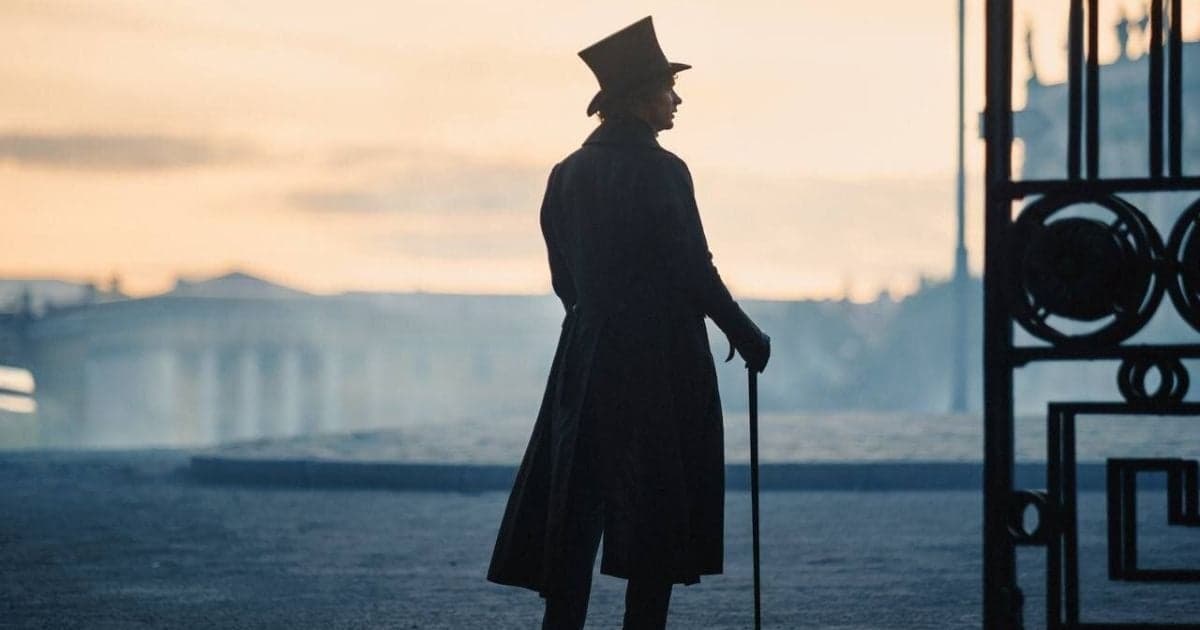
After hours of anguished walking, Monsieur Madeleine sits down and falls asleep. The clock has struck three; he has been moving almost without pause for five hours. His exhaustion finally forces rest, and rest brings a nightmare Hugo treats as morally significant. The dream bears only a mournful relation to the court case, yet it shakes Valjean enough that he later writes it down. Hugo tells readers he will copy the account literally from Valjean's own papers because the night would be incomplete without it. The envelope is dated January 25, 1823. In this abridged passage the trial's outward action pauses while the inner trial continues in sleep. Hugo suggests conscience does not only argue in daylight; it pursues a man in symbols when reason has worn him down. The chapter prepares the public confession to come by showing that Valjean's guilt is not abstract. It has become a haunting the body must process before the will can act. The dated paper proves his conscience is moving toward a public act he cannot postpone forever. Hugo makes the trap visible. The excerpt keeps the moral pressure visible for readers tracing Fantine and Valjean. The nightmare becomes evidence that private guilt is preparing a public reckoning Valjean cannot delay much longer without harm.

In this chapter: Terms Characters Key Quotes Themes Modern Story

Why This Matters

Connect literature to life

Skill: Listening to Conscience Under Fatigue

Hard choices do not only happen in daylight. Valjean walks for hours, sleeps, and wakes from a nightmare he later writes down as a dated record. When you are exhausted, pay extra attention to what your mind will not let you ignore.

Coming Up in Chapter 10

Jean Valjean arrives at the courthouse, ready to shatter his carefully constructed life. But when he finally reveals his identity in court, the consequences ripple far beyond what he imagined, setting off a chain of events that will forever change his relationship with Inspector Javert..
Share it with friends

PreviousPrevious ChapterNextNext Chapter
Chapter overview
366 wordsexcerpt

Chapter 09

Volume I, Book 8: A Counter-Blow - The Conscience's Victory

The clock struck three. He had been walking thus for five hours, almost uninterruptedly, when he at length allowed himself to fall into a chair. There he fell asleep and had a dream. This dream, like the majority of dreams, bore no other relation to the situation of the case than its mournful and heart-rending character, but it made an impression on him. This nightmare struck him so forcibly that he wrote it down later on. It is one of the papers in his own handwriting which he has left behind him. We think it our duty to copy it…

Master this chapter. Complete your experience

Purchase the complete book to access all chapters and support classic literature

Buy at Powell'sBuy on Amazon

Available in paperback, hardcover, and e-book formats

Now let's explore the literary elements.

Key Quotes & Analysis

"The clock struck three. He had been walking thus for five hours, almost uninterruptedly, when he at length allowed himself to fall into a chair."

— Narrator

Context: Valjean finally stops after moral agony

Physical collapse follows psychological strain; the body enforces a pause.

In Today's Words:

He paced for hours until his body forced him to sit. Major decisions often arrive after you stop performing strength. Exhaustion can be the moment conscience finally gets your attention. Rest arrives only after the body exhausts every evasion strategy first. Watch for the same logic in your own institutions.

"There he fell asleep and had a dream."

— Narrator

Context: Transition from waking struggle to nightmare

Sleep becomes the next courtroom when waking willpower has stalled.

In Today's Words:

Sleep took over where argument left off. When you cannot resolve a conflict awake, the mind often continues the trial in dreams. That is one way guilt demands a hearing. Dreams continue arguments the waking mind keeps postponing for safety. Watch for the same logic in your own institutions.

"This nightmare struck him so forcibly that he wrote it down later on."

— Narrator

Context: Hugo on the significance of the dream

What shakes us enough to record usually points to an unresolved moral demand.

In Today's Words:

The dream haunted him enough to become a written record. Experiences you journal or replay repeatedly often signal a decision you have not yet made. Memory keeps returning until action follows. What you write down is often what you already know you must do. Watch for the same logic in your own institutions.

"On the envelope we find this line inscribed, 'The dream that I had on the night of January 25th, 1823.'"

— Narrator

Context: Closing frame for Valjean's written nightmare

Dating the dream turns private torment into evidence of a conscience preparing to act.

In Today's Words:

He labeled the paper like evidence in a case against himself. Putting a date on inner turmoil can mean you know it is leading somewhere public. Conscience often documents itself before confession. Dating the paper turns private dread into evidence aimed at tomorrow. Watch for the same logic in your own institutions.

Thematic Threads

Justice vs. Self-Preservation

In This Chapter

Valjean must choose between saving an innocent man and protecting his own freedom and reputation

Development

The internal conflict intensifies as he realizes the full cost of moral action, culminating in his decision to sacrifice everything for justice

In Your Life:

Those moments when you must choose between what's right and what's safe - reporting misconduct, standing up to authority, or admitting a mistake that could cost you

The Weight of Conscience

In This Chapter

Valjean's physical and emotional torment as his conscience demands he act against his self-interest

Development

The sleepless night and nightmares show how moral conflict creates real suffering when we try to ignore our inner voice

In Your Life:

That inability to sleep or find peace when you know you should do something difficult but right - the internal pressure that builds until you act

You now have the context. Time to form your own thoughts.

Discussion Questions

This is not a test. Five prompts guide you through the chapter, from how it opens to how it closes, so you notice context and rhythm rather than facts to memorize. Sit with each question in your own words. When you see "One way to read it," treat it as a starting point, not the only answer.

  1. 1

    Why does Hugo pause the court plot to record Valjean's dream?

    ▶One way to read it

    He shows inner moral struggle continuing when outward action stops.

    analysis • surface
  2. 2

    What does five hours of walking suggest about Valjean's state before sleep?

    ▶One way to read it

    He is circling a decision his waking mind has not yet been able to make.

    analysis • medium
  3. 3

    Why might Valjean write the nightmare down afterward?

    ▶One way to read it

    The dream feels like testimony his conscience is preparing him to act on.

    analysis • deep
  4. 4

    When have you made an important decision only after rest or a vivid dream?

    ▶One way to read it

    Fatigue and sleep often clarify what avoidance kept blurry during the day.

    application • medium
  5. 5

    How is a private nightmare still a public moral event in this novel?

    ▶One way to read it

    It foreshadows confession because guilt will not remain private indefinitely.

    reflection • deep

Critical Thinking Exercise

10 minutes

The Conscience Cost-Benefit Analysis

Think of a situation where you knew the right thing to do but hesitated because of the personal cost. Write down what you stood to lose by acting and what others stood to lose by your inaction. Then analyze: What does this reveal about how you weigh personal comfort against moral responsibility?

Consider:

  • •How do we measure short-term personal loss against long-term moral integrity?
  • •What role should personal sacrifice play in ethical decision-making?
  • •How can we prepare ourselves mentally for moments when conscience demands costly action?

Journaling Prompt

Describe a time when you chose personal safety over moral courage, or moral courage over personal safety. What did that choice teach you about your own character and values?

Coming Up Next...

Chapter 10: Volume I, Book 8: Continuation of Fantine's Story

Jean Valjean arrives at the courthouse, ready to shatter his carefully constructed life. But when he finally reveals his identity in court, the consequences ripple far beyond what he imagined, setting off a chain of events that will forever change his relationship with Inspector Javert..
Continue to Chapter 10
Previous
The Champmathieu Affair
Contents
Next
Volume I, Book 8: Continuation of Fantine's Story
Keep exploring

Continue Exploring

Study guides, teaching tools, themes, and the full library.More ways to read Les Misérables: Essential Edition: study guides, teaching tools, and the wider library.

  • Les Misérables: Essential Edition Study Guide
  • Teaching Resources
  • Essential Life Index
  • Browse by Theme
  • All Books

What this chapter teaches

Theme analyses that draw on this chapter and apply it to modern life.

  • Recognizing Redemption and TransformationTrack Jean Valjean
Moral Dilemmas & EthicsSocial Class & Status

You Might Also Like

A Tale of Two Cities cover

A Tale of Two Cities

Charles Dickens

Explores justice & fairness

The Count of Monte Cristo cover

The Count of Monte Cristo

Alexandre Dumas

Explores justice & fairness

Noli Me Tángere cover

Noli Me Tángere

José Rizal

Explores justice & fairness

The Jungle cover

The Jungle

Upton Sinclair

Explores justice & fairness

Browse all 107+ books

Share This Chapter

Know someone who'd enjoy this? Spread the wisdom!

TwitterFacebookLinkedInEmail

Go further with Prestige

Unlock study guides and downloads, early access, and exclusive content — and support free access for everyone.

Subscribe to PrestigeCreate free account
Intelligence Amplifier
Intelligence Amplifier™Powering Wide Reads

Exploring human-AI collaboration through books, essays, and philosophical dialogues. Classic literature transformed into navigational maps for modern life.

2025 Books

→ The Amplified Human Spirit→ The Alarming Rise of Stupidity Amplified→ San Francisco: The AI Capital of the World
Visit intelligenceamplifier.org
hello@widereads.com

WideReads Originals

→ You Are Not Lost→ The Last Chapter First→ The Lit of Love→ Wealth and Poverty→ Wisdom for the Wounded
Arvintech
arvintechAmplify your Mind
Visit at arvintech.com

Navigate

  • Home
  • Library
  • Essential Life Index
  • How It Works
  • Subscribe
  • Account
  • About
  • Contact
  • Authors
  • Suggest a Book
  • Landings

Made For You

  • Trending
  • Students
  • Educators
  • Families
  • Readers
  • Literary Analysis
  • Finding Purpose
  • Letting Go
  • Recovering from a Breakup
  • Corruption
  • Gaslighting in the Classics

Newsletter

Weekly insights from the classics. Amplify Your Mind.

Legal

  • Privacy Policy
  • Terms of Service
  • Editorial Standards
  • Cookie Policy
  • Accessibility

Why Public Domain?

We focus on public domain classics because these timeless works belong to everyone. No paywalls, no restrictions—just wisdom that has stood the test of centuries, freely accessible to all readers.

Public domain books have shaped humanity's understanding of love, justice, ambition, and the human condition. By amplifying these works, we help preserve and share literature that truly belongs to the world.

A Pilgrimage

Powell's City of Books

Portland, Oregon

If you ever find yourself in Portland, walk to the corner of Burnside and 10th. The building takes up an entire city block. Inside is over a million books, new and used on the same shelf, organized by color-coded rooms with names like the Rose Room and the Pearl Room. You can lose an afternoon. You can lose a weekend. You will find a book you have been looking for your whole life, and three you did not know existed.

It is a pilgrimage. We cannot find a bookstore like it anywhere on earth. If you read the classics, and you ever get the chance, go. It belongs on every reader's bucket list.

Visit powells.com

We are not in any way affiliated with Powell's. We are just a very big fan.

© 2026 Wide Reads™. All Rights Reserved.

Intelligence Amplifier™ and Wide Reads™ are proprietary trademarks of Arvin Lioanag.

Copyright Protection: All original content, analyses, discussion questions, pedagogical frameworks, and methodology are protected by U.S. and international copyright law. Unauthorized reproduction, distribution, web scraping, or use for AI training is strictly prohibited. See our Copyright Notice for details.

Disclaimer: The information provided on this website is for general informational and educational purposes only and does not constitute professional, legal, financial, or technical advice. While we strive to ensure accuracy and relevance, we make no warranties regarding completeness, reliability, or suitability. Any reliance on such information is at your own risk. We are not liable for any losses or damages arising from use of this site. By using this site, you agree to these terms.