Chapter 10
Volume I, Book 8: Continuation of Fantine's Story
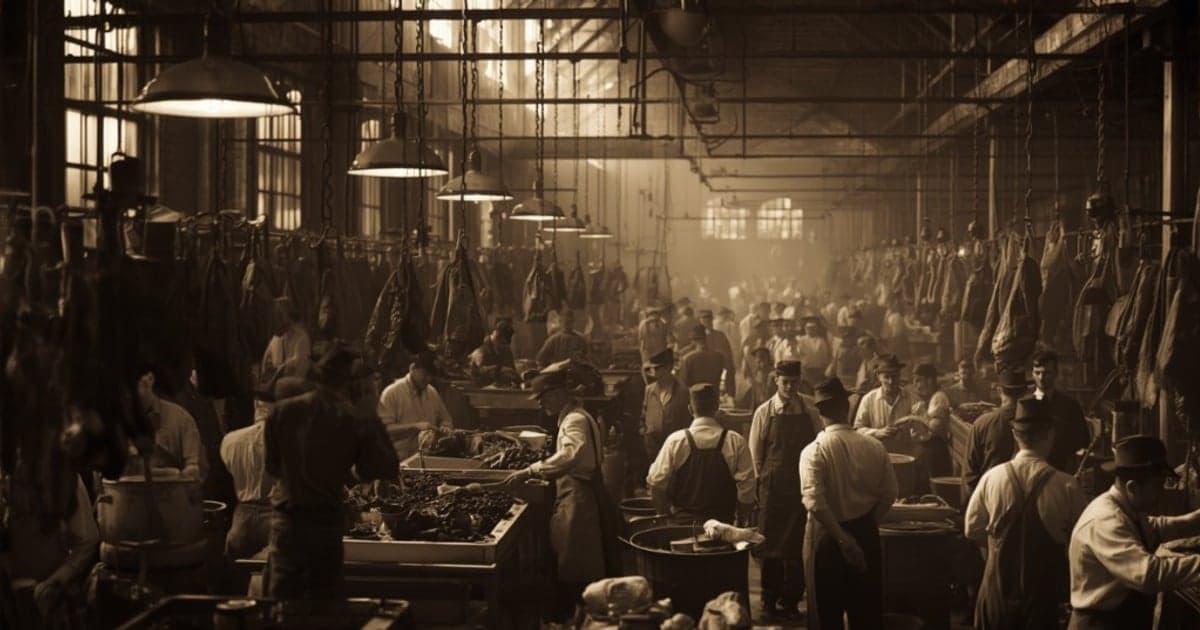
The continuation of Fantine's tragic story reveals the brutal machinery of social injustice that crushes the vulnerable beneath its weight. As her health deteriorates from poverty and desperation, we witness how society's moral failures create cascading consequences for the innocent. The factory workers, once her companions, now turn their backs in judgment, while the foreman who exploited her vulnerability escapes without consequence. Fantine's fall from respectability to destitution illustrates how quickly one can tumble through society's supposedly protective layers when stripped of economic security and social standing. Her desperate attempts to maintain dignity while selling everything she possesses, her hair,…
Master this chapter. Complete your experience
Purchase the complete book to access all chapters and support classic literature
Available in paperback, hardcover, and e-book formats
Now let's explore the literary elements.
Key Quotes & Analysis
"As her health deteriorates from poverty and desperation, we witness how society's moral failures create cascading consequences for the innocent."
Context: Opening claim of Fantine's continued descent
Hugo frames individual suffering as the product of collective moral failure.
In Today's Words:
Her body breaks down while the systems around her keep preaching virtue. When hospitals, landlords, and employers squeeze the same person, collapse is predictable. Innocent children and parents pay for policies adults call respectable. Cascading harm is a policy outcome, not a personal mystery. Watch for the same logic in your own institutions.
"The factory workers, once her companions, now turn their backs in judgment"
Context: Former peers abandon Fantine
Respectable workers police one another to avoid sharing her fate.
In Today's Words:
Coworkers who once stood beside her now distance themselves to stay safe. Groups often exile the person who reminds them how thin their own security is. Judgment becomes a form of self-protection. Peer judgment often protects the judge from seeing shared risk. Watch for the same logic in your own institutions.
"Fantine's fall from respectability to destitution illustrates how quickly one can tumble through society's supposedly protective layers when stripped of economic security and social standing."
Context: Hugo's social analysis of Fantine's collapse
Status proves fragile once wages and reputation are removed.
In Today's Words:
She slid from respectable worker to outcast faster than anyone admits is possible. Lose a paycheck and a reputation at once and the safety nets vanish. Middle-class stability is often thinner than the story we tell about it. Security and reputation usually leave together when income collapses.
"Her desperate attempts to maintain dignity while selling everything she possesses, her hair, her teeth, her very body, expose the hollow promises of a system that claims to protect its citizens while systematically destroying them."
Context: Closing indictment of the society that broke Fantine
Fantine sells pieces of herself because lawful survival has already been denied.
In Today's Words:
She sells hair, teeth, and finally herself because lawful options are gone. When society calls itself protective while blocking wages and childcare, people sell pieces of themselves to stay alive. That is the system failing, not the person. Selling pieces of yourself is what the market demands when wages fail.
Thematic Threads
Justice vs. Law
In This Chapter
Legal and social systems condemn Fantine while protecting her exploiter
Development
The gap between what's legally permissible and morally right becomes a chasm
In Your Life:
Times when following rules would cause harm, or when 'legal' doesn't mean 'right'
Poverty as Violence
In This Chapter
Economic desperation forces Fantine into degrading situations that destroy her health and dignity
Development
Hugo shows how poverty isn't just lack of money—it's systematic violence against human dignity
In Your Life:
Recognizing how financial stress forces people into compromising situations and unhealthy choices
Social Hypocrisy
In This Chapter
The community that once accepted Fantine now condemns her while ignoring the man who caused her downfall
Development
Moral judgment becomes a tool for maintaining power structures rather than promoting actual virtue
In Your Life:
Noticing when moral outrage targets the powerless while excusing the powerful
You now have the context. Time to form your own thoughts.
Discussion Questions
This is not a test. Five prompts guide you through the chapter, from how it opens to how it closes, so you notice context and rhythm rather than facts to memorize. Sit with each question in your own words. When you see "One way to read it," treat it as a starting point, not the only answer.
- 1
According to this chapter, who faces consequences and who escapes them in Fantine's story?
analysis • surfaceOne way to read it
Fantine suffers while the foreman who exploited her and judging coworkers avoid accountability.
- 2
How does the passage connect moral judgment to economic collapse?
analysis • mediumOne way to read it
Once Fantine loses standing and income, neighbors police her instead of helping her recover.
- 3
Why does Hugo list hair, teeth, and body among Fantine's sales?
analysis • deepOne way to read it
Each sale shows dignity being traded away because lawful survival has already been blocked.
- 4
Where do modern communities blame individuals for failures the system created?
application • mediumOne way to read it
Housing instability, addiction, and debt often get treated as moral faults rather than policy outcomes.
- 5
What would a protective society have done differently at each stage of Fantine's fall?
reflection • deepOne way to read it
Fair hiring, affordable childcare, and medical care would remove the sales desperation describes.
Critical Thinking Exercise
The Attribution Challenge
Think of someone you know who's struggling financially or socially. List all the factors that might contribute to their situation—both personal choices and external circumstances beyond their control. Include things like family background, educational opportunities, health issues, economic conditions, discrimination, and systemic barriers they might face.
Consider:
- •What advantages or resources did you have that they might lack?
- •How might their story look different if they had your starting point?
- •What would need to change in society to prevent similar situations?
- •How does focusing on individual choices versus systemic issues change potential solutions?
Journaling Prompt
Reflect on a time when you were judged for circumstances beyond your control. How did it feel? What would you have wanted others to understand about your situation?
Coming Up Next...
Chapter 11: Volume I, Book 9: Continuation of Fantine's Story
Chapter 11 opens on Volume I, Book 9: Continuation of Fantine's Story: The reader will remember that Fantine had left more than ten francs of debt at the Thenardiers'. The next step in Hugo's map turns on that concrete beat, not on theme alone..