Chapter 42
Volume IV, Book 6: Little Gavroche - The Street Urchin
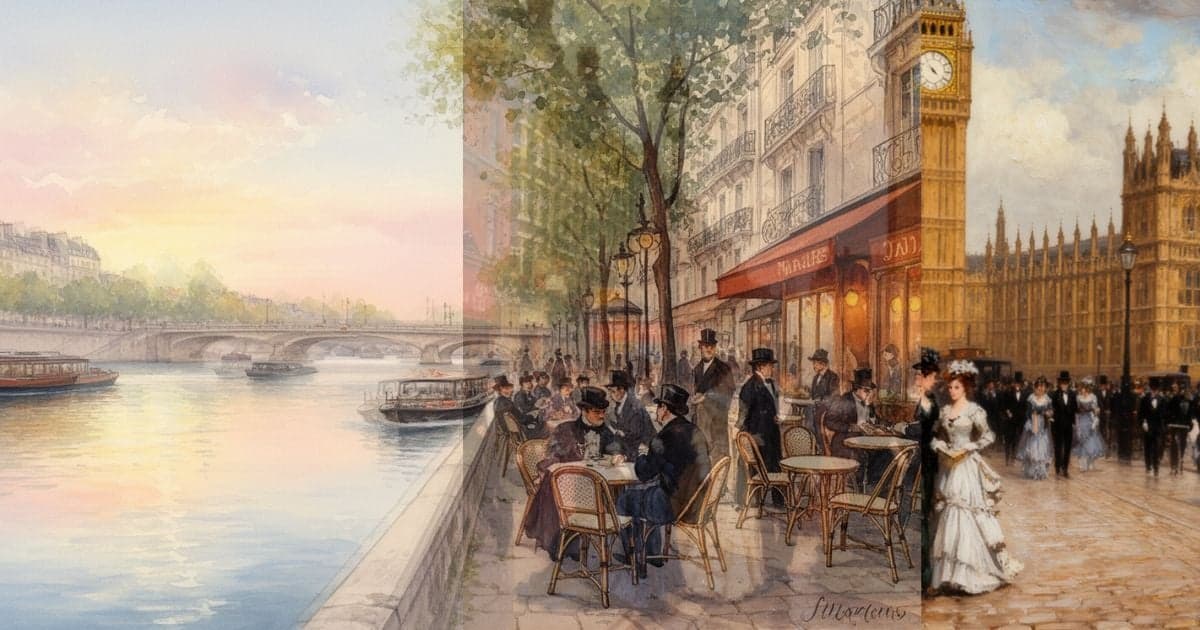
Little Gavroche was singing. He was marching through the streets of Paris, that gamin of Paris, who was the delight of this great city. He walked along, his hands in his pockets, whistling, stopping at every street corner to joke with the passers-by, climbing over the barriers, sliding under the wagons. He was the street urchin par excellence, the Parisian gamin who makes the foreigner smile and the bourgeois shrug his shoulders. But on this particular morning, Gavroche was not merely wandering aimlessly. Behind his carefree exterior lay a purpose, for revolution was in the air, and even the youngest…
Master this chapter. Complete your experience
Purchase the complete book to access all chapters and support classic literature
Available in paperback, hardcover, and e-book formats
Now let's explore the literary elements.
Key Quotes & Analysis
"He was the street urchin par excellence, the Parisian gamin who makes the foreigner smile and the bourgeois shrug his shoulders."
Context: Introduction of Gavroche's character and his place in Parisian society
This quote reveals how society views its most vulnerable members - as entertainment or nuisance rather than as full human beings with potential
In Today's Words:
He was the ultimate street kid, the type that tourists find charming but middle-class people dismiss as trouble. Hugo maps how law, poverty, and reputation trap people long after punishment ends. The line still names a pattern you can spot in hiring, housing, policing, and family life whenever dignity is withheld from someone society has already condemned.
"Behind his carefree exterior lay a purpose, for revolution was in the air."
Context: Describing Gavroche's hidden determination as political tension builds
Shows how serious purpose can coexist with youthful energy, and how historical moments can transform even the youngest participants
In Today's Words:
Beneath his playful attitude was real commitment, because he could feel that major change was coming. Hugo maps how law, poverty, and reputation trap people long after punishment ends. The line still names a pattern you can spot in hiring, housing, policing, and family life whenever dignity is withheld from someone society has already condemned.
"He was marching through the streets of Paris, that gamin of Paris, who was the delight of this great city."
Context: Passage from Volume IV, Book 6: Little Gavroche - The Street Urchin
Hugo uses concrete detail to show how institutions and neighbors shape a person's options.
In Today's Words:
In today's language, the passage says: He was marching through the streets of Paris, that gamin of Paris, who was the delight of this great city. Hugo maps how law, poverty, and reputation trap people long after punishment ends. The line still names a pattern you can spot in hiring, housing, policing, and family life whenever dignity is withheld from someone society has already condemned.
"He walked along, his hands in his pockets, whistling, stopping at every street corner to joke with the passers-by, climbing over the barriers, sliding under the wagons."
Context: Passage from Volume IV, Book 6: Little Gavroche - The Street Urchin
Hugo uses concrete detail to show how institutions and neighbors shape a person's options.
In Today's Words:
In today's language, the passage says: He walked along, his hands in his pockets, whistling, stopping at every street corner to joke with the passers-by, climbing over the barriers, sliding under the wagons. Hugo maps how law, poverty, and reputation trap people long after punishment ends. The line still names a pattern you can spot in hiring, housing, policing, and family life whenever dignity is withheld from someone society has already condemned.
Thematic Threads
Social Justice
In This Chapter
Gavroche's participation in revolution despite his youth and poverty
Development
Shows how the fight for justice includes everyone, regardless of social status
In Your Life:
Consider how your own background or experiences might uniquely qualify you to address certain problems
Sacrifice
In This Chapter
Young Gavroche choosing danger over safety for the cause of freedom
Development
Demonstrates that meaningful sacrifice isn't limited by age or resources
In Your Life:
Recognize moments when standing up for principles requires personal risk
Compassion
In This Chapter
Hugo's portrayal of Gavroche as fully human despite his circumstances
Development
Challenges readers to see dignity and potential in overlooked people
In Your Life:
Practice seeing past surface appearances to recognize the worth and capability in everyone
You now have the context. Time to form your own thoughts.
Discussion Questions
This is not a test. Five prompts guide you through the chapter, from how it opens to how it closes, so you notice context and rhythm rather than facts to memorize. Sit with each question in your own words. When you see "One way to read it," treat it as a starting point, not the only answer.
- 1
How has your own background or experience given you unique insights that others might overlook?
reflection • mediumOne way to read it
Hugo's chapter supports this reading directly. This chapter introduces Gavroche, the street urchin who embodies the spirit of revolutionary Paris. Despite his youth and poverty, Gavroche possesses an intimate knowledge of the city's streets and an unwavering commitment to the cause of freedom. The question asks you to connect that narrative pressure to lived experience: where do you see the same pattern in workplaces, families, courts, or public policy today? Use the text as evidence, not as a moral slogan.
- 2
How does Volume IV, Book 6: Little Gavroche - The Street Urchin show the conflict between rigid justice and compassionate mercy?
analysis • deepOne way to read it
Hugo's chapter supports this reading directly. This chapter introduces Gavroche, the street urchin who embodies the spirit of revolutionary Paris. Despite his youth and poverty, Gavroche possesses an intimate knowledge of the city's streets and an unwavering commitment to the cause of freedom. The question asks you to connect that narrative pressure to lived experience: where do you see the same pattern in workplaces, families, courts, or public policy today? Use the text as evidence, not as a moral slogan.
- 3
What social or economic trap does Hugo expose in Volume IV, Book 6: Little Gavroche - The Street Urchin, and who profits from keeping it in place?
reflection • mediumOne way to read it
Hugo's chapter supports this reading directly. This chapter introduces Gavroche, the street urchin who embodies the spirit of revolutionary Paris. Despite his youth and poverty, Gavroche possesses an intimate knowledge of the city's streets and an unwavering commitment to the cause of freedom. The question asks you to connect that narrative pressure to lived experience: where do you see the same pattern in workplaces, families, courts, or public policy today? Use the text as evidence, not as a moral slogan.
- 4
Where do you see Jean Valjean's dilemma reflected in modern debates about second chances and criminal records?
application • surfaceOne way to read it
Hugo's chapter supports this reading directly. This chapter introduces Gavroche, the street urchin who embodies the spirit of revolutionary Paris. Despite his youth and poverty, Gavroche possesses an intimate knowledge of the city's streets and an unwavering commitment to the cause of freedom. The question asks you to connect that narrative pressure to lived experience: where do you see the same pattern in workplaces, families, courts, or public policy today? Use the text as evidence, not as a moral slogan.
- 5
Which character choice in Volume IV, Book 6: Little Gavroche - The Street Urchin best reveals Hugo's argument about redemption, and why?
analysis • deepOne way to read it
Hugo's chapter supports this reading directly. This chapter introduces Gavroche, the street urchin who embodies the spirit of revolutionary Paris. Despite his youth and poverty, Gavroche possesses an intimate knowledge of the city's streets and an unwavering commitment to the cause of freedom. The question asks you to connect that narrative pressure to lived experience: where do you see the same pattern in workplaces, families, courts, or public policy today? Use the text as evidence, not as a moral slogan.
Critical Thinking Exercise
The Overlooked Expert
Think of a current challenge in your workplace, community, or personal life. Now identify someone who is typically overlooked or undervalued but who might have unique insights into this problem because of their position, experience, or perspective.
Consider:
- •What knowledge might they have that formal leaders lack?
- •How might their outsider status actually be an advantage?
- •What would it take to amplify their voice in addressing this challenge?
Journaling Prompt
Write about a time when you were underestimated but possessed exactly the knowledge or skills needed for a situation. What did that experience teach you about recognizing hidden assets in others?
Coming Up Next...
Chapter 43: Volume V, Book 1: War Between Four Walls - The Barricade
As barricades rise across Paris, Jean must decide whether to flee the city with Cosette or stay and face the revolution that threatens to consume everything he has built.