Chapter 41
The Hunter's Return
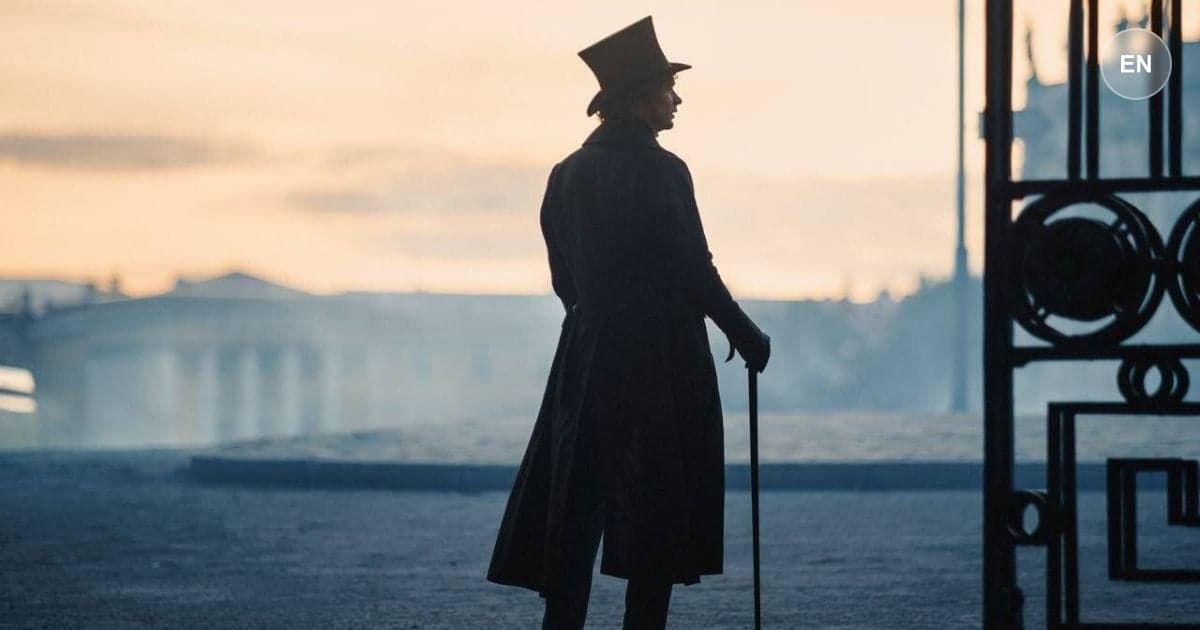
Javert walked through the streets of Paris with the mechanical precision that had served him for twenty years. His eyes swept each doorway, each face, cataloguing every detail with the methodical care of a man who understood that justice was not a feeling but a system. The report had been specific: a man matching Valjean's description, seen near the Rue de l'Homme Armé. Javert felt the familiar tightening in his chest, not excitement, for he was not a man given to such emotions, but the satisfaction of a puzzle piece sliding into place. After months of following cold trails and…
Master this chapter. Complete your experience
Purchase the complete book to access all chapters and support classic literature

Available in paperback, hardcover, and e-book formats
Now let's explore the literary elements.
Key Quotes & Analysis
"The law was patient, but it was also inexorable."
Context: As Javert methodically tracks down Valjean's location
This quote captures the central conflict of the novel, law as an impersonal force that never forgives or forgets, regardless of human transformation
In Today's Words:
The system doesn't care if you've changed; it only cares about what you did. Hugo maps how law, poverty, and reputation trap people long after punishment ends. The line still names a pattern you can spot in hiring, housing, policing, and family life whenever dignity is withheld from someone society has already condemned.
"Every man, no matter how clever, eventually made a mistake."
Context: His confidence in eventually catching Valjean
Reveals Javert's patient, predatory approach and his understanding of human nature's limitations
In Today's Words:
Everyone slips up eventually, that's when I'll get you. Hugo maps how law, poverty, and reputation trap people long after punishment ends. The line still names a pattern you can spot in hiring, housing, policing, and family life whenever dignity is withheld from someone society has already condemned.
"Javert walked through the streets of Paris with the mechanical precision that had served him for twenty years."
Context: Passage from The Hunter's Return
Hugo uses concrete detail to show how institutions and neighbors shape a person's options.
In Today's Words:
In today's language, the passage says: Javert walked through the streets of Paris with the mechanical precision that had served him for twenty years. Hugo maps how law, poverty, and reputation trap people long after punishment ends. The line still names a pattern you can spot in hiring, housing, policing, and family life whenever dignity is withheld from someone society has already condemned.
"His eyes swept each doorway, each face, cataloguing every detail with the methodical care of a man who understood that justice was not a feeling but a system."
Context: Passage from The Hunter's Return
Hugo uses concrete detail to show how institutions and neighbors shape a person's options.
In Today's Words:
In today's language, the passage says: His eyes swept each doorway, each face, cataloguing every detail with the methodical care of a man who understood that justice was not a feeling but a system. Hugo maps how law, poverty, and reputation trap people long after punishment ends. The line still names a pattern you can spot in hiring, housing, policing, and family life whenever dignity is withheld from someone society has already condemned.
Thematic Threads
Justice vs. Mercy
In This Chapter
Javert's methodical pursuit represents pure justice—rule-based, impersonal, consistent
Development
The conflict intensifies as Valjean's transformation becomes irrelevant to the legal system hunting him
In Your Life:
Anytime you face consequences for past mistakes despite genuine change—background checks, credit reports, family grudges
The Past's Power
In This Chapter
Valjean cannot escape what he did decades ago, no matter how completely he's transformed
Development
The chapter shows how institutional memory makes personal redemption incomplete
In Your Life:
Digital footprints, criminal records, reputation—how our past selves limit our present options
Sacrifice and Protection
In This Chapter
Valjean must choose between his safety and Cosette's happiness
Development
Love requires him to consider not just survival, but what kind of life he can provide
In Your Life:
Parental choices about risk, stability, and what we're willing to lose to protect those we love
You now have the context. Time to form your own thoughts.
Discussion Questions
This is not a test. Five prompts guide you through the chapter, from how it opens to how it closes, so you notice context and rhythm rather than facts to memorize. Sit with each question in your own words. When you see "One way to read it," treat it as a starting point, not the only answer.
- 1
Is Javert a villain or simply someone doing his job? What's the difference?
analysis • deepOne way to read it
Hugo's chapter supports this reading directly. Inspector Javert closes in on Jean Valjean's location after months of methodical investigation. His relentless pursuit represents the inflexible nature of a legal system that offers no room for redemption or second chances. The question asks you to connect that narrative pressure to lived experience: where do you see the same pattern in workplaces, families, courts, or public policy today? Use the text as evidence, not as a moral slogan.
- 2
How do you balance being honest about your past with protecting your future opportunities?
reflection • mediumOne way to read it
Hugo's chapter supports this reading directly. Inspector Javert closes in on Jean Valjean's location after months of methodical investigation. His relentless pursuit represents the inflexible nature of a legal system that offers no room for redemption or second chances. The question asks you to connect that narrative pressure to lived experience: where do you see the same pattern in workplaces, families, courts, or public policy today? Use the text as evidence, not as a moral slogan.
- 3
How does The Hunter's Return show the conflict between rigid justice and compassionate mercy?
analysis • deepOne way to read it
Hugo's chapter supports this reading directly. Inspector Javert closes in on Jean Valjean's location after months of methodical investigation. His relentless pursuit represents the inflexible nature of a legal system that offers no room for redemption or second chances. The question asks you to connect that narrative pressure to lived experience: where do you see the same pattern in workplaces, families, courts, or public policy today? Use the text as evidence, not as a moral slogan.
- 4
What social or economic trap does Hugo expose in The Hunter's Return, and who profits from keeping it in place?
reflection • mediumOne way to read it
Hugo's chapter supports this reading directly. Inspector Javert closes in on Jean Valjean's location after months of methodical investigation. His relentless pursuit represents the inflexible nature of a legal system that offers no room for redemption or second chances. The question asks you to connect that narrative pressure to lived experience: where do you see the same pattern in workplaces, families, courts, or public policy today? Use the text as evidence, not as a moral slogan.
- 5
Where do you see Jean Valjean's dilemma reflected in modern debates about second chances and criminal records?
application • surfaceOne way to read it
Hugo's chapter supports this reading directly. Inspector Javert closes in on Jean Valjean's location after months of methodical investigation. His relentless pursuit represents the inflexible nature of a legal system that offers no room for redemption or second chances. The question asks you to connect that narrative pressure to lived experience: where do you see the same pattern in workplaces, families, courts, or public policy today? Use the text as evidence, not as a moral slogan.
Critical Thinking Exercise
The Pursuit Analysis
Think about a time when your past created problems for your present (a reference check, background investigation, or even family/friends who couldn't see how you'd changed). Map out the forces involved: What systems or people were operating on 'institutional time'? What were their actual priorities versus what you wished they would prioritize?
Consider:
- •How did their perspective differ from yours about who you are versus who you were?
- •What would 'winning' look like from their perspective versus your perspective?
- •If you faced a similar situation today, what would you do differently?
Journaling Prompt
Write about a 'Javert force' in your current life. What past version of yourself are they holding you accountable for, and what strategies could help you work with this reality rather than against it?
Coming Up Next...
Chapter 42: Volume IV, Book 6: Little Gavroche - The Street Urchin
Valjean must make the most difficult decision of his transformed life, whether protecting Cosette means sacrificing everything he's worked to build, or if there's another way to face the hunter who will never stop pursuing him.