Wide Reads
Literature MattersLife IndexEducators
Sign in
Where to Begin
Gulliver's Travels - The Lilliputian Way of Life

Jonathan Swift

Gulliver's Travels

The Lilliputian Way of Life

Home›Books›Gulliver's Travels›Chapter 6
Previous
6 of 39
Next

Summary

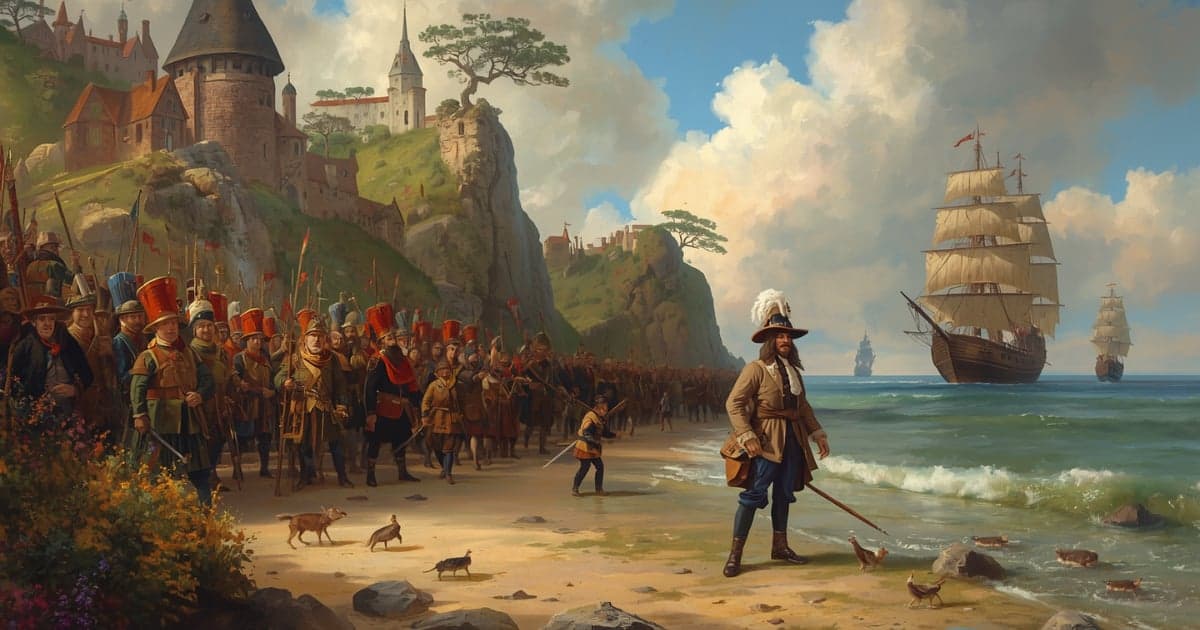
Gulliver provides a detailed tour of Lilliputian society, revealing customs that turn European norms upside down. The Lilliputians write diagonally across paper, bury their dead upside down believing they'll resurrect when the world flips, and treat fraud as worse than theft. Their justice system rewards good behavior rather than just punishing bad behavior, and they prioritize moral character over intelligence when choosing leaders. Most radically, parents don't raise their own children—the state educates all children in specialized nurseries based on social class and gender, believing parents are too emotionally invested to be effective teachers. Gulliver adapts to his giant size by employing hundreds of tiny servants as cooks, tailors, and seamstresses. However, political trouble brews when the treasurer Flimnap grows jealous, spreading rumors that Gulliver is having an affair with the treasurer's wife. Gulliver carefully defends the lady's reputation, explaining that her visits were always public and proper, but the damage is done—his standing with the emperor begins to decline. This chapter reveals Swift's satirical critique of European society through the mirror of Lilliputian customs, while showing how even in a strange land, workplace jealousy and political maneuvering can threaten one's position. The chapter demonstrates how quickly rumors can destroy relationships and reputation, regardless of their truth.

Coming Up in Chapter 7

Gulliver's political troubles deepen as court intrigue intensifies. His growing influence in Lilliput has made him powerful enemies, and the consequences of palace politics are about to become very personal.

Share it with friends

Previous ChapterNext Chapter
GO ADS FREE — JOIN US
Original text
complete·3,705 words
O

f the inhabitants of Lilliput; their learning, laws, and customs; the manner of educating their children. The author’s way of living in that country. His vindication of a great lady.

1 / 19

Master this chapter. Complete your experience

Purchase the complete book to access all chapters and support classic literature

Read Free on GutenbergBuy at Powell'sBuy on Amazon

As an Amazon Associate, we earn a small commission from qualifying purchases at no additional cost to you.

Available in paperback, hardcover, and e-book formats

GO ADS FREE — JOIN US

Why This Matters

Connect literature to life

Skill: Questioning Cultural Assumptions

This chapter teaches how to step outside your cultural bubble and evaluate systems by their effectiveness rather than their familiarity.

Practice This Today

This week, notice when you dismiss something as 'wrong' simply because it's different—then ask yourself what problem that approach might actually be solving.

GO ADS FREE — JOIN US

Now let's explore the literary elements.

Key Quotes & Analysis

"They look upon fraud as a greater crime than theft, and therefore seldom fail to punish it with death."

— Narrator

Context: Gulliver explains Lilliputian laws and justice system

This reveals Swift's critique of European society, where the wealthy could lie and cheat with few consequences while the poor were harshly punished for stealing out of necessity. The Lilliputians prioritize honesty over property, suggesting our values might be backwards.

In Today's Words:

They think lying and cheating is worse than stealing, so liars get the death penalty.

"In choosing persons for all employments, they have more regard to good morals than to great abilities."

— Narrator

Context: Describing how Lilliputians select people for government positions

Swift is questioning whether we should prioritize character over competence in leadership. This challenges the idea that the smartest person should automatically get the job, suggesting that trustworthiness might matter more than talent.

In Today's Words:

When hiring people, they care more about whether you're a good person than whether you're super smart.

"I had the honour to be a nardac, which the treasurer himself is not."

— Narrator

Context: Gulliver boasting about his high rank, which contributes to Flimnap's jealousy

This shows how Gulliver's success breeds resentment. His pride in outranking the treasurer reveals his own vanity while explaining why Flimnap feels threatened. It demonstrates how workplace hierarchies create tension and competition.

In Today's Words:

I got a higher title than even the treasurer has, which made him jealous.

Thematic Threads

Social Expectations

In This Chapter

Lilliputian customs completely reverse European norms, from diagonal writing to state-raised children

Development

Expanded from earlier glimpses of strange customs to full cultural immersion

In Your Life:

You might discover that your family's 'weird' traditions actually serve purposes you never recognized.

Class

In This Chapter

Children are sorted into different nurseries and education tracks based on their parents' social status

Development

Continues the theme of rigid social hierarchy from previous chapters

In Your Life:

You see this when schools in wealthy districts get more resources than those in working-class neighborhoods.

Identity

In This Chapter

Gulliver adapts to his giant status by employing hundreds of tiny servants, creating a new role for himself

Development

Shows Gulliver's continued adaptation and identity shifts in strange circumstances

In Your Life:

You might reinvent yourself when circumstances change, like becoming the 'go-to person' in a new job.

Human Relationships

In This Chapter

Workplace jealousy and rumors threaten Gulliver's position despite his proper behavior

Development

Introduces the universal problem of office politics and reputation management

In Your Life:

You've probably seen how gossip and jealousy can damage someone's standing at work, regardless of truth.

Personal Growth

In This Chapter

Gulliver learns to navigate cultural differences and defend his reputation diplomatically

Development

Shows continued development of social and political awareness

In Your Life:

You grow by learning to handle workplace conflicts and protect your reputation without escalating drama.

GO ADS FREE — JOIN US

You now have the context. Time to form your own thoughts.

Discussion Questions

  1. 1

    Which Lilliputian customs does Gulliver describe, and how do they differ from what he's used to in England?

    analysis • surface
  2. 2

    Why do the Lilliputians choose leaders based on moral character rather than intelligence or credentials? What problems might this solve?

    analysis • medium
  3. 3

    Where do you see examples today of rewarding good behavior instead of just punishing bad behavior? How effective are these approaches?

    application • medium
  4. 4

    When rumors start spreading about Gulliver, how should he handle the situation to protect both his reputation and the lady's honor?

    application • deep
  5. 5

    What does this chapter reveal about how stepping outside our familiar environment can help us see problems with our own systems?

    reflection • deep

Critical Thinking Exercise

10 minutes

Flip Your Perspective

Think of a system in your life that frustrates you - maybe how your workplace handles scheduling, how your kids' school communicates, or how your healthcare provider operates. Now imagine you're a visitor from another planet observing this system for the first time. Write down what you notice without judgment, then brainstorm one 'backwards' solution that might actually work better.

Consider:

  • •What assumptions are you making about the 'right' way to do things?
  • •What problem is the current system actually trying to solve?
  • •How might distance and fresh eyes reveal solutions you've been missing?

Journaling Prompt

Write about a time when you experienced a different way of doing something that seemed strange at first but actually worked better than what you were used to. What did this teach you about questioning your assumptions?

GO ADS FREE — JOIN US

Coming Up Next...

Chapter 7: When Loyalty Becomes a Crime

Gulliver's political troubles deepen as court intrigue intensifies. His growing influence in Lilliput has made him powerful enemies, and the consequences of palace politics are about to become very personal.

Continue to Chapter 7
Previous
The Hero's Dangerous Success
Contents
Next
When Loyalty Becomes a Crime

Continue Exploring

Gulliver's Travels Study GuideTeaching ResourcesEssential Life IndexBrowse by ThemeAll Books

You Might Also Like

Jane Eyre cover

Jane Eyre

Charlotte Brontë

Explores personal growth

Great Expectations cover

Great Expectations

Charles Dickens

Explores personal growth

The Strange Case of Dr Jekyll and Mr Hyde cover

The Strange Case of Dr Jekyll and Mr Hyde

Robert Louis Stevenson

Explores personal growth

Don Quixote cover

Don Quixote

Miguel de Cervantes Saavedra

Explores personal growth

Browse all 47+ books
GO ADS FREE — JOIN US

Share This Chapter

Know someone who'd enjoy this? Spread the wisdom!

TwitterFacebookLinkedInEmail

Read ad-free with Prestige

Get rid of ads, unlock study guides and downloads, and support free access for everyone.

Subscribe to PrestigeCreate free account
Intelligence Amplifier
Intelligence Amplifier™Powering Wide Reads

Exploring human-AI collaboration through books, essays, and philosophical dialogues. Classic literature transformed into navigational maps for modern life.

2025 Books

→ The Amplified Human Spirit→ The Alarming Rise of Stupidity Amplified→ San Francisco: The AI Capital of the World
Visit intelligenceamplifier.org
hello@widereads.com

WideReads Originals

→ You Are Not Lost→ The Last Chapter First→ The Lit of Love→ Wealth and Poverty→ 10 Paradoxes in the Classics · coming soon
Arvintech
arvintechAmplify your Mind
Visit at arvintech.com

Navigate

  • Home
  • Library
  • Essential Life Index
  • How It Works
  • Subscribe
  • Account
  • About
  • Contact
  • Authors
  • Suggest a Book
  • Landings

Made For You

  • Students
  • Educators
  • Families
  • Readers
  • Literary Analysis
  • Finding Purpose
  • Letting Go
  • Recovering from a Breakup
  • Corruption
  • Gaslighting in the Classics

Newsletter

Weekly insights from the classics. Amplify Your Mind.

Legal

  • Privacy Policy
  • Terms of Service
  • Cookie Policy
  • Accessibility

Why Public Domain?

We focus on public domain classics because these timeless works belong to everyone. No paywalls, no restrictions—just wisdom that has stood the test of centuries, freely accessible to all readers.

Public domain books have shaped humanity's understanding of love, justice, ambition, and the human condition. By amplifying these works, we help preserve and share literature that truly belongs to the world.

A Pilgrimage

Powell's City of Books

Portland, Oregon

If you ever find yourself in Portland, walk to the corner of Burnside and 10th. The building takes up an entire city block. Inside is over a million books, new and used on the same shelf, organized by color-coded rooms with names like the Rose Room and the Pearl Room. You can lose an afternoon. You can lose a weekend. You will find a book you have been looking for your whole life, and three you did not know existed.

It is a pilgrimage. We cannot find a bookstore like it anywhere on earth. If you read the classics, and you ever get the chance, go. It belongs on every reader's bucket list.

Visit powells.com

We are not in any way affiliated with Powell's. We are just a very big fan.

© 2026 Wide Reads™. All Rights Reserved.

Intelligence Amplifier™ and Wide Reads™ are proprietary trademarks of Arvin Lioanag.

Copyright Protection: All original content, analyses, discussion questions, pedagogical frameworks, and methodology are protected by U.S. and international copyright law. Unauthorized reproduction, distribution, web scraping, or use for AI training is strictly prohibited. See our Copyright Notice for details.

Disclaimer: The information provided on this website is for general informational and educational purposes only and does not constitute professional, legal, financial, or technical advice. While we strive to ensure accuracy and relevance, we make no warranties regarding completeness, reliability, or suitability. Any reliance on such information is at your own risk. We are not liable for any losses or damages arising from use of this site. By using this site, you agree to these terms.