Master this chapter. Complete your experience
Purchase the complete book to access all chapters and support classic literature

As an Amazon Associate, we earn a small commission from qualifying purchases at no additional cost to you.
Available in paperback, hardcover, and e-book formats
Why This Matters
Connect literature to life
This chapter teaches how to recognize when group safety nets actually sabotage authentic connection.
Practice This Today
This week, notice when you use others as emotional buffers—try making one important conversation happen one-on-one instead.
Now let's explore the literary elements.
Key Quotes & Analysis
"Why that folly again?"
Context: When Arkady suggests visiting Anna's estate on their way home
Bazarov recognizes they're about to make an emotional mistake but can't bring himself to firmly refuse. His question reveals he's as conflicted as Arkady but trying to maintain his rational facade.
In Today's Words:
Why are we doing this dumb thing again?
"Folly, I know, but what does that matter?"
Context: Responding to Bazarov's objection about visiting Anna
Arkady admits he knows the visit is a bad idea but chooses emotion over logic. This shows his growing independence from Bazarov's influence and willingness to follow his heart despite consequences.
In Today's Words:
I know it's stupid, but I don't care.
"You have brought me yourself, and that is the best bringing of all"
Context: Welcoming Arkady when he visits alone
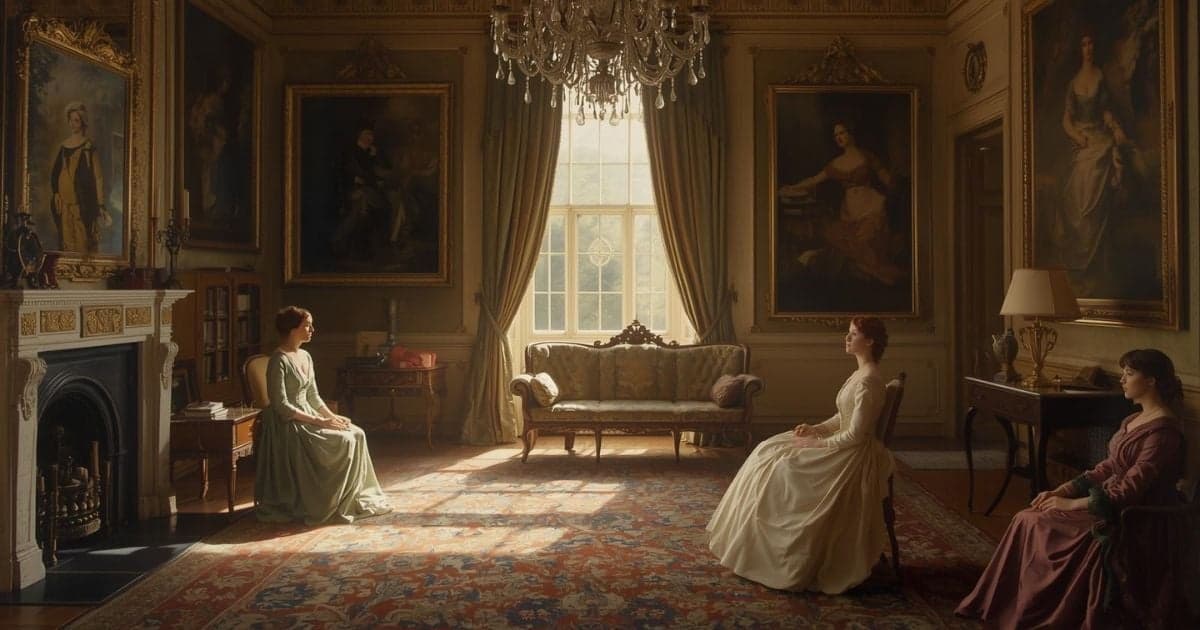
Anna's warm reception of his solo visit contrasts sharply with the awkwardness of the group visit. She values authentic individual connection over social obligations or group dynamics.
In Today's Words:
I'm glad you came by yourself - that's what I really wanted.
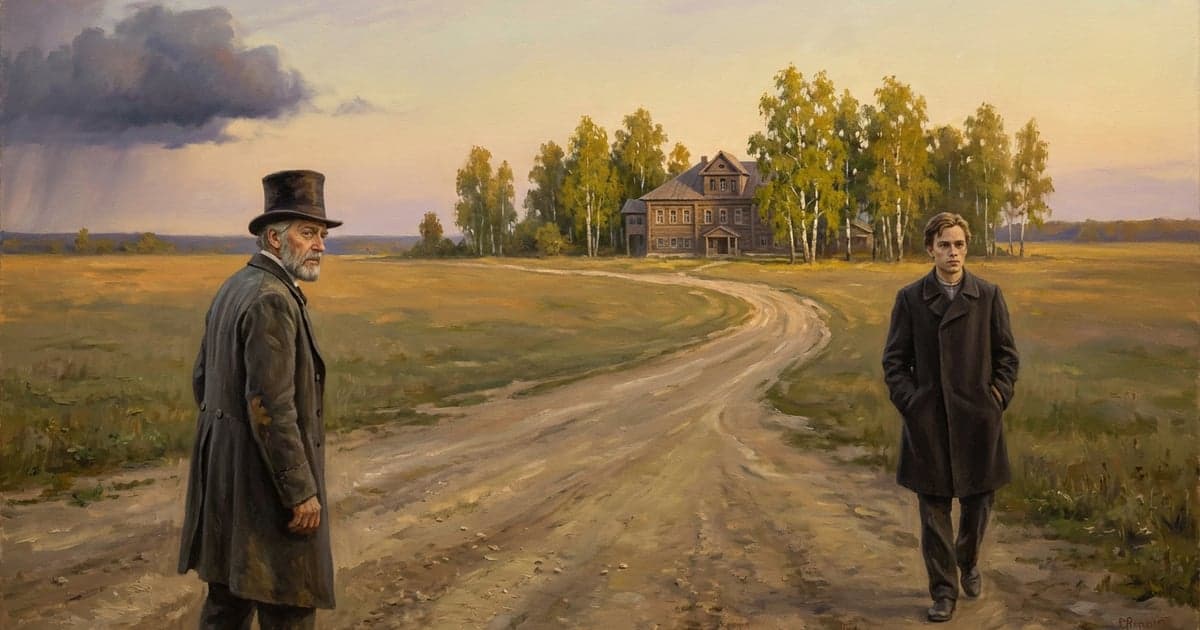
"The younger man's heart was heavy with the sort of unreasoning depression which is known only to youth"
Context: Describing Arkady's emotional state during the journey
Turgenev captures that specific type of young adult angst - intense feelings without clear cause or solution. This validates the emotional turbulence of figuring out who you are and what you want.
In Today's Words:
He had that heavy feeling you get in your twenties when everything feels wrong but you can't explain why.
Thematic Threads
Vulnerability
In This Chapter
Arkady's terror about visiting Anna alone transforms into genuine connection when he finally takes the risk
Development
Evolved from earlier chapters where characters hide behind social roles and expectations
In Your Life:
You might recognize this when you avoid difficult conversations by bringing allies, then wonder why nothing gets resolved.
Authenticity
In This Chapter
The group visit feels forced and awkward, while Arkady's solo visit allows for real warmth and connection
Development
Building on previous themes about performance versus genuine self-expression
In Your Life:
You might see this in how differently you act one-on-one versus in groups, even with the same people.
Personal Growth
In This Chapter
Arkady finally acts independently, making his own choice despite Bazarov's likely disapproval
Development
Marks a turning point from his earlier dependence on Bazarov's approval
In Your Life:
You might recognize this when you realize you've been seeking permission for decisions that are ultimately yours alone.
Class
In This Chapter
The family letters reveal historical connections between estates, showing how relationships transcend immediate social barriers
Development
Continues exploring how personal connections can bridge social divisions
In Your Life:
You might see this when you discover unexpected common ground with someone you assumed was 'different' from you.
Isolation
In This Chapter
Nikolai's joy at his son's return highlights how leadership and responsibility can create profound loneliness
Development
Introduced here as a counterpoint to the connection themes
In Your Life:
You might recognize this if you've ever felt most alone when surrounded by people who need things from you.
You now have the context. Time to form your own thoughts.
Discussion Questions
- 1
Why does the joint visit to Anna's estate feel so awkward, while Arkady's solo visit goes smoothly?
analysis • surface - 2
What role does Bazarov's presence play in sabotaging Arkady's ability to connect authentically with Anna?
analysis • medium - 3
Think about your own relationships - when have you used friends or family as 'emotional shields' to avoid direct, vulnerable conversations?
application • medium - 4
Arkady feels like 'a young soldier heading to his first duel' when traveling alone to see Anna. When has taking a solo risk felt terrifying but turned out to be exactly what you needed to do?
application • deep - 5
What does this chapter reveal about the difference between authentic connection and performing for an audience?
reflection • deep
Critical Thinking Exercise
Map Your Emotional Shield Patterns
Think of a current situation where you're avoiding a direct conversation or action. Write down who you typically bring along (physically or emotionally) as backup. Then imagine having that conversation or taking that action completely alone. What specifically scares you about the solo approach? What might you gain?
Consider:
- •Notice the difference between legitimate need for support versus fear of authentic vulnerability
- •Consider how group dynamics might be preventing the very connection you're seeking
- •Think about small, low-stakes ways you could practice taking solo risks
Journaling Prompt
Write about a time when you finally did something alone that you'd been avoiding. What did you discover about yourself or the situation that surprised you?
Coming Up Next...
Chapter 23: The Garden Encounter
With Arkady gone on his solo mission, Bazarov throws himself into his work with newfound intensity. But his isolation at Marino, combined with the changed dynamics between all the characters, sets the stage for deeper revelations about what each man truly wants from life.