Master this chapter. Complete your experience
Purchase the complete book to access all chapters and support classic literature
As an Amazon Associate, we earn a small commission from qualifying purchases at no additional cost to you.
Available in paperback, hardcover, and e-book formats
Why This Matters
Connect literature to life
This chapter teaches you to predict when challenging someone's beliefs will strengthen rather than weaken them. If the belief is core to their identity, direct challenge triggers defense.
Practice This Today
This week, before challenging someone's belief, ask: Is this belief central to their identity? If yes, will my challenge be heard as attack? If so, what question could I ask instead that lets them discover the contradiction themselves?
Now let's explore the literary elements.
Key Quotes & Analysis
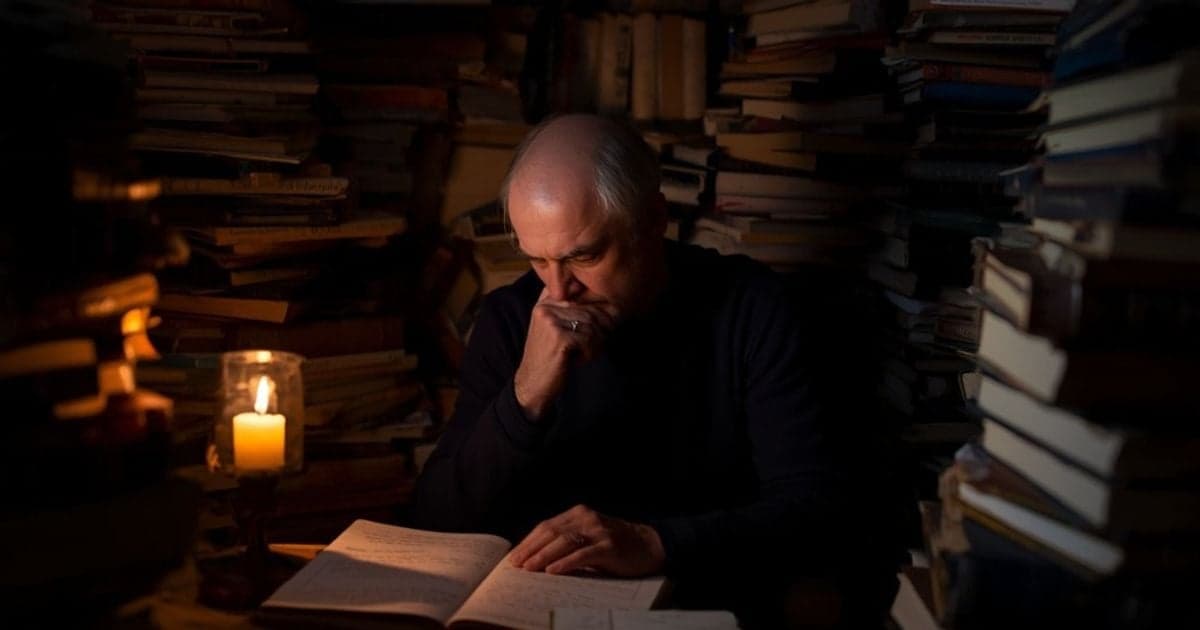
"Some must have been consumed that deserved preservation in everlasting archives, but their fate and the laziness of the examiner did not permit it, and so in them was verified the proverb that the innocent suffer for the guilty."
Context: Books being burned indiscriminately
Cervantes commenting on collateral damage of censorship. When you start burning books in categories, good ones get destroyed with bad ones. 'Laziness of the examiner' means even well-intentioned censors eventually just stop discriminating and burn everything that fits.
In Today's Words:
Some good books got destroyed just because the people doing the burning got tired and stopped checking carefully.
"He is a sage magician, a great enemy of mine, who has a spite against me because he knows by his arts and lore that in process of time I am to engage in single combat with a knight whom he befriends and that I am to conquer."
Context: Explaining why the enchanter Friston stole his books
He's not just accepting the lie—he's providing theological backstory that makes it make sense. His brain fills in why this would happen, making the fake story more real than the truth. This is how delusion self-reinforces: every challenge becomes proof of the delusion's importance.
In Today's Words:
This powerful wizard is my enemy because he knows I'm destined to win a future battle, so he's trying to stop me preemptively.
"In a word, he so talked him over, and with such persuasions and promises, that the poor clown made up his mind to sally forth with him and serve him as esquire."
Context: Quixote recruiting Sancho Panza
Sancho is called a 'poor clown'—both literally poor and metaphorically foolish for believing empty promises. But note 'talked him over'—this wasn't instant belief. It took sustained persuasion. Desperation makes people vulnerable to impossible promises.
In Today's Words:
He sweet-talked the poor fool until he agreed to come along despite knowing better.
"Without taking leave, Sancho Panza of his wife and children, or Don Quixote of his housekeeper and niece, they sallied forth unseen by anybody from the village one night."
Context: Leaving for the second sally
They sneak out like thieves because they know their families would stop them. No goodbyes means no chance for reality checks. Quixote learned one thing from his first disaster: don't tell people your plans if you want to execute them.
In Today's Words:
They left in the middle of the night without telling anyone because they knew their families would try to stop this insanity.
Thematic Threads
Identity
In This Chapter
Quixote's famous 'I know who I am' line—asserting the right to self-define even when everyone disagrees. His identity is chosen, not assigned, and no amount of contradiction will change it.
Development
Reaching the point where identity becomes non-negotiable regardless of reality
In Your Life:
You might recognize the moment when you decided who you were regardless of others' opinions—for better or worse
Class
In This Chapter
Sancho Panza's introduction brings class tension explicitly into the story—a poor peasant serving a delusional gentleman, both hoping for social elevation through fantasy
Development
Adding the class dynamic of servant to master, pragmatist to idealist
In Your Life:
You might notice relationships where someone of lower status serves someone else's vision hoping it elevates them too
Social Expectations
In This Chapter
Both Quixote and Sancho sneak out without saying goodbye because social expectations (family would stop them) conflict with personal desires
Development
Showing how people evade social control when it conflicts with their goals
In Your Life:
You might remember times you hid your plans from people who'd try to talk you out of them
Personal Growth
In This Chapter
Complete absence of growth—Quixote learned nothing from the first sally, and his friends' intervention made him more convinced, not less
Development
Demonstrating how delusion blocks learning and how interventions can backfire
In Your Life:
You might notice patterns where challenges to your beliefs made you more convinced, not less
You now have the context. Time to form your own thoughts.
Discussion Questions
- 1
How does Don Quixote turn the fake enchanter story into confirmation of his importance?
analysis • surface - 2
Why does the curate's intervention backfire—making Quixote more convinced rather than less?
analysis • medium - 3
What makes Sancho Panza agree to follow Don Quixote despite knowing the promises are probably empty?
analysis • deep - 4
Have you ever had someone challenge a belief you held strongly? Did it make you doubt or defend? Why?
reflection • medium - 5
When does desperation make people vulnerable to impossible promises? How can you tell the difference between hopeful optimism and wishful thinking?
application • deep
Critical Thinking Exercise
Challenge Response Audit
Think of a belief you hold that others have challenged. Write down: 1) What the challenge was, 2) Your immediate emotional response, 3) Whether you considered changing your view or immediately defended it, 4) Why you responded that way. Then ask: Was this belief core to your identity? Did the challenge feel like an attack? Could you have heard the same information from someone else and actually considered it?
Consider:
- •Notice whether challenges to the belief feel like challenges to your worth as a person
- •Consider whether you'd rather be right than happy
- •Think about what it would cost you to admit you might be wrong about this
Journaling Prompt
Write about a belief you used to hold strongly that you later changed. What made you able to change it? What had to shift before you could consider alternatives?
Coming Up Next...
Chapter 8: Tilting at Windmills
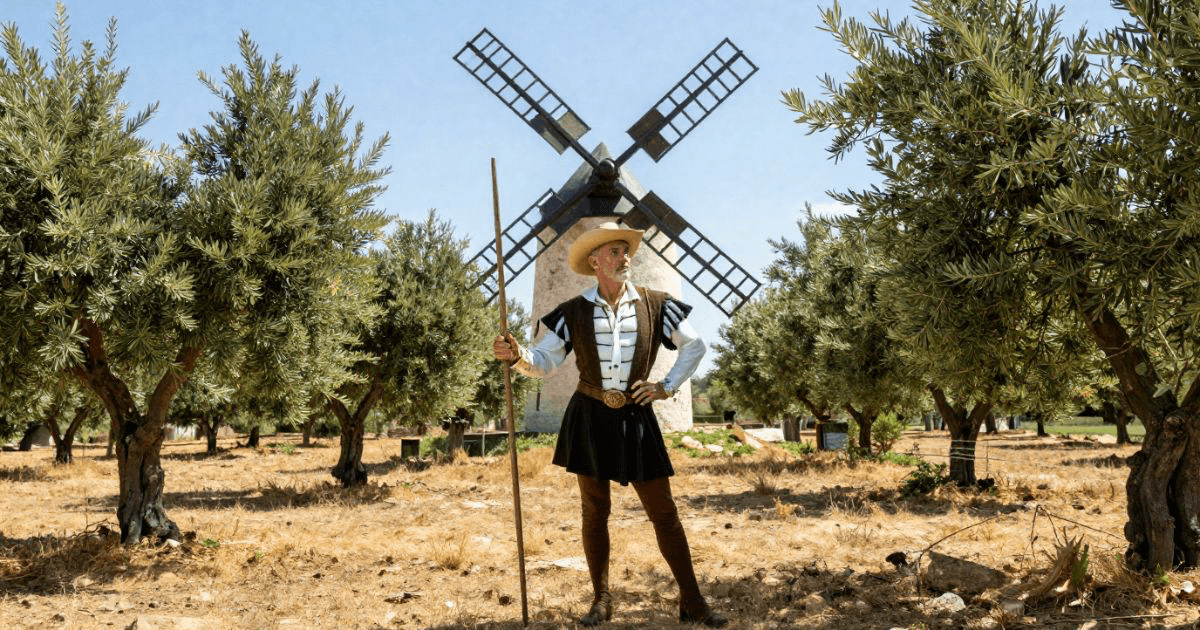
Finally, the moment everyone knows: the windmills. Don Quixote sees giants with long arms. Sancho sees windmills. Both are looking at the same things. Only one is right. Watch what happens when delusion attacks reality with a lance.