Chapter 35
Wine-Skins, a Giant's Head, and Anselmo's End
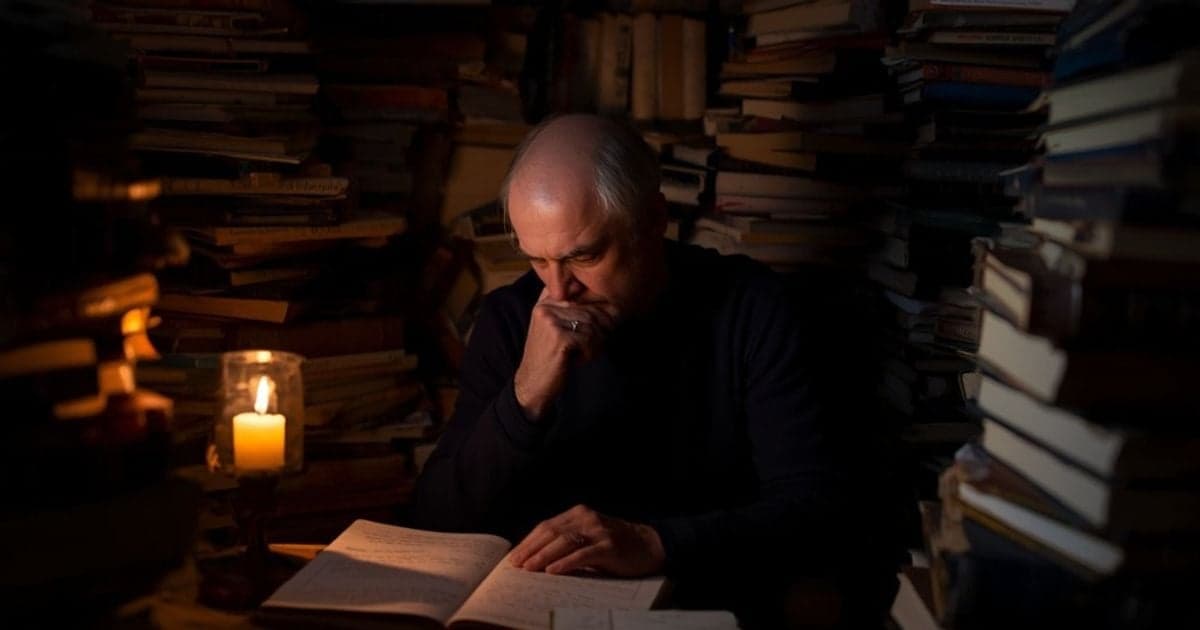
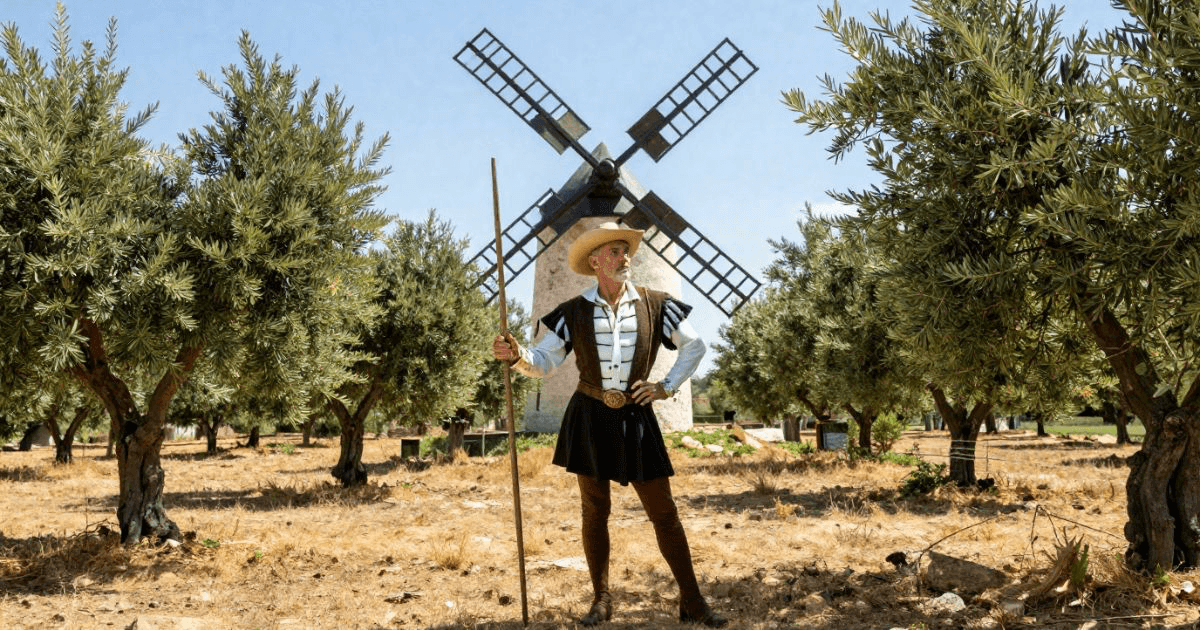
WHICH TREATS OF THE HEROIC AND PRODIGIOUS BATTLE DON QUIXOTE HAD WITH CERTAIN SKINS OF RED WINE, AND BRINGS THE NOVEL OF “THE ILL-ADVISED CURIOSITY” TO A CLOSE There remained but little more of the novel to be read, when Sancho Panza burst forth in wild excitement from the garret where Don Quixote was lying, shouting, “Run, sirs! quick; and help my master, who is in the thick of the toughest and stiffest battle I ever laid eyes on. By the living God he has given the giant, the enemy of my lady the Princess Micomicona, such a slash that…
Public-domain chapter text, formatted for reading.
Master this chapter. Complete your experience
Purchase the complete book to access all chapters and support classic literature

Available in paperback, hardcover, and e-book formats
Now let's explore the literary elements.
Key Quotes & Analysis
"such a slash that he has sliced his head clean off as if it were a turnip."
Context: Bursting in while the curate reads the novel
Sancho sees the inner story as fact. The promised county depends on a head that was never there.
In Today's Words:
He cut the giant's head off like it was a turnip The same dynamic turns up in offices, relationships, and public life today, wherever someone bends circumstances to fit a story they cannot put down The same dynamic turns up in offices, relationships, and public life today, wherever someone bends circumstances to fit a story
"Don Quixote or Don Devil has not been slashing some of the skins of red wine that stand full at his bed’s head, and the spilt wine must be what this good fellow takes for blood;"
Context: Explaining the garret disaster
Fantasy sends the bill to the innkeeper. The battle was inventory, not a giant.
In Today's Words:
He's not fighting a giant. He's stabbing the wine skins by his bed The same dynamic turns up in offices, relationships, and public life today, wherever someone bends circumstances to fit a story they cannot put down The same dynamic turns up in offices, relationships, and public life today, wherever someone bends circumstances to fit
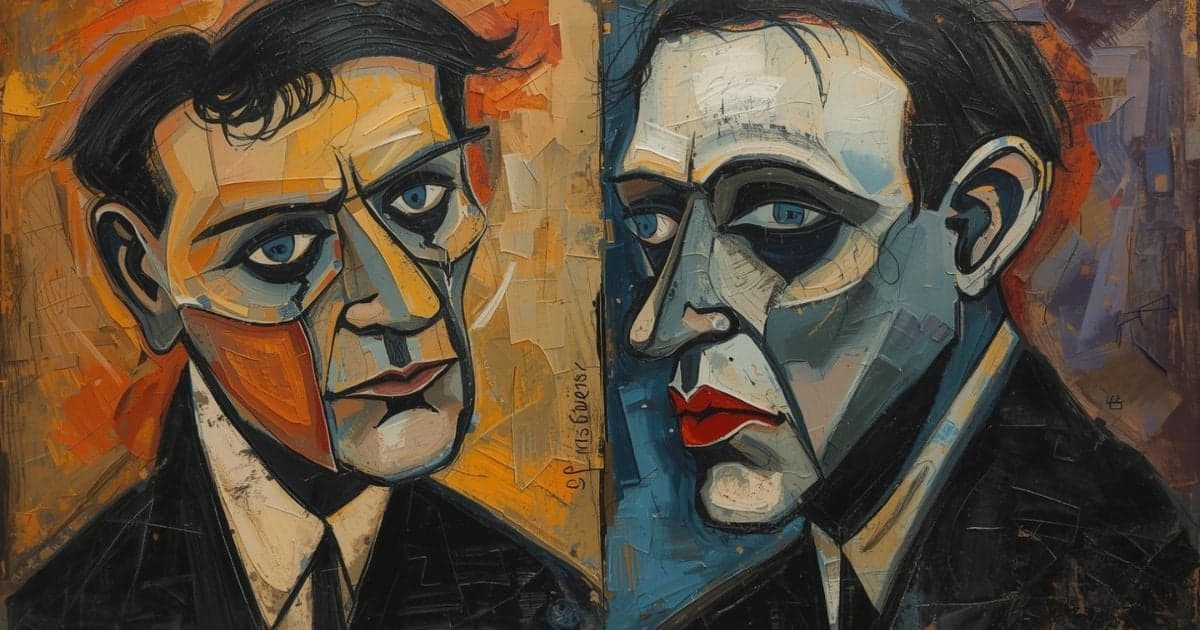
"A foolish and ill-advised desire has robbed me of life."
Context: His unfinished death note
The embedded novel closes on the bill curiosity sends to the curious.
In Today's Words:
A stupid test I insisted on cost me my life The same dynamic turns up in offices, relationships, and public life today, wherever someone bends circumstances to fit a story they cannot put down The same dynamic turns up in offices, relationships, and public life today, wherever someone bends circumstances to fit a story they
"I like this novel,” said the curate; “but I cannot persuade myself of its truth; and if it has been invented, the author’s invention is faulty, for it is impossible to imagine any husband so foolish as to try such a costly experiment as Anselmo’s."
Context: After Anselmo, Camilla, and Lothario are all dead
Cervantes winks at the frame. The curate doubts Anselmo while Quixote sleeps upstairs.
In Today's Words:
Good story, but no real husband would be that foolish The same dynamic turns up in offices, relationships, and public life today, wherever someone bends circumstances to fit a story they cannot put down The same dynamic turns up in offices, relationships, and public life today, wherever someone bends circumstances to fit a story they
Thematic Threads
When Fantasy Sends the Bill
In This Chapter
The curate is finishing the novel when Sancho bursts in shouting that Don Quixote has beheaded the Micomicona giant like a turnip.
Development
This chapter pushes the pattern into visible action and consequence.
In Your Life:
You may recognize this pattern when stress removes the polite version of a situation.
Identity
In This Chapter
Characters defend who they are or who they pretend to be when challenged.
Development
Fantasy and reality collide around name, rank, and role.
In Your Life:
You might cling to a version of yourself that no longer matches your choices.
Class
In This Chapter
Rank, money, and reputation decide who is heard, protected, or punished.
Development
Social order shapes every rescue, betrayal, and humiliation here.
In Your Life:
You see this when status decides whose account of events becomes official.
You now have the context. Time to form your own thoughts.
Discussion Questions
This is not a test. Five prompts guide you through the chapter, from how it opens to how it closes, so you notice context and rhythm rather than facts to memorize. Sit with each question in your own words. When you see "One way to read it," treat it as a starting point, not the only answer.
- 1
When the landlord explains that Don Quixote slashed wine skins, not a giant, why does Sancho still insist he saw the giant's head and blood?
analysis • surfaceOne way to read it
Sancho refuses to accept the wine explanation, claiming everything in the inn happens by enchantment. He's so invested in his master's promises of a county that he won't let reality destroy his hopes.
- 2
Why does Cervantes have the curate criticize the novel's believability right after showing Don Quixote's absurd wine-skin battle?
analysis • mediumOne way to read it
The curate calls Anselmo's experiment impossible while ignoring the equally impossible delusions happening around him. Cervantes shows how people judge fiction harshly but accept real-life absurdity.
- 3
Where do you see people today refusing to acknowledge when their dreams have caused real damage, like the wine-soaked inn?
application • mediumOne way to read it
People pursuing unrealistic goals often ignore the costs to family finances, relationships, or responsibilities, insisting their dreams justify any collateral damage.
- 4
If you had to choose between protecting someone's hopeful delusions or forcing them to face costly reality, what would guide your decision?
application • deepOne way to read it
Consider both the immediate harm (like the landlord's losses) and long-term consequences. Sometimes gentle reality-checking prevents bigger disasters, but timing and compassion matter.
- 5
What does Anselmo's death mid-sentence about foolish curiosity reveal about the relationship between our inner stories and outer consequences?
reflection • deepOne way to read it
Both Anselmo and Don Quixote create elaborate internal narratives that destroy real relationships and property. Our private fantasies always send bills to the actual world.
Critical Thinking Exercise
Name the When Fantasy Sends the Bill Move
Re-read the chapter summary and write down where when fantasy sends the bill first appears, who pays for it, and who benefits from keeping it going. Then write one sentence you could say to interrupt the pattern without shaming the person caught in it.
Consider:
- •Separate the person's worth from the pattern's cost
- •Notice who has power to stop or fuel the scene
- •Ask what truth would require someone to give up
Journaling Prompt
Write about a time when you saw when fantasy sends the bill in your own life. What finally made the pattern impossible to ignore?
Coming Up Next...
Chapter 36: The Veiled Riders and Dorothea's Reckoning
Just at that instant the landlord, who was standing at the gate of the inn, exclaimed, “Here comes a fine troop of guests; if they stop here we may say _gaudeamus_.”