Master this chapter. Complete your experience
Purchase the complete book to access all chapters and support classic literature

As an Amazon Associate, we earn a small commission from qualifying purchases at no additional cost to you.
Available in paperback, hardcover, and e-book formats
Why This Matters
Connect literature to life
This chapter teaches how to separate legitimate concerns from emotional manipulation disguised as care.
Practice This Today
This week, notice when someone says you're 'hurting' them by maintaining a boundary—ask yourself if you actually broke a commitment or if they just don't like your choice.
Now let's explore the literary elements.
Key Quotes & Analysis
"I was born free, and that I might live free I chose the solitude of the fields"
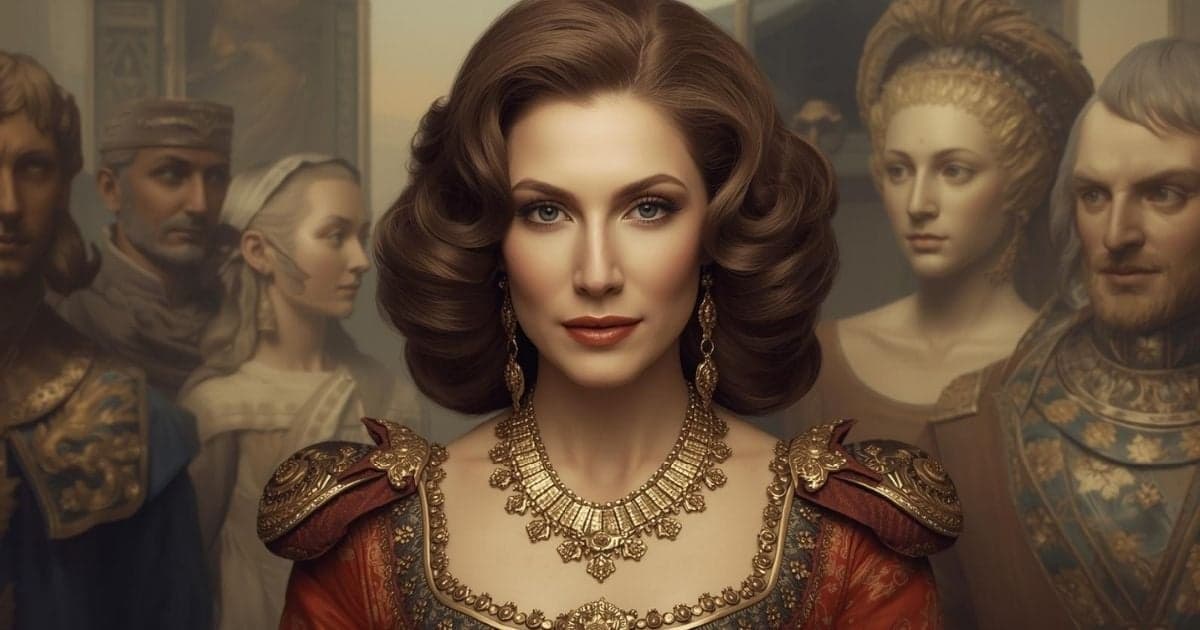
Context: Marcela defending her choice to remain single and independent
This is a revolutionary statement for its time - a woman claiming her right to choose her own path. Marcela refuses to be defined by others' desires and asserts that freedom is her birthright, not something she needs to earn or justify.
In Today's Words:
I don't owe anyone a relationship - I chose to be single and that's my right
"Am I perchance bound to love all those who love me?"
Context: Responding to accusations that she's cruel for not returning Chrysostom's love
Marcela cuts to the heart of the matter - being loved doesn't create an obligation to love back. This challenges the entire foundation of courtly love and male entitlement to women's affection.
In Today's Words:
Just because someone has feelings for me doesn't mean I have to feel the same way
"I have never given anyone hope, and therefore none can say I have deceived him"
Context: Defending herself against charges of leading men on
Marcela distinguishes between honesty and cruelty. She was clear about her intentions from the start, making men's persistence their choice, not her fault. This shifts blame from the woman to those who ignored her clear boundaries.
In Today's Words:
I was upfront about not being interested - if you kept hoping anyway, that's on you
Thematic Threads
Personal Autonomy
In This Chapter
Marcela asserts her right to live unmarried and independent, refusing to let others dictate her life choices
Development
Introduced here as a powerful counter-narrative to social expectations
In Your Life:
You might face pressure to justify major life choices like staying single, changing careers, or moving away from family
Social Expectations
In This Chapter
Society expects beautiful women to be available to men and blames them when men suffer from unrequited love
Development
Building on earlier themes of how society punishes those who don't conform
In Your Life:
You might face judgment for not following traditional paths like marriage, parenthood, or conventional career choices
Accountability
In This Chapter
Marcela refuses to accept responsibility for Chrysostom's death, pointing out she never deceived him
Development
Introduced here as a challenge to misplaced blame
In Your Life:
You might be blamed for other people's poor reactions to your honest communications or reasonable boundaries
Honesty vs Kindness
In This Chapter
Marcela's honest rejection is seen as cruelty, though she never gave false hope
Development
Introduced here as the tension between truth-telling and social harmony
In Your Life:
You might struggle with whether to be direct about your feelings or soften the message to avoid conflict
Identity
In This Chapter
Marcela defines herself by her own values and choices rather than others' desires for her
Development
Evolving from Don Quixote's self-created identity to show healthy self-definition
In Your Life:
You might need to resist others' attempts to define who you should be based on their needs or expectations
You now have the context. Time to form your own thoughts.
Discussion Questions
- 1
What specific arguments does Marcela make to defend herself against the accusations that she caused Chrysostom's death?
analysis • surface - 2
Why do you think the community was so quick to blame Marcela for Chrysostom's suicide rather than holding him responsible for his own choices?
analysis • medium - 3
Where do you see this same pattern today—someone setting clear boundaries but getting blamed when others can't handle those limits?
application • medium - 4
If you were in Marcela's position, facing a community that blamed you for someone else's extreme reaction to your boundaries, how would you handle the situation?
application • deep - 5
What does this chapter reveal about how society often makes boundary-setters responsible for other people's emotional reactions?
reflection • deep
Critical Thinking Exercise
Boundary Audit: Map Your Own Patterns
Think of a time when you set a clear boundary (said no to extra work, declined a social invitation, ended a relationship, etc.) and faced pushback or guilt-trips. Write down what boundary you set, how you communicated it, and what reactions you received. Then analyze: were you blamed for other people's inability to accept your decision?
Consider:
- •Notice if you started doubting yourself or feeling guilty for maintaining reasonable limits
- •Identify who supported your right to set boundaries versus who tried to make you responsible for others' reactions
- •Consider whether the people pushing back had their own interests in getting you to change your mind
Journaling Prompt
Write about a boundary you need to set but have been avoiding because you fear the reaction. What would Marcela's approach teach you about standing firm despite potential backlash?
Coming Up Next...
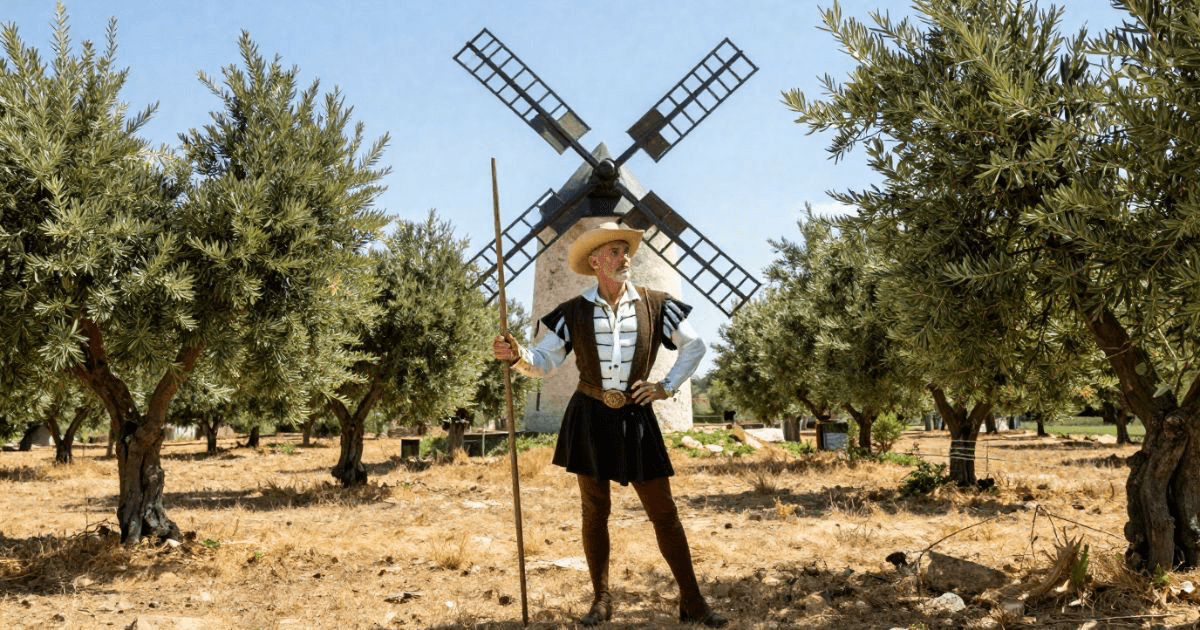
Chapter 35: When Reality Meets Delusion
Don Quixote sets off to find Marcela and offer his services, but his quest takes an unexpected turn when he encounters some rough Yanguesan carriers. His chivalric ideals are about to meet a harsh reality that will leave both knight and squire worse for wear.