Chapter 28
Dorothea in the Sierra
WHICH TREATS OF THE STRANGE AND DELIGHTFUL ADVENTURE THAT BEFELL THE CURATE AND THE BARBER IN THE SAME SIERRA Happy and fortunate were the times when that most daring knight Don Quixote of La Mancha was sent into the world; for by reason of his having formed a resolution so honourable as that of seeking to revive and restore to the world the long-lost and almost defunct order of knight-errantry, we now enjoy in this age of ours, so poor in light entertainment, not only the charm of his veracious history, but also of the tales and episodes contained in…
Public-domain chapter text, formatted for reading.
Master this chapter. Complete your experience
Purchase the complete book to access all chapters and support classic literature
Available in paperback, hardcover, and e-book formats
Now let's explore the literary elements.
Key Quotes & Analysis
"O God! is it possible I have found a place that may serve as a secret grave for the weary load of this body that I support so unwillingly?"
Context: Her voice interrupts the curate before he can comfort Cardenio
The chapter opens with a new grief demanding to be heard before the old one is soothed. Pain queues up in the wilderness.
In Today's Words:
God, can these mountains finally be the grave I want The same dynamic turns up in offices, relationships, and public life today, wherever someone bends circumstances to fit a story they cannot put down The same dynamic turns up in offices, relationships, and public life today, wherever someone bends circumstances to fit a story they
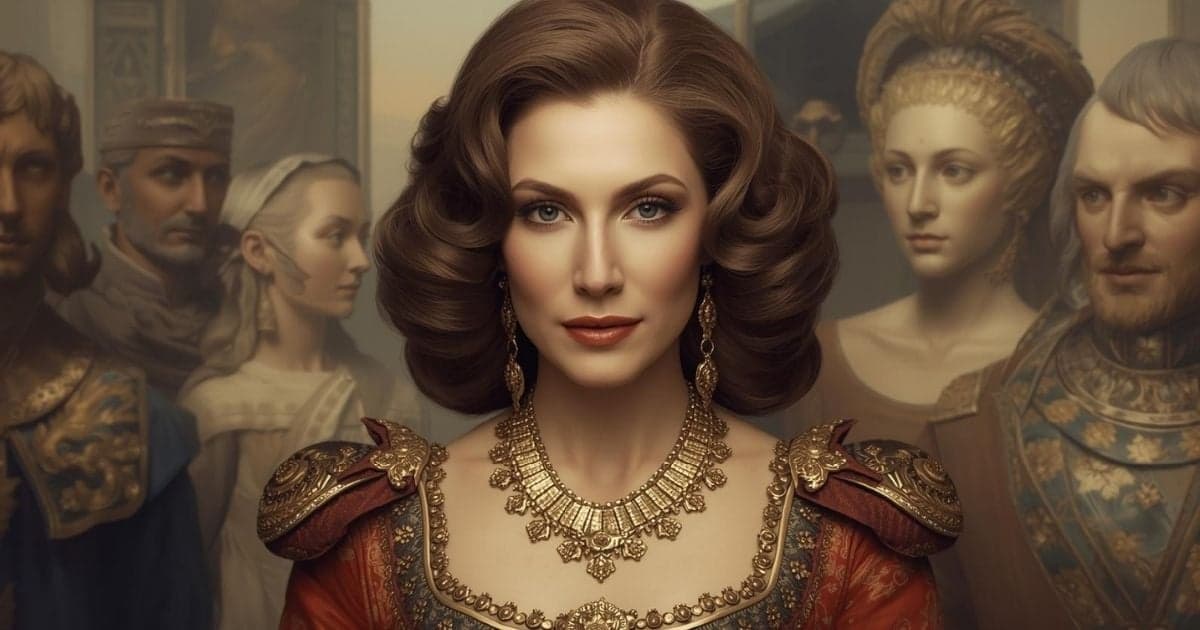
"Since the solitude of these mountains has been unable to conceal me, and the escape of my dishevelled tresses will not allow my tongue to deal in falsehoods,"
Context: She drops the peasant disguise and agrees to tell her story
Once exposed, she chooses confession over costume. Her hair forces honesty the way Cardenio's madness forced his.
In Today's Words:
The mountains couldn't hide me, and my hair won't let me lie anymore The same dynamic turns up in offices, relationships, and public life today, wherever someone bends circumstances to fit a story they cannot put down The same dynamic turns up in offices, relationships, and public life today, wherever someone bends circumstances to fit
"I am your vassal, but I am not your slave; your nobility neither has nor should have any right to dishonour or degrade my humble birth;"
Context: The night he entered her locked chamber
She draws a line between duty and ownership. Fernando treats both as the same thing.
In Today's Words:
I owe you service, not my body. Your rank does not buy my honor The same dynamic turns up in offices, relationships, and public life today, wherever someone bends circumstances to fit a story they cannot put down The same dynamic turns up in offices, relationships, and public life today, wherever someone bends circumstances to
"she had consented to be his bride by saying ‘Yes,’ she was taken with a sudden fainting fit, and that on the bridegroom approaching to unlace the bosom of her dress to give her air, he found a paper in her own handwriting,"
Context: She tells what happened at Fernando and Luscinda's betrothal
The same syllable Cardenio heard behind the tapestries returns in another witness's mouth. The stories lock together.
In Today's Words:
She said Yes, then fainted, and they found her letter to Cardenio in her dress The same dynamic turns up in offices, relationships, and public life today, wherever someone bends circumstances to fit a story they cannot put down The same dynamic turns up in offices, relationships, and public life today, wherever someone bends circumstances
Thematic Threads
Hearing the Same Betrayer Twice
In This Chapter
The curate is about to comfort Cardenio when a woman's voice asks the mountains to be her grave.
Development
This chapter pushes the pattern into visible action and consequence.
In Your Life:
You may recognize this pattern when stress removes the polite version of a situation.
Identity
In This Chapter
Characters defend who they are or who they pretend to be when challenged.
Development
Fantasy and reality collide around name, rank, and role.
In Your Life:
You might cling to a version of yourself that no longer matches your choices.
Class
In This Chapter
Rank, money, and reputation decide who is heard, protected, or punished.
Development
Social order shapes every rescue, betrayal, and humiliation here.
In Your Life:
You see this when status decides whose account of events becomes official.
You now have the context. Time to form your own thoughts.
Discussion Questions
This is not a test. Five prompts guide you through the chapter, from how it opens to how it closes, so you notice context and rhythm rather than facts to memorize. Sit with each question in your own words. When you see "One way to read it," treat it as a starting point, not the only answer.
- 1
Why does Dorothea say she feels bound to tell her story even though she would prefer to keep it secret?
analysis • surfaceOne way to read it
She explains that being discovered as a young woman alone in men's clothing would destroy her reputation, so she must tell the truth to preserve her honor in their minds.
- 2
Why does Cervantes have Cardenio recognize Don Fernando's name before Dorothea mentions Luscinda?
analysis • mediumOne way to read it
This creates dramatic irony where readers know the stories will connect before the characters do, building tension as we wait for the full revelation of their shared betrayer.
- 3
Where do you see people today having to choose between protecting their reputation and telling an uncomfortable truth?
application • mediumOne way to read it
Social media scandals, workplace harassment cases, or family secrets where speaking up might damage relationships but staying silent enables harm to continue.
- 4
How should someone respond when they discover their story of betrayal connects to another person's pain?
application • deepOne way to read it
Like Cardenio restraining himself to hear Dorothea's full story first, listening completely before sharing your own experience shows respect and often reveals helpful connections.
- 5
What does Dorothea's journey from protected daughter to disguised survivor reveal about how identity can be both fragile and resilient?
reflection • deepOne way to read it
Her external identity was easily destroyed by one man's betrayal, yet her core sense of honor and determination to survive remained strong enough to carry her through multiple dangers.
Critical Thinking Exercise
Name the Hearing the Same Betrayer Twice Move
Re-read the chapter summary and write down where hearing the same betrayer twice first appears, who pays for it, and who benefits from keeping it going. Then write one sentence you could say to interrupt the pattern without shaming the person caught in it.
Consider:
- •Separate the person's worth from the pattern's cost
- •Notice who has power to stop or fuel the scene
- •Ask what truth would require someone to give up
Journaling Prompt
Write about a time when you saw hearing the same betrayer twice in your own life. What finally made the pattern impossible to ignore?
Coming Up Next...
Chapter 29: Princess Micomicona Lures Quixote Home
“Such, sirs, is the true story of my sad adventures; judge for yourselves now whether the sighs and lamentations you heard, and the tears that flowed from my eyes, had not sufficient cause even if I had indulged in....