Chapter 116
Ana Felix, the Renegade, and the Knight of the White Moon
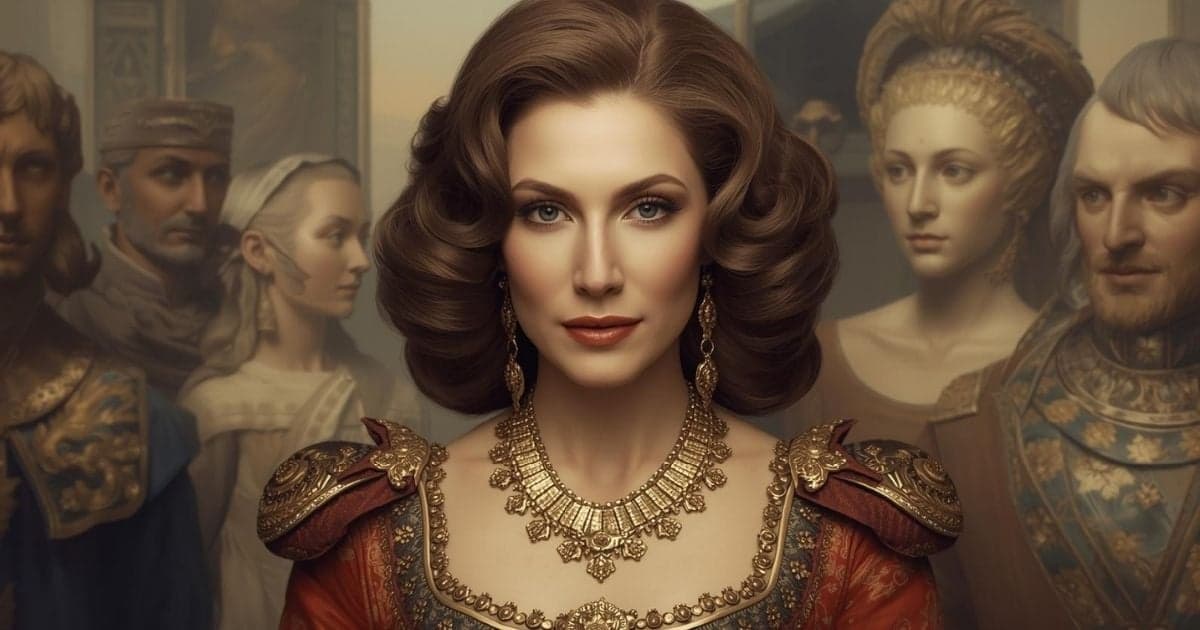
CHAPTER LXIV. TREATING OF THE ADVENTURE WHICH GAVE DON QUIXOTE MORE UNHAPPINESS THAN ALL THAT HAD HITHERTO BEFALLEN HIM The wife of Don Antonio Moreno, so the history says, was extremely happy to see Ana Felix in her house. She welcomed her with great kindness, charmed as well by her beauty as by her intelligence; for in both respects the fair Morisco was richly endowed, and all the people of the city flocked to see her as though they had been summoned by the ringing of the bells. Don Quixote told Don Antonio that the plan adopted for releasing Don…
Public-domain chapter text, formatted for reading.
Master this chapter. Complete your experience
Purchase the complete book to access all chapters and support classic literature
Available in paperback, hardcover, and e-book formats
Now let's explore the literary elements.
Key Quotes & Analysis
"remedy for everything except death"
Context: On reaching Barbary by ship
Quixote refuses to admit the sea blocks his plan.
In Today's Words:
Everything has a fix except death The same dynamic turns up in offices, relationships, and public life today, wherever someone bends circumstances to fit a story they cannot put down The same dynamic turns up in offices, relationships, and public life today, wherever someone bends circumstances to fit a story they cannot put down.
"had you seen her I know you would have taken care not to venture yourself upon this issue"
Context: Accepting the duel
Quixote swears Dulcinea's beauty ends the dispute.
In Today's Words:
If you had seen her, you would not dare this fight The same dynamic turns up in offices, relationships, and public life today, wherever someone bends circumstances to fit a story they cannot put down The same dynamic turns up in offices, relationships, and public life today, wherever someone bends circumstances to fit a story
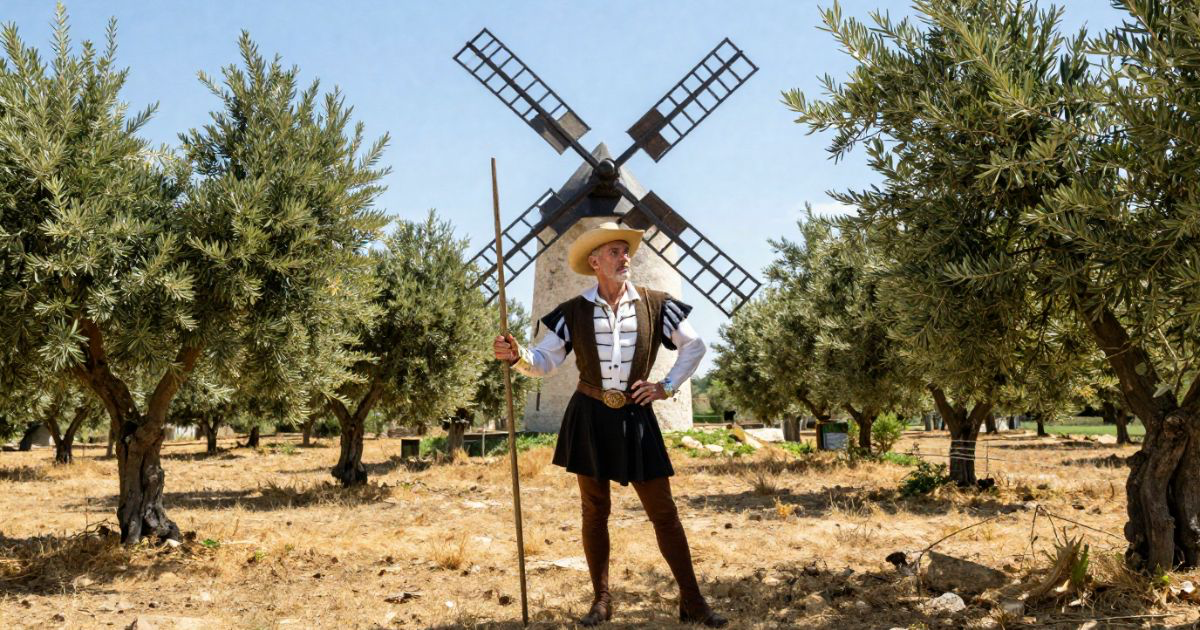
"Dulcinea del Toboso is the fairest woman in the world, and I the most unfortunate knight on earth"
Context: Defeated on the sand
He saves Dulcinea's fame even in defeat.
In Today's Words:
Dulcinea is fairest; I am the unluckiest knight alive The same dynamic turns up in offices, relationships, and public life today, wherever someone bends circumstances to fit a story they cannot put down The same dynamic turns up in offices, relationships, and public life today, wherever someone bends circumstances to fit a story they cannot
"He fancied that all was a dream, that the whole business was a piece of enchantment."
Context: Sancho after the fall
Sancho cannot absorb a real defeat.
In Today's Words:
He thought it was all a dream and enchantment The same dynamic turns up in offices, relationships, and public life today, wherever someone bends circumstances to fit a story they cannot put down The same dynamic turns up in offices, relationships, and public life today, wherever someone bends circumstances to fit a story they cannot
Thematic Threads
When the White Moon Ends the Knight's Road on the Beach
In This Chapter
Don Antonio's wife welcomes Ana Felix with great kindness, and the city flocks to see the fair Morisco.
Development
This chapter pushes the pattern into visible action and consequence.
In Your Life:
You may recognize this pattern when stress removes the polite version of a situation.
Identity
In This Chapter
Characters defend who they are or who they pretend to be when challenged.
Development
Fantasy and reality collide around name, rank, and role.
In Your Life:
You might cling to a version of yourself that no longer matches your choices.
Class
In This Chapter
Rank, money, and reputation decide who is heard, protected, or punished.
Development
Social order shapes every rescue, betrayal, and humiliation here.
In Your Life:
You see this when status decides whose account of events becomes official.
You now have the context. Time to form your own thoughts.
Discussion Questions
This is not a test. Five prompts guide you through the chapter, from how it opens to how it closes, so you notice context and rhythm rather than facts to memorize. Sit with each question in your own words. When you see "One way to read it," treat it as a starting point, not the only answer.
- 1
When the Knight of the White Moon defeats Don Quixote, why does he spare his life and only demand retirement instead of killing him?
analysis • surfaceOne way to read it
The White Moon says he requires only that Don Quixote retire home for a year without adventures, sparing his life while achieving his goal of stopping the knight-errant's quests.
- 2
Why does Cervantes have the White Moon defeat Quixote without even touching him with his lance, holding it high on purpose?
analysis • mediumOne way to read it
This shows the defeat comes not from superior combat skill but from superior strategy and speed, making Quixote's fall seem almost inevitable rather than heroic.
- 3
Where do you see people today being forced to abandon their dreams or passions by someone with more practical power?
application • mediumOne way to read it
Like artists forced to take corporate jobs for financial security, or activists silenced by legal threats. The dreamer often loses to those with more resources or authority.
- 4
If you had to choose between pursuing an impossible dream that might hurt others or accepting a safe but limiting compromise, what would guide your decision?
application • deepOne way to read it
One approach would be weighing whether the dream serves others or just yourself, and whether the compromise allows some version of your values to continue, like Quixote keeping Dulcinea's honor.
- 5
What does Sancho's reaction to his master's defeat reveal about how we respond when someone else's idealism shapes our own hopes?
reflection • deepOne way to read it
Sancho sees his own promises 'swept away like smoke,' showing how we can become so invested in another's vision that their failure devastates our practical plans too.
Critical Thinking Exercise
Name the When the White Moon Ends the Knight's Road on the Beach Move
Re-read the chapter summary and write down where when the white moon ends the knight's road on the beach first appears, who pays for it, and who benefits from keeping it going. Then write one sentence you could say to interrupt the pattern without shaming the person caught in it.
Consider:
- •Separate the person's worth from the pattern's cost
- •Notice who has power to stop or fuel the scene
- •Ask what truth would require someone to give up
Journaling Prompt
Write about a time when you saw when the white moon ends the knight's road on the beach in your own life. What finally made the pattern impossible to ignore?
Coming Up Next...
Chapter 117: Samson Carrasco Unmasked and Don Gregorio's Return
Don Antonio Moreno followed the Knight of the White Moon, and a number of boys followed him too, nay pursued him, until they had him fairly housed in a hostel in the heart of the city..