Master this chapter. Complete your experience
Purchase the complete book to access all chapters and support classic literature
As an Amazon Associate, we earn a small commission from qualifying purchases at no additional cost to you.
Available in paperback, hardcover, and e-book formats
Why This Matters
Connect literature to life
This chapter teaches how to identify when someone's fear of spending has become more destructive than helpful.
Practice This Today
This week, notice when you or others avoid spending money that should be spent—on car maintenance, work clothes, or basic comfort—and ask what fear is really driving that choice.
Now let's explore the literary elements.
Key Quotes & Analysis
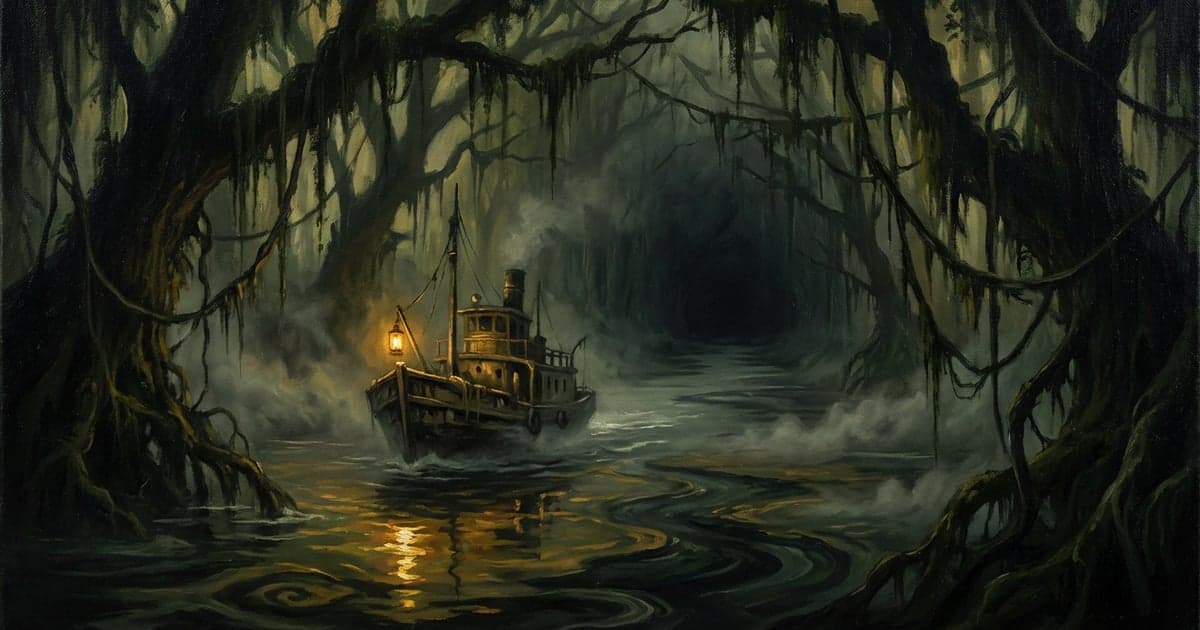
"It would seem as though the inhabitants themselves had removed the laths and traverses, on the very natural plea that the huts were no protection against the rain"
Context: Describing the decay of Plushkin's village where people have given up maintaining their homes
This shows how neglect from leadership trickles down to create a culture of giving up. When the boss doesn't care, why should the workers? The logical response to a hopeless situation is to stop trying.
In Today's Words:
When management doesn't maintain the workplace, employees stop caring too - 'Why should I fix this if they won't?'
"And you say that some of my peasants have died? Oh, the worthless fellows! And whereabouts are they lying? In the cemetery, I suppose?"
Context: When Chichikov mentions dead serfs, Plushkin's only concern is whether they're still costing him money
Reveals Plushkin's complete dehumanization of the people who work for him. He sees them only as financial assets, not as human beings with families and lives.
In Today's Words:
'My employees died? What a waste of my investment! I hope they're not still on the payroll!'
"Never in his life had Chichikov seen such a curious mixture of parsimony and filth"
Context: Chichikov's first impression of Plushkin's living conditions despite his wealth
Shows how extreme penny-pinching can become self-destructive. Plushkin has money but won't spend it on basic cleanliness or comfort, making his wealth meaningless.
In Today's Words:
'I've never seen someone so rich live in such disgusting conditions because they're too cheap to spend money on themselves'
Thematic Threads
Wealth
In This Chapter
Plushkin's vast riches become meaningless because his miserliness prevents him from using or enjoying them
Development
Contrasts with earlier landowners who at least lived comfortably—Plushkin shows wealth's ultimate corruption
In Your Life:
You might recognize this in yourself when you have money saved but feel guilty spending it on anything beyond necessities.
Isolation
In This Chapter
Plushkin's penny-pinching has driven away his children and friends, leaving him completely alone
Development
Builds on the theme of social disconnection seen in previous landowners
In Your Life:
You see this when someone's extreme frugality or controlling behavior pushes away the people they care about.
Decay
In This Chapter
Despite his wealth, Plushkin's estate is crumbling because he won't spend money on maintenance
Development
Physical decay mirrors the moral decay of previous characters
In Your Life:
This appears when you defer maintenance on your car, home, or health to save money, only to face bigger costs later.
Deception
In This Chapter
Plushkin appears to be a beggar but is actually one of the wealthiest landowners in the region
Development
Continues the theme of appearances versus reality throughout the novel
In Your Life:
You encounter this when someone's lifestyle doesn't match their actual financial situation—either direction.
Paranoia
In This Chapter
Plushkin suspects everyone of theft and can't trust his own servants or family
Development
Introduced here as the extreme endpoint of self-protective behavior
In Your Life:
You might see this in yourself when financial anxiety makes you suspicious of everyone's motives around money.
You now have the context. Time to form your own thoughts.
Discussion Questions
- 1
How does Plushkin's appearance and living conditions contrast with his actual wealth, and what does this reveal about his priorities?
analysis • surface - 2
What specific behaviors and thought patterns keep Plushkin trapped in his miserable lifestyle despite having the resources to live well?
analysis • medium - 3
Where do you see Plushkin's scarcity mindset showing up in modern life - people who have resources but won't use them?
application • medium - 4
If you had to help someone break out of Plushkin's pattern of hoarding and fear-based thinking, what practical steps would you recommend?
application • deep - 5
What does Plushkin's isolation from family and friends teach us about the true cost of extreme penny-pinching and mistrust?
reflection • deep
Critical Thinking Exercise
Audit Your Own Scarcity Patterns
Make three lists: things you're hoarding 'for later' (money, clothes, opportunities), things you won't spend on because they feel 'wasteful,' and relationships you've neglected while focusing on security. Look for patterns where fear of loss is actually preventing you from living well.
Consider:
- •Notice the difference between smart saving and fear-based hoarding
- •Consider what you're sacrificing today for a 'someday' that might never come
- •Think about whether your money fears match your actual financial reality
Journaling Prompt
Write about a time when being too careful with money or resources actually cost you something more valuable - an experience, relationship, or opportunity. What would you do differently now?
Coming Up Next...
Chapter 7: The Bureaucratic Dance
Back in town, Chichikov celebrates his unexpected windfall of nearly 400 souls acquired at bargain prices. But his success may have attracted unwanted attention, and a mysterious military lieutenant has arrived at his hotel.