Chapter 04
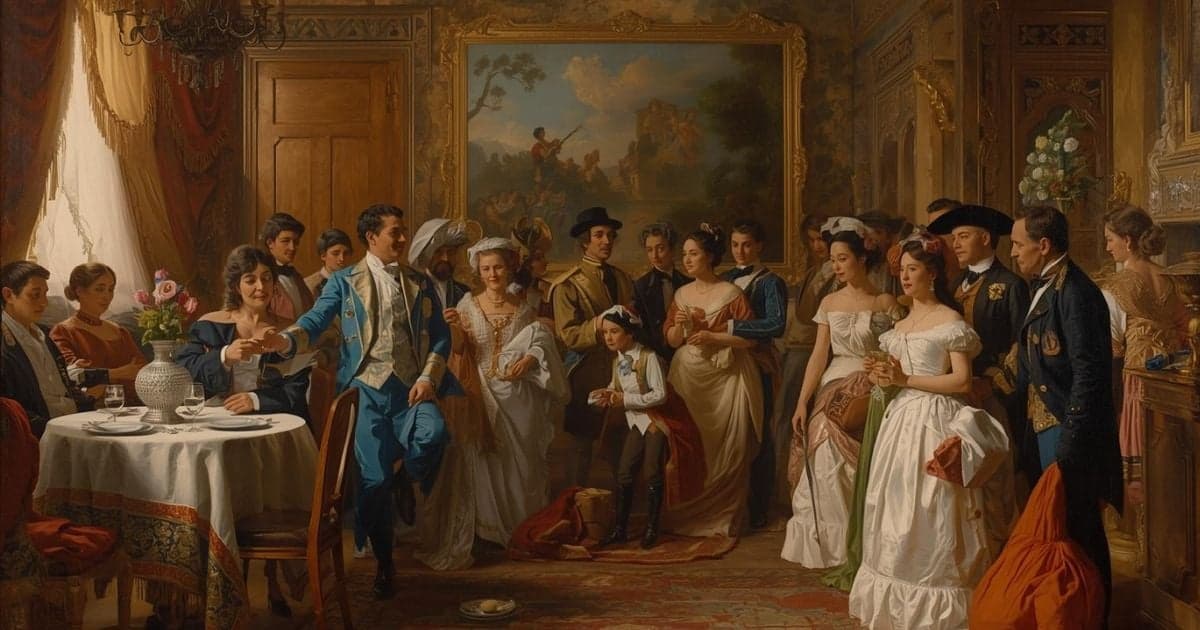
When Hospitality Turns Dangerous
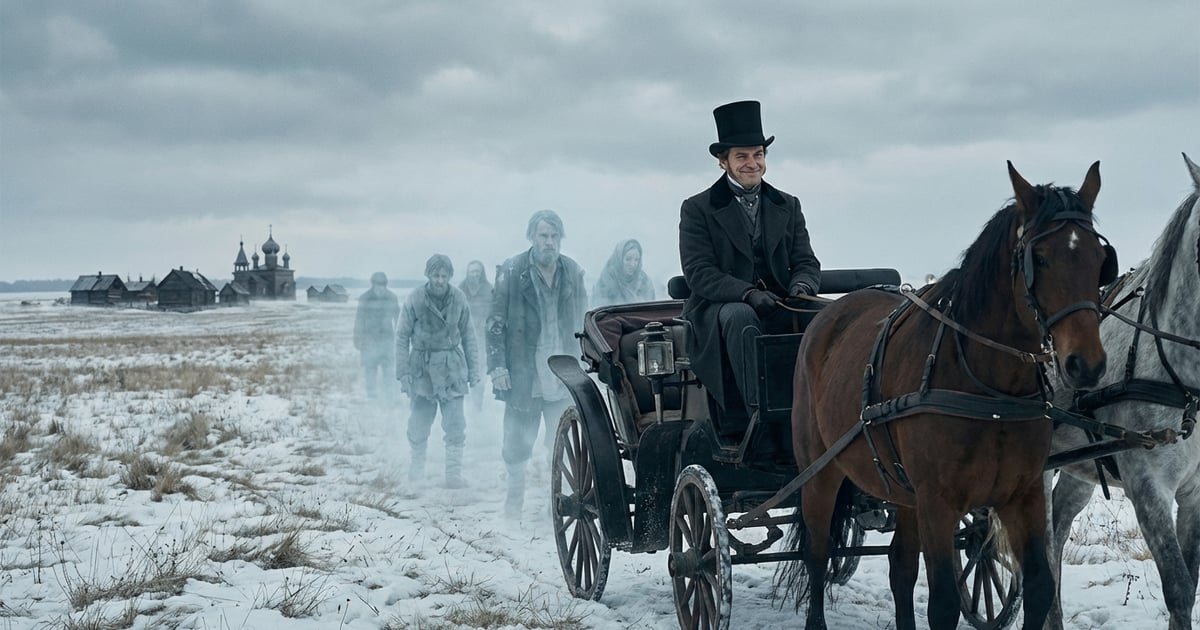
On reaching the tavern, Chichikov called a halt. His reasons for this were twofold--namely, that he wanted to rest the horses, and that he himself desired some refreshment. In this connection the author feels bound to confess that the appetite and the capacity of such men are greatly to be envied. Of those well-to-do folk of St. Petersburg and Moscow who spend their time in considering what they shall eat on the morrow, and in composing a dinner for the day following, and who never sit down to a meal without first of all injecting a pill and then swallowing…
Public-domain chapter text, formatted for reading.
Master this chapter. Complete your experience
Purchase the complete book to access all chapters and support classic literature
Available in paperback, hardcover, and e-book formats
Now let's explore the literary elements.
Key Quotes & Analysis
"Rather, it is the folk of the middle classes--folk who at one posthouse call for"
Context: Gogol contrasts hearty travelers with fashionable hypochondriacs
He celebrates unpretentious appetite while mocking elites who dine on pills and reputation.
In Today's Words:
Gogol sides with people who eat bacon at every stop over aristocrats who swallow oysters and pills and still complain. He is laughing at performance diets while Chichikov, a climber, eats like he belongs to the sturdy middle. The same pattern appears wherever people mistake performance for power or let urgency and manners silence warnings
"come to my place instead."
Context: Nozdrev blocks Chichikov's escape to Sobakevitch's estate
Hospitality becomes capture. Politeness makes refusal costly.
In Today's Words:
Nozdrev will not let a guest continue a journey because controlling the visit matters more than the guest's plans. You recognize it when someone insists you stay, eat, and drink so leaving feels like an insult. The same pattern appears wherever people mistake performance for power or let urgency and manners silence warnings they already
"If the souls are for sale, I will buy them."
Context: Chichikov tries to keep the transaction simple
He wants a bureaucratic purchase; Nozdrev wants a game he can rig.
In Today's Words:
He offers a plain business deal because paperwork is his weapon, not cards. The refusal to gamble is rational, but it enrages a man who must turn every exchange into dominance theater. The same pattern appears wherever people mistake performance for power or let urgency and manners silence warnings they already sense.
"No, no, my friend. The game is over, and I play you no more."
Context: Nozdrev erupts after accusing Chichikov of cheating
The host rewrites reality when he cannot win. Violence follows manufactured offense.
In Today's Words:
He ends the game by declaring you a cheat the moment you stop funding his fun. That is how compulsive hosts punish boundaries: invent a scandal so their rage looks like justice. The same pattern appears wherever people mistake performance for power or let urgency and manners silence warnings they already sense.
Thematic Threads
Desperation
In This Chapter
Chichikov's need for dead souls makes him trust the obviously untrustworthy Nozdrev
Development
Building from earlier calculated moves to this moment of poor judgment
In Your Life:
When you need something badly, you might ignore warning signs about people offering to help.
Deception
In This Chapter
Nozdrev lies constantly about his possessions and wealth, but his lies are transparent
Development
Contrasts with earlier subtle deceptions—this is blatant, almost performative lying
In Your Life:
Some people lie so obviously it seems harmless, but it reveals deep character flaws.
Social Expectations
In This Chapter
Hospitality becomes a trap—Chichikov can't easily leave once he accepts Nozdrev's invitation
Development
Shows how social norms can be weaponized against decent people
In Your Life:
Politeness and social obligations can be used to manipulate you into uncomfortable situations.
Class
In This Chapter
Nozdrev's aristocratic status gives him power to threaten violence without immediate consequences
Development
Reveals how class privilege protects destructive behavior
In Your Life:
People with status or connections often get away with behavior that would destroy others.
Control
In This Chapter
Nozdrev tries to control every aspect of the interaction, from dinner to the deal terms
Development
Introduced here as aggressive, overt control versus earlier subtle manipulations
In Your Life:
Some people can't handle simple, straightforward interactions—they must complicate and control everything.
You now have the context. Time to form your own thoughts.
Discussion Questions
This is not a test. Five prompts guide you through the chapter, from how it opens to how it closes, so you notice context and rhythm rather than facts to memorize. Sit with each question in your own words. When you see "One way to read it," treat it as a starting point, not the only answer.
- 1
What signs show Nozdrev is unreliable before the card game?
analysis • surfaceOne way to read it
He lies about the fair, sells a mare he still claims to own, and bullies guests through hospitality.
- 2
Why does Chichikov accept Nozdrev's invitation?
analysis • mediumOne way to read it
He needs souls quickly and underestimates danger because social momentum and urgency override caution.
- 3
How does Nozdrev turn hospitality into control?
application • mediumOne way to read it
He blocks departure, forces toasts and games, and punishes refusal with accusations and violence.
- 4
Why does the chess game expose Nozdrev more clearly than his lies about horses and forests?
application • deepOne way to read it
On the board he cannot narrate away contradictions; adding pieces and calling Chichikov a cheat shows control matters more than winning fairly.
- 5
What personal rule could have helped Chichikov leave earlier?
reflection • deepOne way to read it
Examples: no gambling for business assets, leave when stories contradict physical evidence, or never disclose schemes to compulsive talkers.
Critical Thinking Exercise
Create Your Red Flag Checklist
Think about a situation where you need something important - a job, housing, medical care, or financial help. Create a personal checklist of warning signs that should make you pause, even when you're desperate. Consider both obvious red flags (like Nozdrev's lies) and subtle ones (like unnecessary complications or pressure tactics).
Consider:
- •What behaviors would make you uncomfortable in a normal situation that you might excuse when desperate?
- •How can you tell the difference between someone who's genuinely trying to help and someone who's exploiting your need?
- •What questions could you ask to test whether someone is trustworthy before making important decisions?
Journaling Prompt
Write about a time when desperation led you to ignore your better judgment. What were the warning signs you dismissed, and what would you do differently now?
Coming Up Next...
Chapter 5: The Bear-Like Landowner's Hard Bargain
Chichikov flees Nozdrev's estate in terror, but his troubles are just beginning. His secret is now in the hands of the most unreliable man in the province, and paranoia begins to consume him as he realizes the full scope of his mistake..