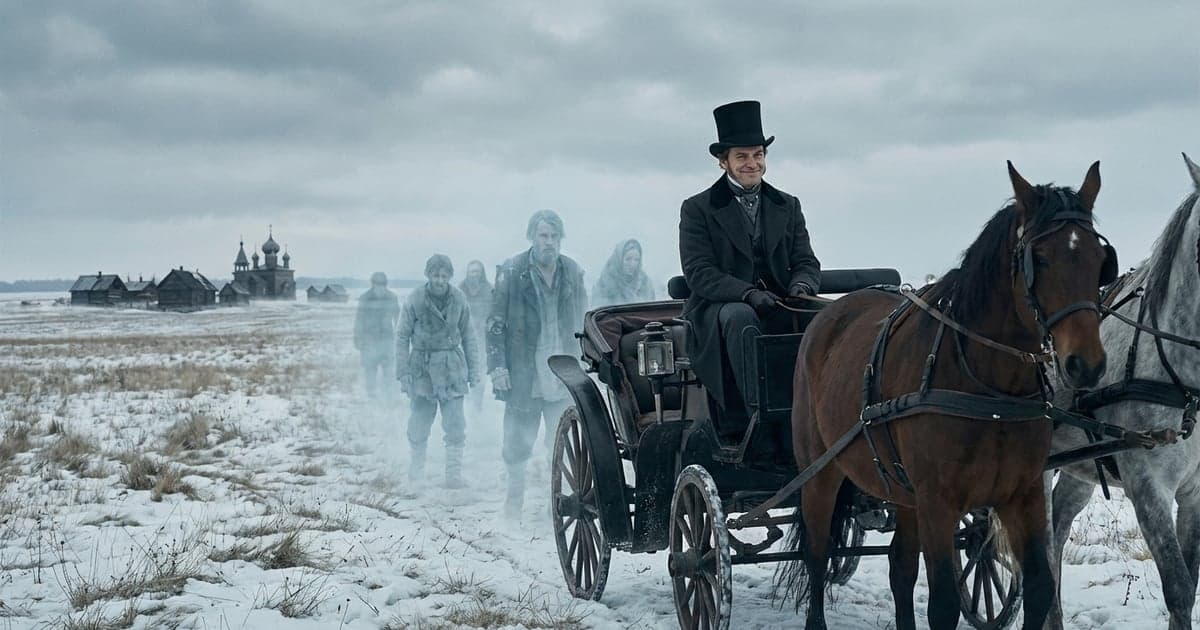
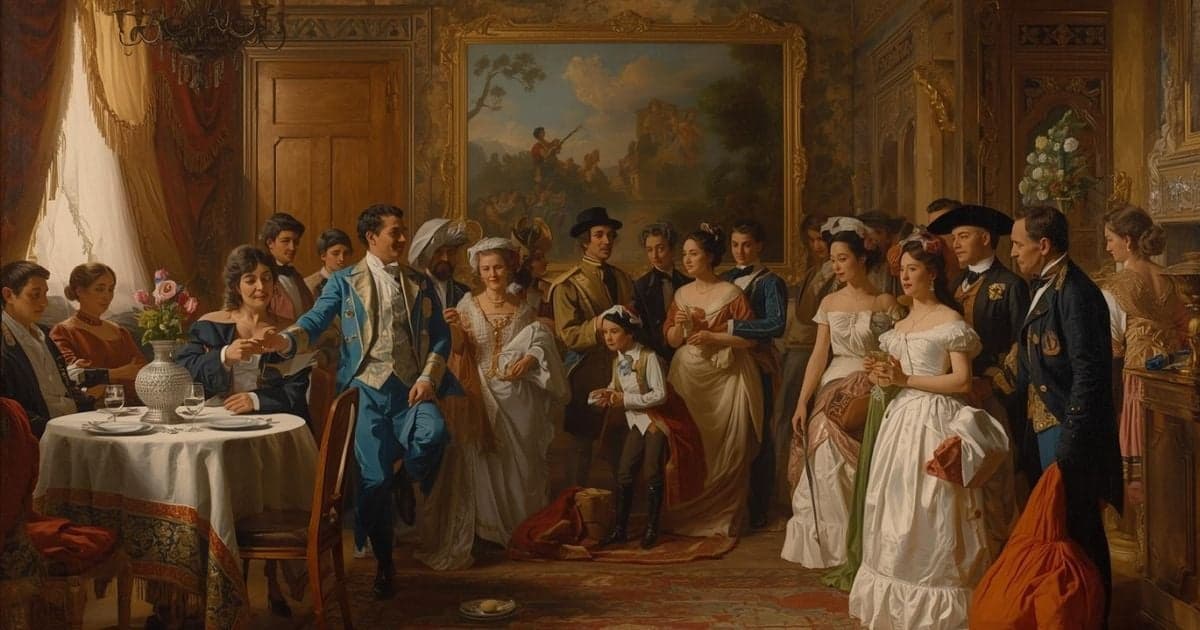
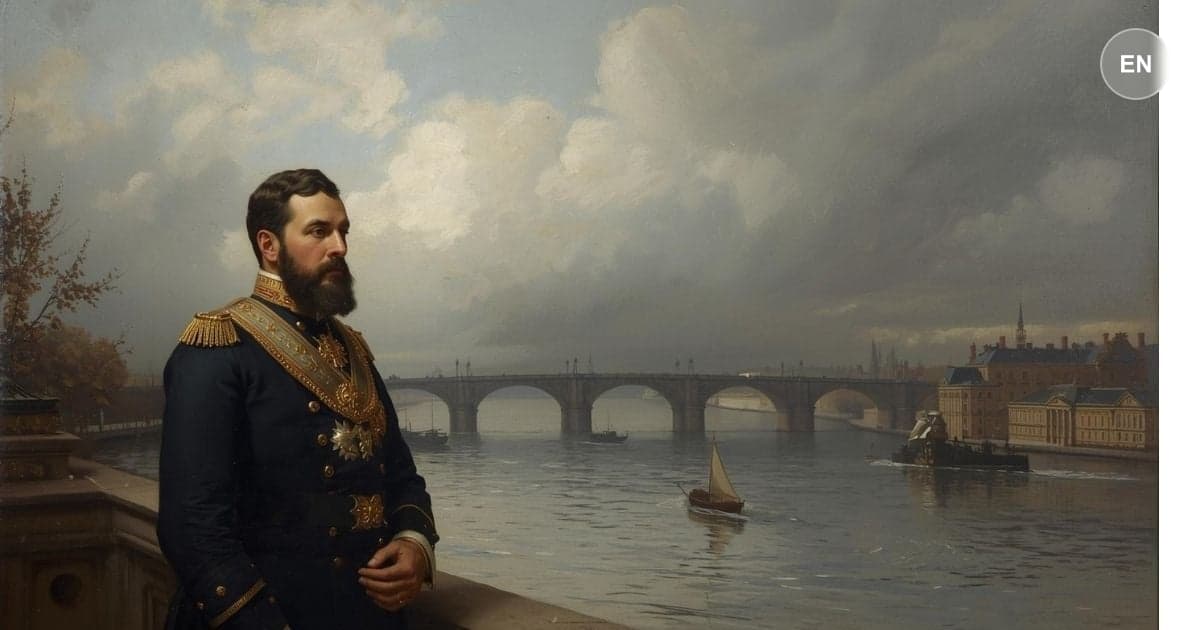
Chichikov leaves Manilovka pleased, his face lit by pleasant calculations. Thunder breaks; rain slants through the curtains; the coachman drives across a ploughed field until the britchka capsizes and Chichikov lands in mud on his hands and knees. An elderly housekeeper first refuses entry at the moderate mansion, then admits a dvorianin when she learns he is not a tax inspector. Her parlor holds old mirrors, a flowered clock that hisses like adders before it strikes, and the habit of lamenting failed harvests while stuffing striped purses in locked cupboards. Morning brings flies, a Kutuzov portrait, and a yard where poultry thrive and a sow eats a young pullet without ceremony. When he asks to buy dead names still taxed as living, she cannot imagine digging anyone up. Negotiation wears the mask of simplicity. She has never sold dead folk, only live ones; perhaps other buyers will come; perhaps hemp would be simpler. She crosses herself when he mentions the devil; he invents government contracts for rye and meal until fear of missing official business outweighs fear of the deal. Paperwork consumes the drawing room. She admires his dispatch box; he refuses stamped paper for her land-court plea but drafts the indenture while she dictates names from memory, including Peter Saveliev Neuvazhai Korito and Korovi Kirpitch. Pelagea, eleven and barefoot, guides the britchka until the main road and a tavern appear; Selifan dismisses her with a copper groat and a muttered insult. Korobotchka's souls are on the list; the scheme survives another muddy night. Gogol's comparison lingers: Manilov and Korobotchka are not so far apart.
Selifan, warmed by Manilov's servants and drink, praises the horses while missing every fork. Selifan insists he is only a little tipsy and blames the britchka. On the highway a dispute over wheel rights with another driver adds farce to exhaustion before barking leads them through the downpour toward lights. Korobotchka, widow of a Collegiate Secretary, receives the mud-stained guest in nightcap and flannel wrap. Chichikov wants sleep; she offers tea, heel-tickling, and a feather bed that collapses under his weight while he wonders whether she is miser or simply provincial. Over tea he drops the polished tone used on Manilov and asks how many souls the village holds. She reports fewer than eighty, eighteen dead since the last revision, including a blacksmith who burned himself drinking. He explains the transfer exists on paper only; she stares and says they are dead souls. Chichikov sweats, compares her to a minister who cannot reverse a fixed idea, and nearly leaves in rage. She compares prices to honey sold in town; he argues every kopeck; she settles at fifteen roubles per soul and imagines future orders from his imaginary office. Fetinia serves mushrooms, pie, and successive pancakes while Korobotchka hints at lard, feathers, and Christmas groats. Gogol asks whether Korobotchka stands so far below Manilov when both live amid unfinished projects and domestic theatre, then drops the thought as suddenly as it arose. Chichikov scolds the coachman for yesterday's fumes while groomed horses pull toward the next landowner. Soon she will carry her version to town, where distorted scandal travels faster than any indenture Chichikov files. One gives souls away in rhetorical tears; the other sells them after terror of the devil and hunger for government rye contracts.
Both live in houses where projects stall and grease coats the candelabra. Chichikov exploits neither intelligence nor malice but the provincial habit of treating paper as destiny. He leaves with pancakes in his memory and Neuvazhai Korito on his list, another proof that the scheme advances wherever shame is weaker than tax. The tavern ahead will offer gossip, appetite, and Nozdrev; for now the rain stops, the horses settle, and the next landowner waits with another temperament to measure against the census trick. Recall the capsizing in detail because comedy and business intertwine: Selifan drives drunk across furrows; Chichikov crawls from mud; the britchka must be righted before any sale can be discussed. Korobotchka's heel-tickling offer and collapsing feather bed show a hostess who confuses intimacy with hospitality. Her devil dream and honey-price comparisons reveal a mind that fears spiritual loss more than financial loss until Chichikov reframes the deal as official rye purchases. Every objection becomes a round in a game she does not know she is playing. By the time Pelagea guides them back to the highway, Chichikov has another indenture in the dispatch box and another story to tell at the next inn. The chapter proves the scheme feeds on provincial literalism: she cannot believe dead souls exist, yet she will sell them once the words sound like Moscow. Meanwhile he rolls away pleased, face bright with calculation, while Selifan still smells of Manilov's kitchen and the road points toward tavern gossip, appetite, and Nozdrev's chaos.
Coming Up in Chapter 4
At a roadside tavern, Chichikov encounters other travelers and begins to hear gossip about the local landowners, information that could prove invaluable for his mysterious scheme. But he also risks exposure as questions arise about his true business in the region..