Wide Reads
Literature MattersLife IndexEducators
Sign in
Where to Begin
Das Kapital - The Birth of Industrial Capitalism

Karl Marx

Das Kapital

The Birth of Industrial Capitalism

Home›Books›Das Kapital›Chapter 31
Previous
31 of 33
Next

Summary

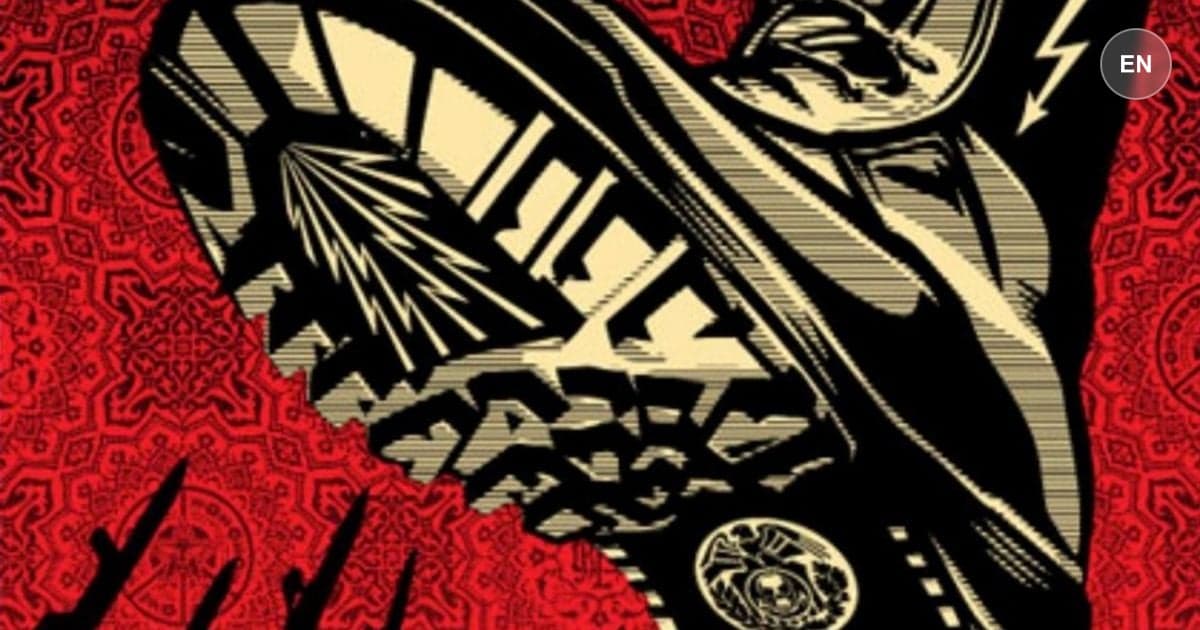
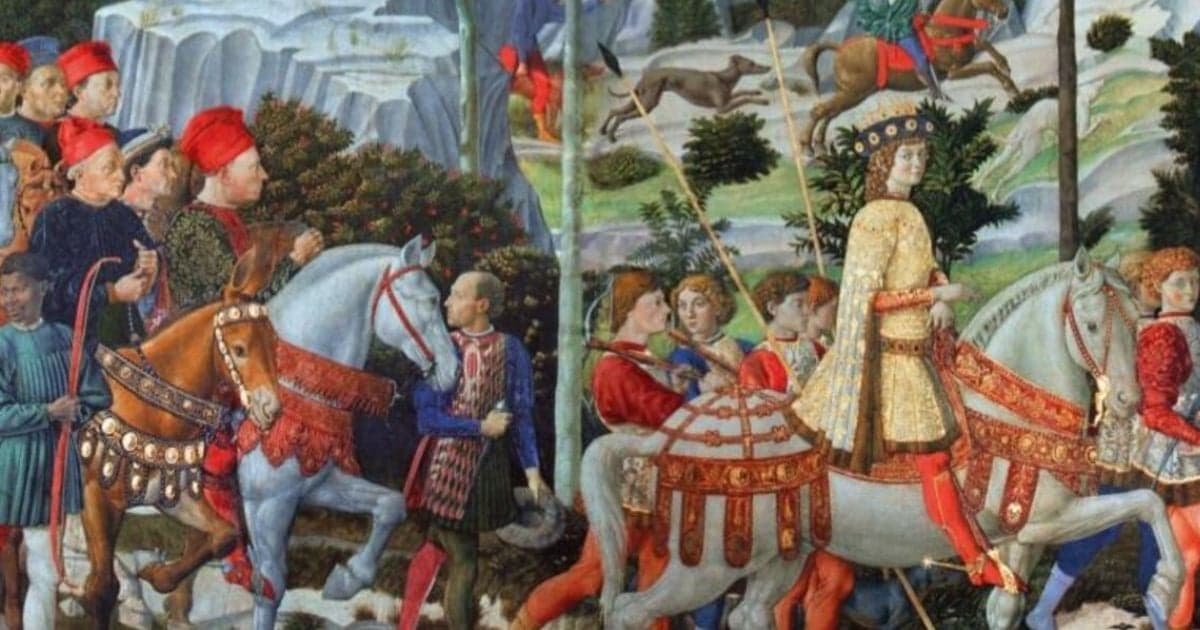
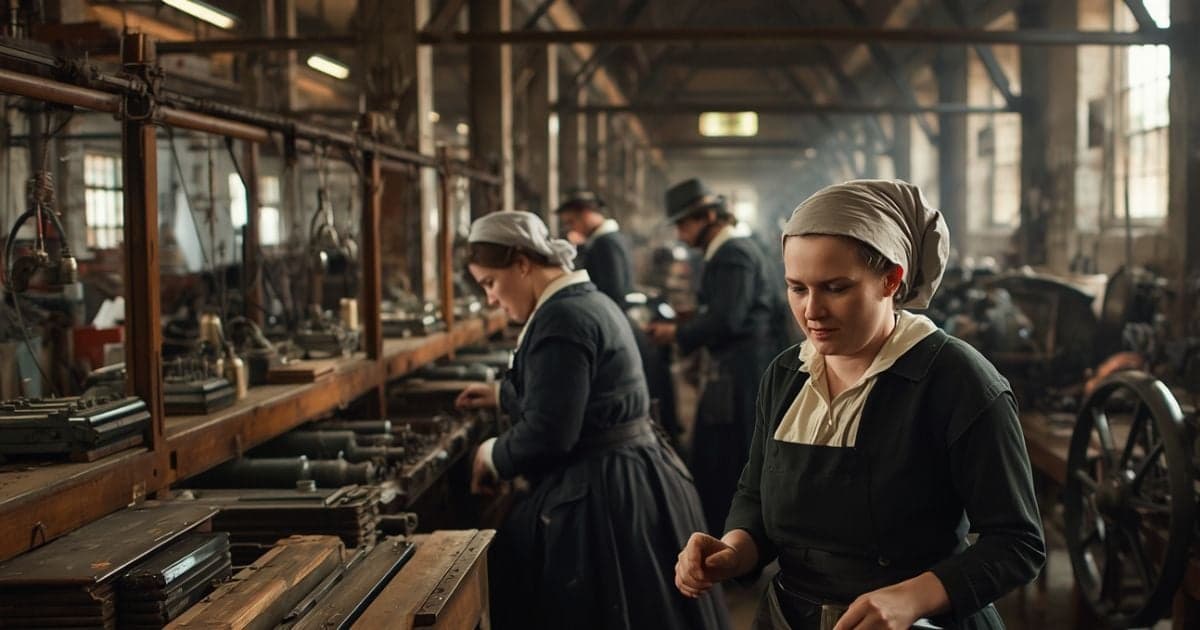
Colonial plunder, the slave trade, national debt, and the systematic use of state power to concentrate wealth — these form the true origin story of industrial capital, as distinct from the merchant and usurer's capital that preceded it. Merchant and usurer's capital pre-dated capitalism by millennia. What converted these into industrial capital was the opening of the world market after 1492 and the violent extraction of wealth from the Americas, Africa, and Asia. The gold and silver of the Americas were looted, not traded. The slave trade delivered millions of Africans into forced labour across the plantations of the New World. The East India Company's conquest of Bengal, described by Marx in its particulars, combined political extortion with the systematic destruction of local industries. These were not market transactions. They were robberies on a civilisational scale. At home, the national debt became a mechanism of accumulation. The state borrowed from financiers at interest, then taxed the general population to service that debt — transferring wealth from workers and smallholders to the creditor class. Tax farming, protectionism, and colonial monopolies all served the same function: the forced concentration of money-wealth in the hands of the emerging capitalist class. Inside England, the factory system conducted its own primitive accumulation. Workhouse children — parish paupers — were 'apprenticed' to factory owners by local authorities and transported in batches to work in mills, often under conditions that Marx quotes contemporary witnesses comparing to slavery: day and night shifts in beds that never cooled between occupants, systematic overwork, malnutrition, and death. Industrial capitalism was not built by savers and innovators. It was built on blood and dirt, as Marx puts it — on colonial expropriation, enslaved labour, state-sponsored wealth transfer, and the exploitation of the most defenceless children England produced.

Coming Up in Chapter 32

Having shown capitalism's violent birth, Marx now examines where this system is heading - exploring whether capitalism contains the seeds of its own destruction and what might replace it.

Share it with friends

Previous ChapterNext Chapter
GO ADS FREE — JOIN US
Original text
complete·5,001 words

GENESIS OF THE INDUSTRIAL CAPITALIST

1 / 4

Master this chapter. Complete your experience

Purchase the complete book to access all chapters and support classic literature

Read Free on GutenbergBuy at Powell'sBuy on Amazon

As an Amazon Associate, we earn a small commission from qualifying purchases at no additional cost to you.

Available in paperback, hardcover, and e-book formats

GO ADS FREE — JOIN US

Why This Matters

Connect literature to life

Skill: Detecting Origin Story Manipulation

This chapter teaches how to identify when powerful systems rewrite their violent beginnings as virtue stories.

Practice This Today

This week, notice when someone explains their success without mentioning the help, advantages, or harm to others that made it possible.

GO ADS FREE — JOIN US

Now let's explore the literary elements.

Key Quotes & Analysis

"Capital comes dripping from head to foot, from every pore, with blood and dirt."

— Marx

Context: Marx's conclusion after detailing the violent origins of capitalist wealth accumulation

This powerful metaphor reveals that capitalism's foundation isn't innovation or hard work, but systematic violence and theft. Marx wants readers to see past the clean facade of modern business to its brutal origins.

In Today's Words:

Every dollar of capitalist wealth has someone else's suffering behind it.

"The discovery of gold and silver in America, the extirpation, enslavement and entombment in mines of the aboriginal population, the beginning of the conquest and looting of the East Indies, the turning of Africa into a warren for the commercial hunting of black-skins, signalized the rosy dawn of the era of capitalist production."

— Marx

Context: Describing how European colonization created the wealth that funded capitalism

Marx sarcastically calls genocide and slavery a 'rosy dawn' to highlight the horrific irony. He's showing that capitalism required global violence and couldn't have developed through peaceful competition alone.

In Today's Words:

Capitalism was built on genocide, slavery, and theft - that's where the money came from to start the whole system.

"These labourers, who must sell themselves piecemeal, are a commodity, like every other article of commerce."

— Marx

Context: Explaining how workers under capitalism become commodities to be bought and sold

This reveals the dehumanizing nature of wage labor - workers must literally sell pieces of their lives (their time and energy) to survive, just like any product in a store.

In Today's Words:

Workers have to sell themselves by the hour just like any other product on the market.

Thematic Threads

Class

In This Chapter

Marx shows how the capitalist class was created through violence, not merit - dispossessing peasants and indigenous peoples to create both capital and desperate workers

Development

Building on earlier chapters about exploitation, now revealing the historical violence that made class divisions possible

In Your Life:

You might notice how wealthy people in your community often inherited advantages while claiming their success comes from hard work alone

Violence

In This Chapter

The chapter details systematic violence - genocide, slavery, child kidnapping - as the foundation of capitalism, not an unfortunate side effect

Development

Introduced here as the hidden foundation of economic systems

In Your Life:

You might recognize how institutions in your life use subtle coercion and then claim it's for your own good

Mythology

In This Chapter

The creation of false narratives about capitalism's origins - presenting systematic theft as natural market development

Development

Introduced here as how power maintains legitimacy

In Your Life:

You might notice how your workplace frames layoffs as 'rightsizing' or benefit cuts as 'competitive positioning'

Accumulation

In This Chapter

Primitive accumulation through colonial plunder, debt systems, and forced labor created the initial capital that made industrial capitalism possible

Development

Expanding from earlier focus on surplus value to show how the system began

In Your Life:

You might see how wealthy families in your area accumulated property during economic crises when others were forced to sell

State Power

In This Chapter

Government policies - debt, taxation, trade laws - systematically transferred wealth upward while appearing neutral

Development

Introduced here as the mechanism enabling primitive accumulation

In Your Life:

You might notice how tax policies and zoning laws in your town benefit property owners while claiming to help everyone

GO ADS FREE — JOIN US

You now have the context. Time to form your own thoughts.

Discussion Questions

  1. 1

    Marx describes how early capitalism used kidnapped children and 'beds that never got cold' in factories. What specific methods did the wealthy use to build their fortunes that they don't talk about today?

    analysis • surface
  2. 2

    Why does Marx argue that capitalism didn't grow naturally from small businesses getting bigger, but required systematic violence and government backing?

    analysis • medium
  3. 3

    Think about modern 'success stories' you hear - tech billionaires, real estate moguls, pharmaceutical companies. What public resources, government policies, or other people's labor might be hidden in their origin stories?

    application • medium
  4. 4

    When someone tells you 'that's just how the market works' or 'that's just business,' how would you investigate what they're not telling you about how that system actually got set up?

    application • deep
  5. 5

    Marx shows how powerful groups rewrite their violent origins into noble stories. What does this pattern reveal about how humans justify harmful systems once they benefit from them?

    reflection • deep

Critical Thinking Exercise

15 minutes

Trace the Hidden History

Pick something expensive in your life - healthcare, housing, education, or childcare. Research online: what government policies, tax breaks, or regulations helped create the current pricing? Who lobbied for those policies? What did the situation look like 30-50 years ago? Write a one-paragraph 'real origin story' that includes the hidden factors.

Consider:

  • •Look for what changed in laws or regulations that might have eliminated competition
  • •Notice who had political connections or government contracts that gave them advantages
  • •Pay attention to what public resources (research, infrastructure, education) were used to build private wealth

Journaling Prompt

Write about a time when you discovered that something you'd been told was 'natural' or 'just how things work' actually had a specific history of decisions and policies behind it. How did learning the real story change how you approached that situation?

GO ADS FREE — JOIN US

Coming Up Next...

Chapter 32: The Rise and Fall of Economic Systems

Having shown capitalism's violent birth, Marx now examines where this system is heading - exploring whether capitalism contains the seeds of its own destruction and what might replace it.

Continue to Chapter 32
Previous
How Rural Collapse Built Industrial Cities
Contents
Next
The Rise and Fall of Economic Systems

Continue Exploring

Das Kapital Study GuideTeaching ResourcesEssential Life IndexBrowse by ThemeAll Books

You Might Also Like

Jane Eyre cover

Jane Eyre

Charlotte Brontë

Explores personal growth

Great Expectations cover

Great Expectations

Charles Dickens

Explores personal growth

The Strange Case of Dr Jekyll and Mr Hyde cover

The Strange Case of Dr Jekyll and Mr Hyde

Robert Louis Stevenson

Explores personal growth

Don Quixote cover

Don Quixote

Miguel de Cervantes Saavedra

Explores personal growth

Browse all 47+ books
GO ADS FREE — JOIN US

Share This Chapter

Know someone who'd enjoy this? Spread the wisdom!

TwitterFacebookLinkedInEmail

Read ad-free with Prestige

Get rid of ads, unlock study guides and downloads, and support free access for everyone.

Subscribe to PrestigeCreate free account
Intelligence Amplifier
Intelligence Amplifier™Powering Wide Reads

Exploring human-AI collaboration through books, essays, and philosophical dialogues. Classic literature transformed into navigational maps for modern life.

2025 Books

→ The Amplified Human Spirit→ The Alarming Rise of Stupidity Amplified→ San Francisco: The AI Capital of the World
Visit intelligenceamplifier.org
hello@widereads.com

WideReads Originals

→ You Are Not Lost→ The Last Chapter First→ The Lit of Love→ Wealth and Poverty→ 10 Paradoxes in the Classics · coming soon
Arvintech
arvintechAmplify your Mind
Visit at arvintech.com

Navigate

  • Home
  • Library
  • Essential Life Index
  • How It Works
  • Subscribe
  • Account
  • About
  • Contact
  • Authors
  • Suggest a Book
  • Landings

Made For You

  • Students
  • Educators
  • Families
  • Readers
  • Literary Analysis
  • Finding Purpose
  • Letting Go
  • Recovering from a Breakup
  • Corruption
  • Gaslighting in the Classics

Newsletter

Weekly insights from the classics. Amplify Your Mind.

Legal

  • Privacy Policy
  • Terms of Service
  • Cookie Policy
  • Accessibility

Why Public Domain?

We focus on public domain classics because these timeless works belong to everyone. No paywalls, no restrictions—just wisdom that has stood the test of centuries, freely accessible to all readers.

Public domain books have shaped humanity's understanding of love, justice, ambition, and the human condition. By amplifying these works, we help preserve and share literature that truly belongs to the world.

A Pilgrimage

Powell's City of Books

Portland, Oregon

If you ever find yourself in Portland, walk to the corner of Burnside and 10th. The building takes up an entire city block. Inside is over a million books, new and used on the same shelf, organized by color-coded rooms with names like the Rose Room and the Pearl Room. You can lose an afternoon. You can lose a weekend. You will find a book you have been looking for your whole life, and three you did not know existed.

It is a pilgrimage. We cannot find a bookstore like it anywhere on earth. If you read the classics, and you ever get the chance, go. It belongs on every reader's bucket list.

Visit powells.com

We are not in any way affiliated with Powell's. We are just a very big fan.

© 2026 Wide Reads™. All Rights Reserved.

Intelligence Amplifier™ and Wide Reads™ are proprietary trademarks of Arvin Lioanag.

Copyright Protection: All original content, analyses, discussion questions, pedagogical frameworks, and methodology are protected by U.S. and international copyright law. Unauthorized reproduction, distribution, web scraping, or use for AI training is strictly prohibited. See our Copyright Notice for details.

Disclaimer: The information provided on this website is for general informational and educational purposes only and does not constitute professional, legal, financial, or technical advice. While we strive to ensure accuracy and relevance, we make no warranties regarding completeness, reliability, or suitability. Any reliance on such information is at your own risk. We are not liable for any losses or damages arising from use of this site. By using this site, you agree to these terms.