The door opens a crack, and Alyona Ivanovna's suspicious eyes stare out. Raskolnikov forces his way in with the fake pledge, waits until her back is turned, and brings the axe down almost mechanically on her skull. The blood gushes as from an overturned glass. He searches her pocket for keys, loots her purse and crosses, then rushes to the bedroom strongbox under the bed. Filling his pockets with gold pledges, he wipes his bloody hands on red brocade, thinking blood will show less on red, then catches himself: Good God, am I going out of my senses?
A sound stops him. Lizaveta has returned with a bundle and stands frozen over her sister's body. She does not even raise a hand to guard her face. The axe splits her skull. This second murder, entirely unplanned, fills him with loathing so intense he might have surrendered on the spot if he could think clearly. Instead he washes the axe and his hands in the kitchen, checks his clothes, and rushes to flee, only to find the outer door standing open. Lizaveta must have left it unlatched. He hooks the door just as visitors arrive.
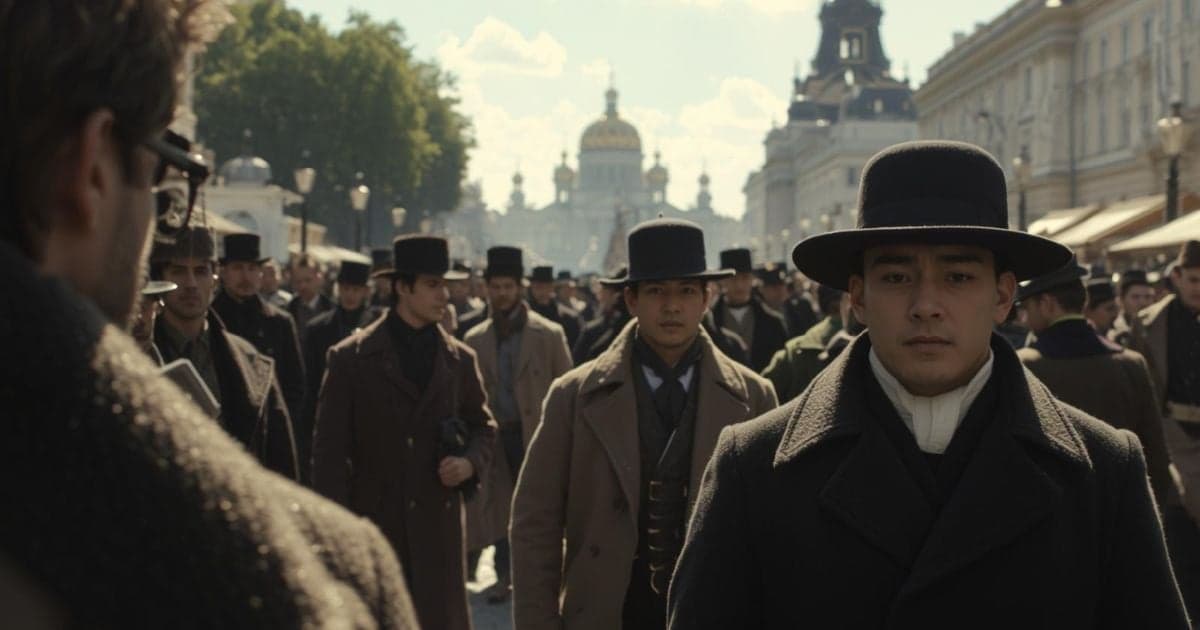
Koch and a young law student ring, pull, and argue. The student deduces from the clanking hook that someone is inside and refuses to leave. Raskolnikov crouches with the axe, tempted to shout through the door, while Koch inspects the keyhole. When both men go downstairs, he slips out and nearly runs into them returning with others. Filled with despair, he walks straight toward them, feeling come what must, then ducks at the last second into a painters' flat on the second floor. He waits as they climb to discover the bodies, then runs down empty stairs into the street. Exhausted, he circles home by a longer route, returns the axe to the porter's room, and collapses on his sofa in blank forgetfulness, scraps of thought swarming through his brain.
Coming Up in Chapter 8
He wakes past two in the morning and everything returns in one flash. Before he can hide the loot or wash away the evidence, a police summons arrives at his door Past two in the morning, Raskolnikov wakes on his sofa and everything returns in one flash. Fever shakes him as he strips his clothes hunting for blood..