Wide Reads
Literature MattersLife IndexEducators
Sign in
Where to Begin

Svidrigailov's Last Night — Crime and Punishment

Crime and Punishment - Svidrigailov's Last Night

Fyodor Dostoevsky

Crime and Punishment

Svidrigailov's Last Night

Home›Books›Crime and Punishment›Chapter 37: Svidrigailov's Last Night
Previous
37 of 41
Next

Analysis by the Wide Reads editorial team·Reviewed against the source text·Updated November 28, 2025

Summary

Svidrigailov's Last Night

Crime and Punishment by Fyodor Dostoevsky

0:000:00
Listen to Next Chapter

Part VI Chapter VI is Svidrigaïlov's last night after Dunya's revolver, not Raskolnikov's confession to Porfiry or the Siberia march. He drifts through low haunts until ten, treats Katia and crooked-nosed clerks, pays for a pleasure garden Vauxhall, listens to clerks shout over a stolen teaspoon he buys off, drinks no wine, and walks home drenched when the storm breaks. He tears papers, takes his money, and visits Sonia while the Kapernaumov children flee: he may go to America, leaves orphan receipts and three thousand roubles in bonds for her alone, and warns that Rodion Romanovitch faces a bullet in the brain or Siberia, so she will need the money if she follows him. He praises her advice to confess, tells her to hide the cash with Razumihin later, forbids mention of his visit, and sends greetings Razumihin must repeat, then vanishes into the rain.

At twenty past eleven he wakes his betrothed's family on Vassilyevsky Island, charms the sensible mother with talk of Paris, and presses fifteen thousand roubles on the girl before kissing her cheek and leaving the gift locked away while the mother whispers that Englishmen are eccentric. Near midnight he crosses the bridge, shivers at the black Little Neva, and beds down in the Adrianople hotel under the stairs. Fever, tea and veal untouched, mice under the blanket, and memories of Dunya with the lowered revolver give way to a nightmare Trinity coffin of a drowned fourteen-year-old, then listening to a drunk next door, a wet child in the corridor whom he undresses and warms until a depraved harlot dream makes him cry Accursed child and wake at daylight with Dunya's revolver still in his pocket.

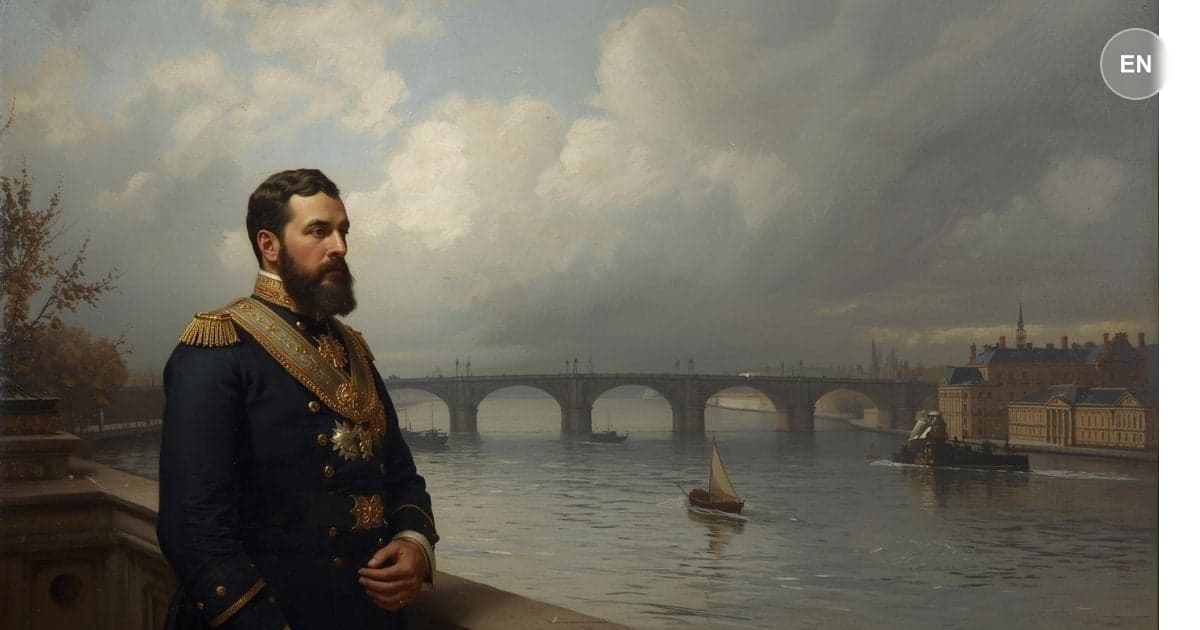
He writes a few lines in his notebook in large letters, fails to catch flies on the untouched veal, and walks through milky mist toward the flooded river, picturing Petrovsky Island bushes but rejecting them for a witness. He passes a drunk in the street, reads shop signs, and turns into the street with the big stone house and tower. Achilles the sentry in a copper helmet asks what do you want here; Svidrigaïlov jokes about foreign parts, cocks Dunya's revolver, says he was going to America, puts it to his right temple while Achilles cries it is not the place, and pulled the trigger. Svidrigaïlov's parallel menace ends here; Raskolnikov still wanders God knows where before visiting his mother in Part VI Chapter VII. This is not Porfiry's mercy speech, Sonia's public crossroads command, or the epilogue convoy east.

In this chapter: Terms Characters Key Quotes Themes Modern Story

Why This Matters

Connect literature to life

Skill: Reading Exit Spending and Bundled Secrets

Last-night money often pays off witnesses and dependents while buying silence. Svidrigailov tells Sonia about bullet or Siberia, leaves bonds, and forbids mention of his visit before shooting himself where Achilles must see. Take practical help, but refuse to carry a predator's secrets just because the cash is real.

Coming Up in Chapter 38

The same night ends for Svidrigailov at the guardhouse; by evening Raskolnikov walks toward his mother and sister with a decision he can no longer postpone.

Share it with friends

PreviousPrevious ChapterNextNext Chapter
Original text
5,402 wordscomplete

Chapter 37

Svidrigailov's Last Night

He spent that evening till ten o’clock going from one low haunt to another. Katia too turned up and sang another gutter song, how a certain “villain and tyrant” “began kissing Katia.” Svidrigaïlov treated Katia and the organ-grinder and some singers and the waiters and two little clerks. He was particularly drawn to these clerks by the fact that they both had crooked noses, one bent to the left and the other to the right. They took him finally to a pleasure garden, where he paid for their entrance. There was one lanky three-year-old pine-tree and three bushes in the…

Public-domain chapter text, formatted for reading.

Master this chapter. Complete your experience

Purchase the complete book to access all chapters and support classic literature

Buy at Powell'sBuy on Amazon

Available in paperback, hardcover, and e-book formats

Now let's explore the literary elements.

Key Quotes & Analysis

"three thousand roubles"

— Svidrigailov

Context: Private bonds for Sonia alone

Funds exile while demanding secrecy about his visit.

In Today's Words:

He presses three thousand roubles in bonds on Sonia, strictly between them, while orphan receipts cover her family. The gift is real and so is the gag order. If money arrives with instructions never to tell anyone who came, ask what story you are now part of before you spend it.

"bullet in the brain or Siberia"

— Svidrigailov

Context: Telling Sonia what Raskolnikov faces

He knows the murder secret and frames her future as following a convict.

In Today's Words:

Svidrigailov tells Sonia that Raskolnikov has two alternatives, a bullet in the brain or Siberia, and she will need money if she follows him into exile. He presents ruin as weather you should pack for. When someone who overheard your family names both suicide and prison, treat the help as tied to leverage, not pure charity.

"drowned herself"

— Narrator (Svidrigaïlov's dream)

Context: Coffin vision of the fourteen-year-old girl

Resslich's drowned girl returns as moral horror in fever sleep.

In Today's Words:

In fever he dreams a girl in a white dress who drowned herself at fourteen, crushed by insult on a stormy night like this one. The vision links his betrothal plot to earlier harm in the house. Night thoughts often stitch your crimes together before morning action.

"pulled the trigger"

— Narrator

Context: Suicide before Achilles at the guardhouse

End of Svidrigailov's arc; witness told to say America.

In Today's Words:

After asking Achilles the sentry what he wants here and saying he is going to America, Svidrigailov puts the revolver to his temple and pulled the trigger. He chose an official witness and a public place instead of the rainy bush. Some endings are staged so someone else must carry the story forward.

Thematic Threads

Svidrigailov

In This Chapter

Haunts, gifts, dreams, suicide

Development

Arc ends

Sonia

In This Chapter

Bonds, warning

Development

Funded for Siberia

Raskolnikov

In This Chapter

Bullet or Siberia

Development

Fate named offstage

Dunya

In This Chapter

Memory, revolver

Development

He releases pursuit

Death

In This Chapter

Drowned girl, trigger

Development

Public suicide

You now have the context. Time to form your own thoughts.

Discussion Questions

This is not a test. Five prompts guide you through the chapter, from how it opens to how it closes, so you notice context and rhythm rather than facts to memorize. Sit with each question in your own words. When you see "One way to read it," treat it as a starting point, not the only answer.

  1. 1

    What does Svidrigailov leave Sonia, and what does he forbid her to tell?

    ▶One way to read it

    Orphan receipts and three thousand roubles in bonds for the Marmeladov children, with warning that Rodya faces Siberia or a bullet. He asks secrecy about his visit.

    analysis • surface
  2. 2

    Why does he wake his betrothed's family at midnight in the storm?

    ▶One way to read it

    He seeks a last human anchor before death: a sixteen-year-old fiancée and her mother as fantasy of innocence. Charm masks farewell.

    analysis • medium
  3. 3

    What do the Adrianople hotel nightmares of assaulted children show about his mind?

    ▶One way to read it

    Guilt and appetite merge into horror he cannot wash away. Dreams punish what society never convicted.

    application • medium
  4. 4

    He goes to the guardhouse and shoots himself instead of Petrovsky Park. Why that choice?

    ▶One way to read it

    Public officer as witness makes death official, not romantic. He exits where law lives, after Dunya's revolver failed to kill him.

    analysis • deep
  5. 5

    How does Svidrigailov's suicide change danger for Raskolnikov's family?

    ▶One way to read it

    The blackmailer and seducer is gone, but his money and eavesdropping legacy remain. Rodya can no longer fear him, only himself and Porfiry.

    reflection • deep

Critical Thinking Exercise

Separate Gift from Gag Rule

Describe a time someone helped you financially but asked you not to tell anyone. What would you do differently now about secrecy versus support?

Consider:

  • •What they knew about your situation
  • •Who benefited from your silence
  • •What you would disclose to someone you trust

Coming Up Next...

Chapter 38: Farewell to Mother

The same night ends for Svidrigailov at the guardhouse; by evening Raskolnikov walks toward his mother and sister with a decision he can no longer postpone.

Continue to Chapter 38
Previous
Dunya's Revolver
Contents
Next
Farewell to Mother
Keep exploring

Continue Exploring

Study guides, teaching tools, themes, and the full library.More ways to read Crime and Punishment: study guides, teaching tools, and the wider library.

  • Crime and Punishment Study Guide
  • Teaching Resources
  • Essential Life Index
  • Browse by Theme
  • All Books

Life-skill deep dives in Crime and Punishment

  • Recognizing Dangerous RationalizationExplore recognizing dangerous rationalization through Crime and Punishment by Dostoevsky. Timeless wisdom for modern life.
  • The Path to Redemption Through TruthDiscover why authentic transformation requires confronting reality and confessing truth—not constructing better excuses in Crime and Punishment.
  • Understanding Guilt and ConscienceSee how conscience operates through lived experience, not intellectual principles—and why you can
Moral Dilemmas & EthicsIdentity & Self-Discovery

You Might Also Like

The Idiot cover

The Idiot

Fyodor Dostoevsky

Also by Fyodor Dostoevsky

The Brothers Karamazov cover

The Brothers Karamazov

Fyodor Dostoevsky

Also by Fyodor Dostoevsky

The Gambler cover

The Gambler

Fyodor Dostoevsky

Also by Fyodor Dostoevsky

The Picture of Dorian Gray cover

The Picture of Dorian Gray

Oscar Wilde

Explores morality & ethics

Browse all 106+ books

Share This Chapter

Know someone who'd enjoy this? Spread the wisdom!

TwitterFacebookLinkedInEmail

Go further with Prestige

Unlock study guides and downloads, early access, and exclusive content — and support free access for everyone.

Subscribe to PrestigeCreate free account
Intelligence Amplifier
Intelligence Amplifier™Powering Wide Reads

Exploring human-AI collaboration through books, essays, and philosophical dialogues. Classic literature transformed into navigational maps for modern life.

2025 Books

→ The Amplified Human Spirit→ The Alarming Rise of Stupidity Amplified→ San Francisco: The AI Capital of the World
Visit intelligenceamplifier.org
hello@widereads.com

WideReads Originals

→ You Are Not Lost→ The Last Chapter First→ The Lit of Love→ Wealth and Poverty→ Wisdom for the Wounded
Arvintech
arvintechAmplify your Mind
Visit at arvintech.com

Navigate

  • Home
  • Library
  • Essential Life Index
  • How It Works
  • Subscribe
  • Account
  • About
  • Contact
  • Authors
  • Suggest a Book
  • Landings

Made For You

  • Trending
  • Students
  • Educators
  • Families
  • Readers
  • Literary Analysis
  • Finding Purpose
  • Letting Go
  • Recovering from a Breakup
  • Corruption
  • Gaslighting in the Classics

Newsletter

Weekly insights from the classics. Amplify Your Mind.

Legal

  • Privacy Policy
  • Terms of Service
  • Editorial Standards
  • Cookie Policy
  • Accessibility

Why Public Domain?

We focus on public domain classics because these timeless works belong to everyone. No paywalls, no restrictions—just wisdom that has stood the test of centuries, freely accessible to all readers.

Public domain books have shaped humanity's understanding of love, justice, ambition, and the human condition. By amplifying these works, we help preserve and share literature that truly belongs to the world.

A Pilgrimage

Powell's City of Books

Portland, Oregon

If you ever find yourself in Portland, walk to the corner of Burnside and 10th. The building takes up an entire city block. Inside is over a million books, new and used on the same shelf, organized by color-coded rooms with names like the Rose Room and the Pearl Room. You can lose an afternoon. You can lose a weekend. You will find a book you have been looking for your whole life, and three you did not know existed.

It is a pilgrimage. We cannot find a bookstore like it anywhere on earth. If you read the classics, and you ever get the chance, go. It belongs on every reader's bucket list.

Visit powells.com

We are not in any way affiliated with Powell's. We are just a very big fan.

© 2026 Wide Reads™. All Rights Reserved.

Intelligence Amplifier™ and Wide Reads™ are proprietary trademarks of Arvin Lioanag.

Copyright Protection: All original content, analyses, discussion questions, pedagogical frameworks, and methodology are protected by U.S. and international copyright law. Unauthorized reproduction, distribution, web scraping, or use for AI training is strictly prohibited. See our Copyright Notice for details.

Disclaimer: The information provided on this website is for general informational and educational purposes only and does not constitute professional, legal, financial, or technical advice. While we strive to ensure accuracy and relevance, we make no warranties regarding completeness, reliability, or suitability. Any reliance on such information is at your own risk. We are not liable for any losses or damages arising from use of this site. By using this site, you agree to these terms.