Chapter 32
The Strange Period
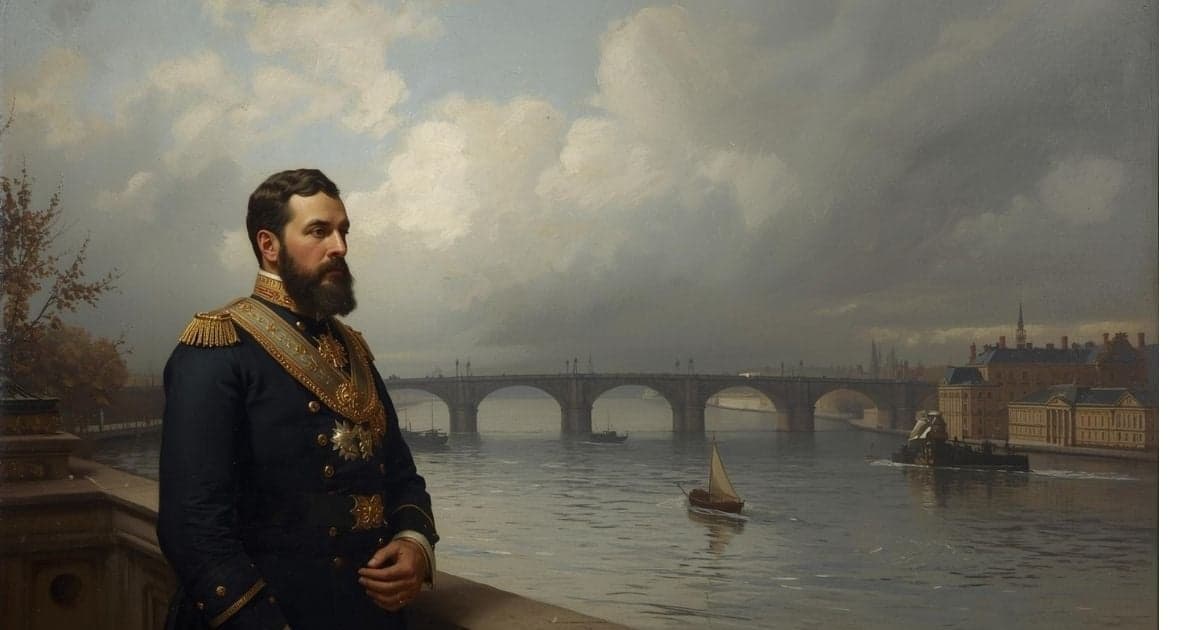
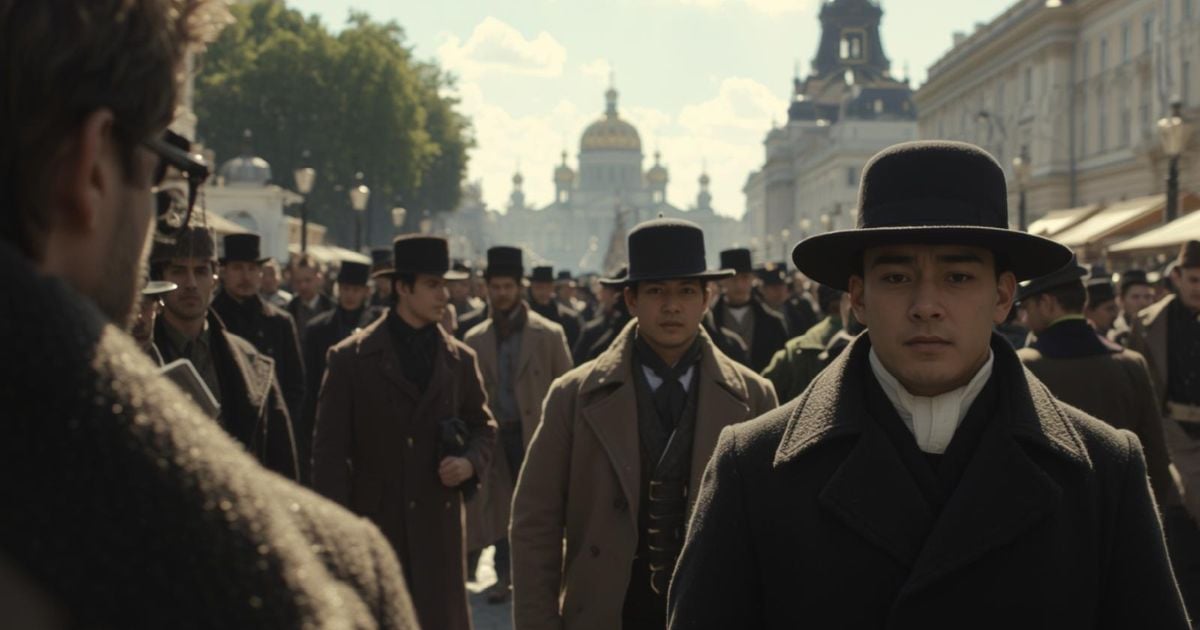
PART VI CHAPTER I A strange period began for Raskolnikov: it was as though a fog had fallen upon him and wrapped him in a dreary solitude from which there was no escape. Recalling that period long after, he believed that his mind had been clouded at times, and that it had continued so, with intervals, till the final catastrophe. He was convinced that he had been mistaken about many things at that time, for instance as to the date of certain events. Anyway, when he tried later on to piece his recollections together, he learnt a great deal about…
Public-domain chapter text, formatted for reading.
Master this chapter. Complete your experience
Purchase the complete book to access all chapters and support classic literature
Available in paperback, hardcover, and e-book formats
Now let's explore the literary elements.
Key Quotes & Analysis
"hasn’t said a word to me"
Context: At Katerina's requiem in Sonia's room
Sonia's silence after his confession hurts more than rejection would.
In Today's Words:
At the funeral service Raskolnikov notices Sonia has not said a word to him in two days and barely looked at him. After his confession, her silence is not disgust but exhaustion, and that quiet distance cuts him anyway. When you finally tell the truth, the other person's silence can feel like its own verdict.
"murderer has been found"
Context: Leaving Raskolnikov's room after the mad-or-not speech
Nikolay's confession reaches Raskolnikov through Porfiry's channel.
In Today's Words:
Razumihin tells Raskolnikov the murderer has been found and that Nikolay the painter confessed with staged tricks on the stairs. He heard it from Porfiry, who gave a psychological explanation. News that should free an innocent suspect instead terrifies a guilty man who hears the detective shaping the story.
"means of escape had come"
Context: After Razumihin leaves and Nikolay news sinks in
False hope and renewed struggle before Porfiry appears.
In Today's Words:
After Razumihin leaves, Raskolnikov feels a means of escape had come, then realizes the burden is still stifling. Nikolay's confession should open air, but Porfiry's psychology and Svidrigailov still trap him. Escape and trap can arrive in the same minute when someone else confesses for your crime.
"Speak, speak"
Context: Chapter's last line as Porfiry sits to smoke
Cliffhanger: confrontation begins but dialogue is withheld.
In Today's Words:
Porfiry sits down to smoke and Raskolnikov's heart seems to burst with Speak, speak, yet the chapter ends before the interview begins. The silence before the detective speaks is its own torture. You know the conversation will decide everything, and still neither man starts the clock on mercy or prison.
Thematic Threads
Fog
In This Chapter
Apathy, wrong dates, wandering
Development
Post-catastrophe numbness
Svidrigailov
In This Chapter
Fresh air, funeral, wall
Development
Unresolved menace
Sonia
In This Chapter
Silence at requiem
Development
Charity without words
Family
In This Chapter
Mother ill, Dounia's letter
Development
Entrusted to Razumihin
Porfiry
In This Chapter
Nikolay story, visit
Development
Interview imminent
You now have the context. Time to form your own thoughts.
Discussion Questions
This is not a test. Five prompts guide you through the chapter, from how it opens to how it closes, so you notice context and rhythm rather than facts to memorize. Sit with each question in your own words. When you see "One way to read it," treat it as a starting point, not the only answer.
- 1
After confessing to Sonia, why does Raskolnikov's mind fog and dates blur?
analysis • surfaceOne way to read it
Katerina's death and Svidrigailov's presence overload him. He drifts taverns and fever while avoiding the next obligations: family, Sonia, Porfiry.
- 2
At the requiem Sonia prays but has not spoken to him for two days. What does her silence mean?
analysis • mediumOne way to read it
She is not fleeing in disgust; she is absorbing horror and planning his path. Her hand on his shoulder is exhausted charity, not absolution.
- 3
He entrusts mother and sister to Razumihin with money and future plans. Why now?
application • mediumOne way to read it
He expects prison or death and needs someone honest to replace him. Razumihin becomes family protector while Rodya prepares surrender.
- 4
Nikolay's false confession still hangs over the case. How does it affect Rodya's sense of escape?
analysis • deepOne way to read it
Brief hope that another man will be the official killer wars with knowledge it cannot last. The fog is partly willful delay before Porfiry's final move.
- 5
The chapter ends as Porfiry is about to speak. Why stop before the accusation lands?
reflection • deepOne way to read it
Suspense shifts from crime to reckoning: readers feel the door opening on open truth. Rodya's inner fog contrasts with the investigator's clarity coming next.
Critical Thinking Exercise
Map False Closure
Describe a time you heard that a problem was solved or blamed on someone else while you knew more of the truth. Who delivered the news, what relief did you feel, and what made the relief unreliable?
Consider:
- •Who controlled the story you were told
- •Whether silence after truth-telling changed a relationship
- •What confrontation you still had to face
Coming Up Next...
Chapter 33: Porfiry Names the Murderer
Porfiry finally speaks in Sonia's stairwell interview, probing Raskolnikov while Nikolay's confession hangs over them both Part VI Chapter II is Porfiry’s long open interview in Raskolnikov’s room, not Dunya’s escape or Sonia’s Siberia offer, and not the gentle mercy scene wrongly pasted from a later confession chapter. Porfiry lights a cigarette, jokes that everything is relative, admits he entered the flat while the.