Wide Reads
Literature MattersLife IndexEducators
Sign in
Where to Begin

Svidrigailov's Visit — Crime and Punishment

Crime and Punishment - Svidrigailov's Visit

Fyodor Dostoevsky

Crime and Punishment

Svidrigailov's Visit

Home›Books›Crime and Punishment›Chapter 21: Svidrigailov's Visit
Previous
21 of 41
Next

Analysis by the Wide Reads editorial team·Reviewed against the source text·Updated November 28, 2025

Summary

Svidrigailov's Visit

Crime and Punishment by Fyodor Dostoevsky

0:000:00
Listen to Next Chapter

Raskolnikov wakes from nightmare to find Svidrigailov still in the room. Can this be still a dream? He refuses belief, but the visitor is calm: he wants acquaintance and help reaching Dunya, whom he says is prejudiced against him. Rodya cuts him off. Svidrigailov will not justify persecuting a defenceless girl, yet spins passion and reason, Switzerland elopement, even sympathy for himself. Rodya answers that right or wrong, they dislike him: We show you the door. Go out. Svidrigailov laughs and stays.

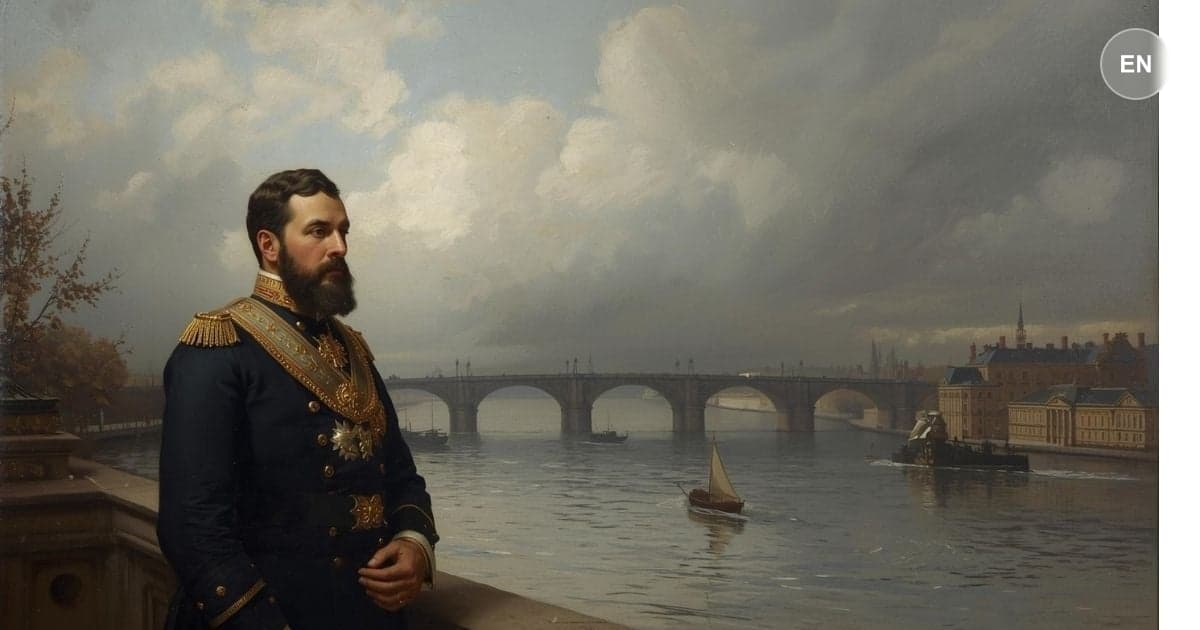
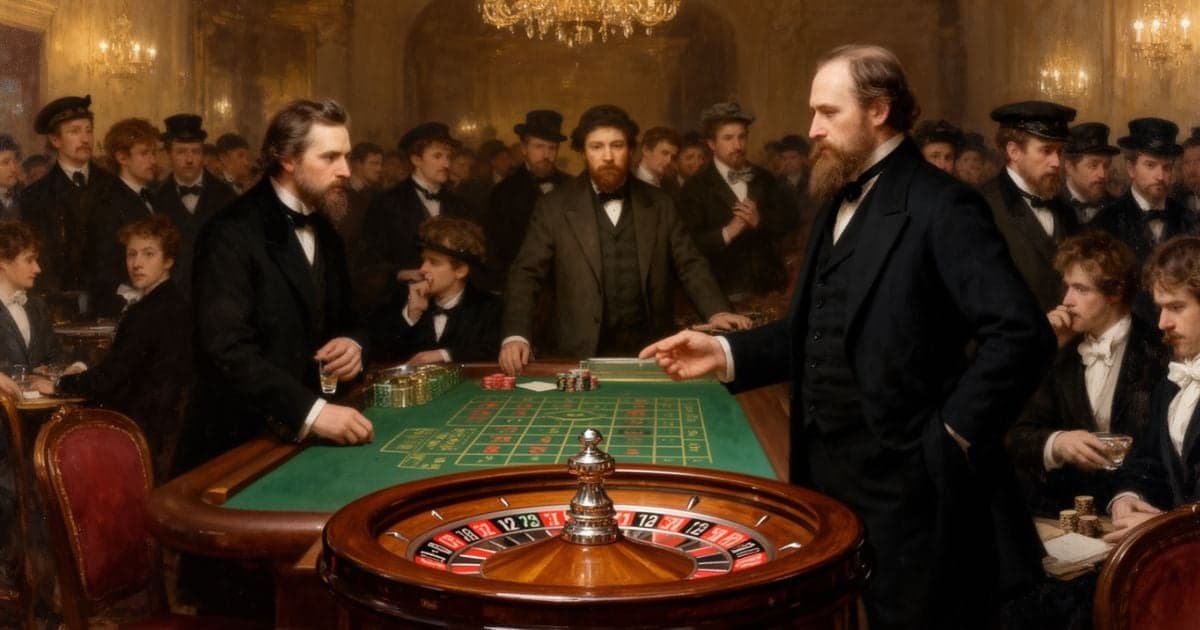
He admits Marfa Petrovna's death was ruled apoplexy after dinner and wine, yet muses on two switch strokes, the German woman on the train, and women's taste for insult. Rodya almost leaves, then stays from curiosity. Svidrigailov is bored, adaptable, vulgar when useful, a former card-sharp bought out of debt by a wife who held his IOU. He talks of Petersburg clubs, balloon rides, and anatomy as if life were a menu of distractions. He asks if Rodya believes in ghosts. Marfa Petrovna is pleased to visit me, he says: after the funeral she reminded him to wind the clock; on the train she offered cards; today in green silk she mocked his bride-hunting. He tells of servant Filka's ghost and argues sick men see other worlds. Eternity, he muses, might be one little room, like a bath house in the country, black and grimy and spiders in every corner.

Rodya rejects a future life and any comfort in it; Svidrigailov's spider eternity chills him. Half an hour ago they were enemies, now abstract talk: birds of a feather. Rodya demands the real purpose. Svidrigailov names Luzhin's match and offers ten thousand roubles to help Dunya break it, claiming no self-interest. You are certainly mad, Rodya cries. Svidrigailov presses: tell her, or he will see her himself, and says he would like one more look at her face. He adds Marfa Petrovna left Dunya three thousand roubles in her will. As he leaves, he runs into Razumihin in the doorway.

The chapter is one long duet of two damaged men who recognize each other without trust. Svidrigailov offers money, ghosts, and cynicism; Rodya offers disgust and fear. Dunya and Luzhin become the practical stake, but the horror is how easily murder's aftermath can sound like this polished monologue. Rodya never names the axe, yet the visitor keeps finding the frightened man he saw pretending asleep on the sofa.

In this chapter: Terms Characters Key Quotes Themes Modern Story

Why This Matters

Connect literature to life

Skill: Reading Charm That Wants Access

Charm with money attached is usually access shopping, not friendship. Svidrigailov will not leave Rodya's room, talks of reaching Dunya and Marfa Petrovna's death while Rodya tells him to show himself the door. When someone unwanted offers help reaching a person you protect, refuse to become their messenger no matter how reasonable they sound.

Coming Up in Chapter 22

Razumihin will collide with Svidrigailov on the stairs while Raskolnikov tries to shut the world out, and the family's lodgings will fill with new tension.

Share it with friends

PreviousPrevious ChapterNextNext Chapter
Original text
4,936 wordscomplete

Chapter 21

Svidrigailov's Visit

PART IV CHAPTER I “Can this be still a dream?” Raskolnikov thought once more. He looked carefully and suspiciously at the unexpected visitor. “Svidrigaïlov! What nonsense! It can’t be!” he said at last aloud in bewilderment. His visitor did not seem at all surprised at this exclamation. “I’ve come to you for two reasons. In the first place, I wanted to make your personal acquaintance, as I have already heard a great deal about you that is interesting and flattering; secondly, I cherish the hope that you may not refuse to assist me in a matter directly concerning the welfare…

Public-domain chapter text, formatted for reading.

Master this chapter. Complete your experience

Purchase the complete book to access all chapters and support classic literature

Buy at Powell'sBuy on Amazon

Available in paperback, hardcover, and e-book formats

Now let's explore the literary elements.

Key Quotes & Analysis

"We show you the door. Go out!"

— Raskolnikov

Context: After Svidrigailov's defense of his conduct toward Dunya

Direct rejection that Svidrigailov treats as sport, not defeat.

In Today's Words:

He tells the visitor they want nothing to do with him and orders him out. It should end the conversation. Instead the man laughs and stays, because shameless people treat a door like a suggestion. When someone will not leave, words of disgust are only the opening move.

"Marfa Petrovna is pleased to visit me"

— Arkady Svidrigailov

Context: When Raskolnikov asks if he believes in ghosts

Domestic horror dressed as comic anecdote; shows his unreliability and nerve.

In Today's Words:

He says his dead wife is pleased to visit him and then tells silly stories about clocks and dresses. Whether you believe ghosts or not, the point is how calmly he narrates harm. People who joke about the dead while asking for favors are telling you what kind of ally they would be.

"one little room, like a bath house in the country, black and grimy and spiders in every corner, and that’s all eternity is?"

— Arkady Svidrigailov

Context: After Raskolnikov says he does not believe in a future life

Nihilist eternity that mirrors Rodya's cramped guilt-ridden world.

In Today's Words:

He imagines eternity not as heaven but as one dirty bath house room full of spiders. It is meant to shock, yet it matches how trapped Rodya already feels. When a person describes forever as claustrophobia, listen for someone who has already given up on moral comfort.

"we were birds of a feather?"

— Arkady Svidrigailov

Context: After abstract talk replaced open hostility

He claims kinship with a murderer without naming the crime.

In Today's Words:

After trading insults they drift into philosophy, and he says they are birds of a feather. That is how predators bond: not by confessing, but by implying you share the same darkness. If someone insists you are alike before you agree, guard your name and your family.

Thematic Threads

Svidrigailov

In This Chapter

Full visit after nightmare

Development

From intruder to mirror and threat

Dounia

In This Chapter

Luzhin match, money offers

Development

Family stake enters through villain

Guilt

In This Chapter

Rodya recognizes kinship he denies

Development

Abstract talk instead of confession

Death

In This Chapter

Marfa, ghosts, spider eternity

Development

Afterlife shrunk to grime

Money

In This Chapter

Ten thousand and three thousand

Development

Repair offered as control

You now have the context. Time to form your own thoughts.

Discussion Questions

This is not a test. Five prompts guide you through the chapter, from how it opens to how it closes, so you notice context and rhythm rather than facts to memorize. Sit with each question in your own words. When you see "One way to read it," treat it as a starting point, not the only answer.

  1. 1

    What does Svidrigailov want from Raskolnikov, and how does Rodya answer his claim on Dunya?

    ▶One way to read it

    He asks for acquaintance and help reaching Dunya, whom he calls prejudiced. Rodya refuses justification and tells him they dislike him and he should go, yet Svidrigailov stays seated and amused.

    analysis • surface
  2. 2

    How does Svidrigailov describe Marfa Petrovna's death, ghosts, and his boredom?

    ▶One way to read it

    He mixes apoplexy after dinner with switch strokes, spectral visits, and vulgar entertainments. The portrait is a man without inner law who fills emptiness with clubs, women, and ghost stories.

    analysis • medium
  3. 3

    He offers ten thousand roubles to break Luzhin's match and see Dunya once. Why is that offer dangerous?

    ▶One way to read it

    It turns Dunya into a purchasable object and reopens the wound of Svidrigailov's past pursuit. Rodya sees a predator with money where Luzhin had respectability.

    application • medium
  4. 4

    Svidrigailov asks whether Rodya believes in ghosts and eternity in a bath house. What does that probe?

    ▶One way to read it

    He tests whether Rodya shares his moral vertigo: life as endless sensual repetition without judgment. The image disturbs because it mirrors nihilism after murder.

    analysis • deep
  5. 5

    The chapter ends with Svidrigailov on the stairs watching Rodya leave. What new threat does he introduce?

    ▶One way to read it

    He is the past that knows Dunya, has cash, and feels no shame. While Porfiry circles legally, Svidrigailov can harm the family socially and physically without a courtroom.

    reflection • deep

Critical Thinking Exercise

Audit the Visitor's Offer

List three things Svidrigailov wants from Raskolnikov in this chapter. For each, note what he offers in return and whether it helps Dunya or mainly helps him. Write one sentence you would use to refuse being a messenger.

Consider:

  • •Separate apology from access
  • •Treat money tied to control as leverage
  • •Do not accept kinship you did not choose

Coming Up Next...

Chapter 22: Breaking with Luzhin

Razumihin will collide with Svidrigailov on the stairs while Raskolnikov tries to shut the world out, and the family's lodgings will fill with new tension.

Continue to Chapter 22
Previous
Murderer in the Street
Contents
Next
Breaking with Luzhin
Keep exploring

Continue Exploring

Study guides, teaching tools, themes, and the full library.More ways to read Crime and Punishment: study guides, teaching tools, and the wider library.

  • Crime and Punishment Study Guide
  • Teaching Resources
  • Essential Life Index
  • Browse by Theme
  • All Books

Life-skill deep dives in Crime and Punishment

  • Recognizing Dangerous RationalizationExplore recognizing dangerous rationalization through Crime and Punishment by Dostoevsky. Timeless wisdom for modern life.
  • The Path to Redemption Through TruthDiscover why authentic transformation requires confronting reality and confessing truth—not constructing better excuses in Crime and Punishment.
  • Understanding Guilt and ConscienceSee how conscience operates through lived experience, not intellectual principles—and why you can
Moral Dilemmas & EthicsIdentity & Self-Discovery

You Might Also Like

The Idiot cover

The Idiot

Fyodor Dostoevsky

Also by Fyodor Dostoevsky

The Brothers Karamazov cover

The Brothers Karamazov

Fyodor Dostoevsky

Also by Fyodor Dostoevsky

The Gambler cover

The Gambler

Fyodor Dostoevsky

Also by Fyodor Dostoevsky

The Picture of Dorian Gray cover

The Picture of Dorian Gray

Oscar Wilde

Explores morality & ethics

Browse all 106+ books

Share This Chapter

Know someone who'd enjoy this? Spread the wisdom!

TwitterFacebookLinkedInEmail

Go further with Prestige

Unlock study guides and downloads, early access, and exclusive content — and support free access for everyone.

Subscribe to PrestigeCreate free account
Intelligence Amplifier
Intelligence Amplifier™Powering Wide Reads

Exploring human-AI collaboration through books, essays, and philosophical dialogues. Classic literature transformed into navigational maps for modern life.

2025 Books

→ The Amplified Human Spirit→ The Alarming Rise of Stupidity Amplified→ San Francisco: The AI Capital of the World
Visit intelligenceamplifier.org
hello@widereads.com

WideReads Originals

→ You Are Not Lost→ The Last Chapter First→ The Lit of Love→ Wealth and Poverty→ Wisdom for the Wounded
Arvintech
arvintechAmplify your Mind
Visit at arvintech.com

Navigate

  • Home
  • Library
  • Essential Life Index
  • How It Works
  • Subscribe
  • Account
  • About
  • Contact
  • Authors
  • Suggest a Book
  • Landings

Made For You

  • Trending
  • Students
  • Educators
  • Families
  • Readers
  • Literary Analysis
  • Finding Purpose
  • Letting Go
  • Recovering from a Breakup
  • Corruption
  • Gaslighting in the Classics

Newsletter

Weekly insights from the classics. Amplify Your Mind.

Legal

  • Privacy Policy
  • Terms of Service
  • Editorial Standards
  • Cookie Policy
  • Accessibility

Why Public Domain?

We focus on public domain classics because these timeless works belong to everyone. No paywalls, no restrictions—just wisdom that has stood the test of centuries, freely accessible to all readers.

Public domain books have shaped humanity's understanding of love, justice, ambition, and the human condition. By amplifying these works, we help preserve and share literature that truly belongs to the world.

A Pilgrimage

Powell's City of Books

Portland, Oregon

If you ever find yourself in Portland, walk to the corner of Burnside and 10th. The building takes up an entire city block. Inside is over a million books, new and used on the same shelf, organized by color-coded rooms with names like the Rose Room and the Pearl Room. You can lose an afternoon. You can lose a weekend. You will find a book you have been looking for your whole life, and three you did not know existed.

It is a pilgrimage. We cannot find a bookstore like it anywhere on earth. If you read the classics, and you ever get the chance, go. It belongs on every reader's bucket list.

Visit powells.com

We are not in any way affiliated with Powell's. We are just a very big fan.

© 2026 Wide Reads™. All Rights Reserved.

Intelligence Amplifier™ and Wide Reads™ are proprietary trademarks of Arvin Lioanag.

Copyright Protection: All original content, analyses, discussion questions, pedagogical frameworks, and methodology are protected by U.S. and international copyright law. Unauthorized reproduction, distribution, web scraping, or use for AI training is strictly prohibited. See our Copyright Notice for details.

Disclaimer: The information provided on this website is for general informational and educational purposes only and does not constitute professional, legal, financial, or technical advice. While we strive to ensure accuracy and relevance, we make no warranties regarding completeness, reliability, or suitability. Any reliance on such information is at your own risk. We are not liable for any losses or damages arising from use of this site. By using this site, you agree to these terms.