Master this chapter. Complete your experience
Purchase the complete book to access all chapters and support classic literature
As an Amazon Associate, we earn a small commission from qualifying purchases at no additional cost to you.
Available in paperback, hardcover, and e-book formats
Why This Matters
Connect literature to life
This chapter teaches how to recognize when desperation starts making wrong choices seem reasonable—before you cross lines you can't uncross.
Now let's explore the literary elements.
Key Quotes & Analysis
"I want to attempt a thing like that and am frightened by these trifles!"
Context: He's walking through the streets, amazed that he fears small social interactions when he's planning something much worse.
This reveals the disconnect between his grand, terrible plan and his inability to handle everyday life. It shows how isolation and obsession can warp someone's sense of proportion and reality.
"Am I capable of that? Is that serious? It is not serious at all."
Context: His internal debate about whether he can actually carry out his mysterious plan.
The repetition shows his mind going in circles, trying to convince himself. This self-questioning reveals he still has a conscience fighting against his rationalization - he's not yet completely lost.
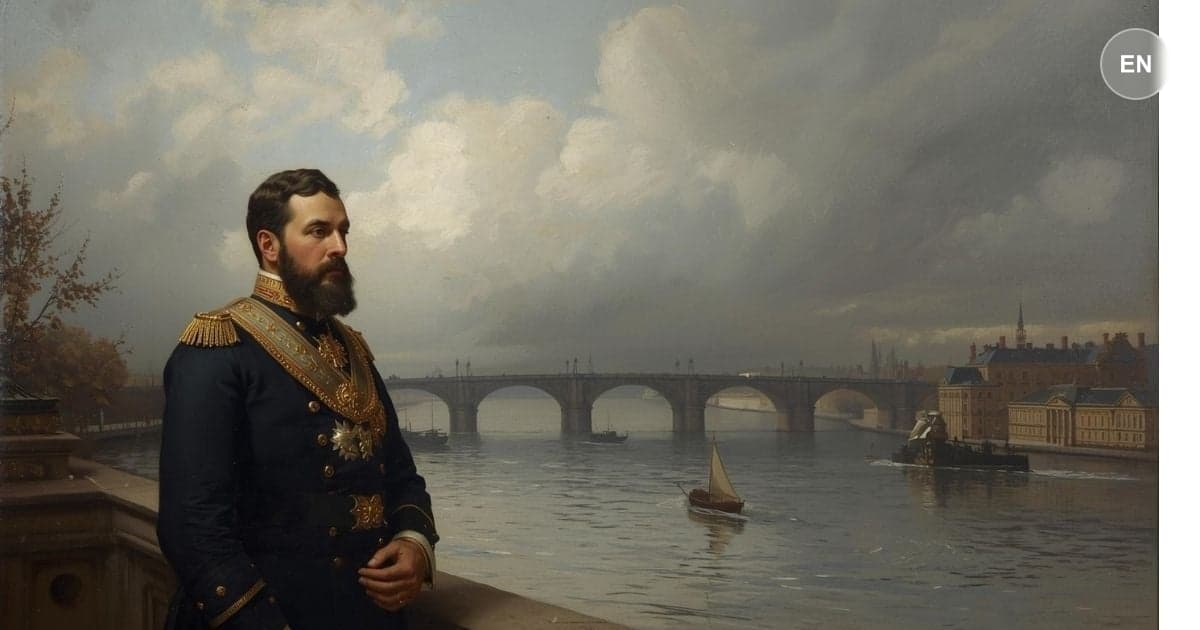
"On an exceptionally hot evening early in July a young man came out of the garret in which he lodged in S. Place and walked slowly, as though in hesitation, towards K. bridge."
Context: The opening lines of the novel, setting the scene.
The hesitation in his walk mirrors his mental state - he's moving toward something but unsure. The oppressive heat reflects his fevered mental condition and the pressure building inside him.
Thematic Threads
Pride
In This Chapter
Raskolnikov's refusal to accept help or acknowledge his desperate circumstances, preferring dangerous isolation to wounded dignity
Development
Introduced here
Class
In This Chapter
The crushing weight of poverty forcing an educated man to pawn family heirlooms while his landlady demands rent he cannot pay
Development
Introduced here
Isolation
In This Chapter
Raskolnikov's self-imposed confinement in his coffin-like room, cutting himself off from human connection when he needs it most
Development
Introduced here
Rationalization
In This Chapter
The 'terrible idea' that haunts him—his mind working to justify something his conscience rejects
Development
Introduced here
Identity
In This Chapter
The gap between who he was (law student) and who he's become (desperate pauper), creating internal conflict about his worth and options
Development
Introduced here
You now have the context. Time to form your own thoughts.
Discussion Questions
- 1
What specific circumstances have trapped Raskolnikov in his tiny room, and what 'terrible idea' is consuming his thoughts?
- 2
How does Raskolnikov's pride prevent him from accepting help or finding legitimate solutions to his poverty?
- 3
Where do you see people today convincing themselves that desperate circumstances justify questionable actions?
- 4
If you had a friend like Raskolnikov, spiraling into dangerous thinking due to desperation, how would you intervene?
- 5
What does this chapter reveal about how isolation and pride can transform good people into potential wrongdoers?
Critical Thinking Exercise
Map Your Rationalization Red Flags
Think of a time when you were under serious pressure—financial, work, family, or personal. Write down the thoughts that went through your head about 'bending the rules' or doing something you normally wouldn't consider. Then identify what warning signs could have helped you recognize when desperation was affecting your judgment.
Consider:
- •Notice how isolation made questionable options seem more reasonable
- •Identify which emotions (pride, anger, fear) were driving your thinking
- •Consider what support or perspective could have helped you navigate differently
Coming Up Next...
Chapter 2: Marmeladov's Confession
Raskolnikov's mysterious 'rehearsal' takes him to a pawnbroker's apartment, where he studies the old woman's routine with disturbing intensity. The terrible idea that's been consuming him starts to take concrete shape.