Chapter 79
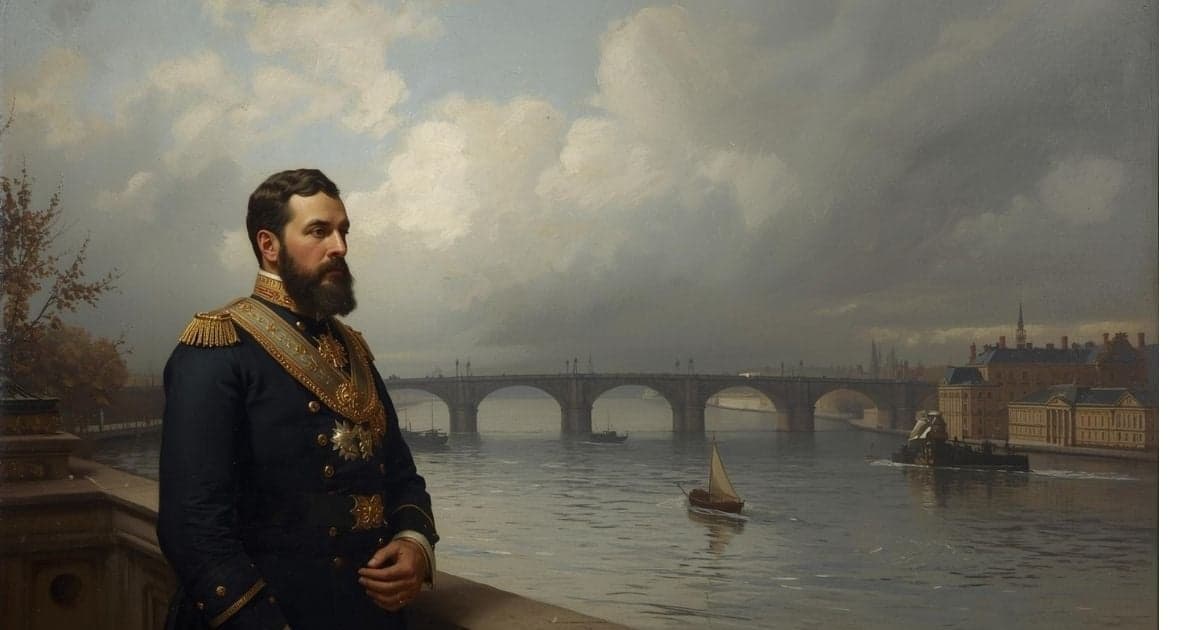
On the balcony Dolly finally turns to Kitty
“Kitty writes to me that there’s nothing she longs for so much as quiet and solitude,” Dolly said after the silence that had followed. “And how is she—better?” Levin asked in agitation. “Thank God, she’s quite well again. I never believed her lungs were affected.” “Oh, I’m very glad!” said Levin, and Dolly fancied she saw something touching, helpless, in his face as he said this and looked silently into her face. “Let me ask you, Konstantin Dmitrievitch,” said Darya Alexandrovna, smiling her kindly and rather mocking smile, “why is it you are angry with Kitty?” “I? I’m not angry…
Public-domain chapter text, formatted for reading.
Master this chapter. Complete your experience
Purchase the complete book to access all chapters and support classic literature
Available in paperback, hardcover, and e-book formats
Now let's explore the literary elements.
Key Quotes & Analysis
"why is it you are angry with Kitty?"
Context: Dolly opens the personal conversation Levin has been dreading since Kitty's arrival was announced
The kindly mocking tone names what Levin denies. His anger is really hurt pride dressed as indifference.
In Today's Words:
Dolly asks the question directly because Levin's behavior already answers it. He skipped visits in Moscow, flushes when Kitty is mentioned, and insists he is fine while acting wounded. Many people recognize this pattern: hurt disguised as distance because admitting pain feels more dangerous than performing anger.
"for you men, who are free and make your own choice, it’s always clear whom you love. But a girl’s in a position of suspense"
Context: Dolly explains why Kitty could not answer Levin's proposal clearly
She articulates unequal courtship rules: men gather information and decide; women wait under modesty constraints and can only say yes or no.
In Today's Words:
Dolly is describing asymmetric dating before modern language existed for it. Men can circulate, compare, and propose on their own timeline, while a young woman watches from a distance and must respond without the freedom to explore first. That imbalance can look like rejection when it is actually paralysis under social rules.
"It’s just as if a child of yours were dead, and they were to say to you: He would have been like this and like that, and he might have lived"
Context: Levin rejects Dolly's suggestion that Kitty's refusal proved nothing
He treats the lost possibility as final grief, not an open question. Pride converts ambiguity into a closed door.
In Today's Words:
Levin is saying hope itself has become unbearable. Dolly offers a reinterpretation that could reopen the future, but he experiences that as cruelty, like describing a living child to someone mourning a death. When pride owns the story, consolation feels like reopening a wound rather than offering clarity.
"Learning French and unlearning sincerity"
Context: Levin judges Dolly's French drill with Tanya after their emotional talk
Levin equates social training with moral loss, unaware Dolly has already weighed that tradeoff deliberately.
In Today's Words:
Levin watches Dolly prompt Tanya in French and decides the lesson teaches performance instead of honesty. He does not know Dolly has wrestled with the same cost twenty times. Parents often choose polish that looks false to guests while believing it protects a child's future options in a status-conscious world.
Thematic Threads
Unequal courtship
In This Chapter
Dolly explains that Levin could observe and decide while Kitty remained in modest suspense between him and Vronsky.
Development
Deepens the Kitty-Levin-Vronsky triangle by reframing refusal as social constraint rather than settled feeling.
In Your Life:
You may notice when one person gets to explore options openly while another must wait to be chosen without equal agency.
Pride as closure
In This Chapter
Levin treats his rejected proposal as a dead possibility and rejects any thought of Katerina Alexandrovna as utterly out of the question.
Development
Shows how wounded dignity can masquerade as principled finality when hope feels humiliating.
In Your Life:
A sharp no can make you slam a door permanently even when later context might have changed the answer.
Parenting ideals under pressure
In This Chapter
Levin scorns French drills, then the children's brutal fight shatters Dolly's pride and triggers his private vows about better child-rearing.
Development
Undercuts both characters' moral confidence by ending in domestic chaos neither can fully explain.
In Your Life:
Judging another parent's methods is easier until ordinary sibling conflict reveals how fragile your own ideals are.
You now have the context. Time to form your own thoughts.
Discussion Questions
This is not a test. Five prompts guide you through the chapter, from how it opens to how it closes, so you notice context and rhythm rather than facts to memorize. Sit with each question in your own words. When you see "One way to read it," treat it as a starting point, not the only answer.
- 1
Why does Dolly say she is awfully sorry for Kitty rather than for Levin?
analysis • surfaceOne way to read it
She believes Kitty suffered in a constrained position while Levin mainly suffers from wounded pride. Dolly reads the refusal as misery and suspense, not a final judgment against him.
- 2
What does Dolly mean when she says a girl is in a position of suspense?
analysis • mediumOne way to read it
Men can visit, compare, and propose when ready, but a modest girl cannot initiate courtship. She can only answer yes or no while observing suitors from a distance under strict social rules.
- 3
When have you seen someone treat a maybe as a forever no because pride felt safer than hope?
application • mediumOne way to read it
Levin closes the Kitty door permanently after Dolly suggests the refusal proved nothing. One modern parallel is ending contact after one rejection rather than allowing context or timing to change.
- 4
Why does Levin's mood toward Dolly's household change after the French lesson?
application • deepOne way to read it
He reads the French drill as false refinement and decides the children are losing sincerity. The emotional talk has already unsettled him, so parenting choices now look like evidence of deeper inauthenticity.
- 5
How does the children's fight reshape the chapter's ending?
reflection • deepOne way to read it
It destroys Dolly's pride and silences further talk with Levin. His hollow reassurance and private vow that his own children will be different show judgment replacing empathy just when Dolly needed presence.
Critical Thinking Exercise
Re-read a Refusal
Think of a romantic or professional rejection you treated as final. Write what you concluded at the time, then list any constraints the other person may have faced that you did not weigh equally with your own hurt.
Consider:
- •Separate the words spoken from the power or timing imbalance in the situation
- •Ask whether pride closed the story before new information could arrive
- •Note if you later judged unrelated behavior, like Levin judging French lessons, because the core wound was still active
Journaling Prompt
Write about a moment when someone tried to reinterpret a no for you. Did it feel like hope or like rubbing salt in the wound, and why?
Coming Up Next...
Chapter 80
Levin will return to estate business and hay pricing on his sister's land, while the emotional aftershocks of Kitty, pride, and Dolly's ruined day linger beneath his practical work In mid-July the village elder from Levin's sister's estate reports that the hay is cut and already divided. Levin hears vague answers about the principal meadow, notices the elder divided the crop without permission, and.