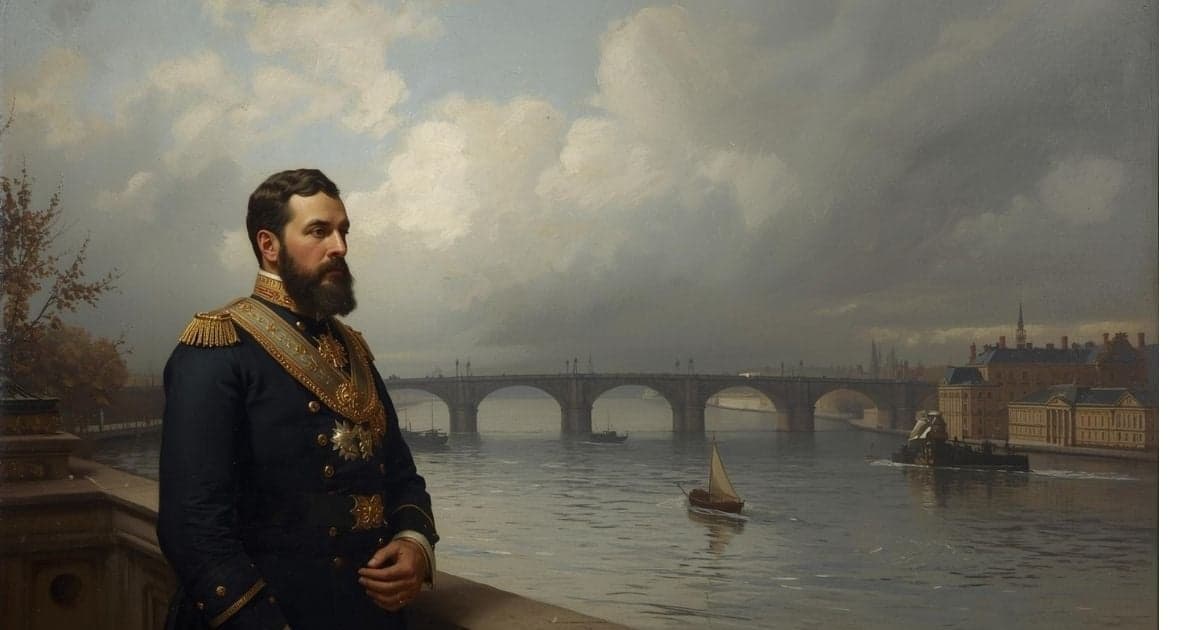
Chapter 57
Vronsky presses Anna to end the half-life they are living and insis...
Vronsky had several times already, though not so resolutely as now, tried to bring her to consider their position, and every time he had been confronted by the same superficiality and triviality with which she met his appeal now. It was as though there were something in this which she could not or would not face, as though directly she began to speak of this, she, the real Anna, retreated somehow into herself, and another strange and unaccountable woman came out, whom he did not love, and whom he feared, and who was in opposition to him. But today he…
Public-domain chapter text, formatted for reading.
Master this chapter. Complete your experience
Purchase the complete book to access all chapters and support classic literature
Available in paperback, hardcover, and e-book formats
Now let's explore the literary elements.
Key Quotes & Analysis
"Tell him everything, and leave him."
Context: Vronsky states the direct plan Anna keeps evading.
He frames honesty and departure as the only coherent path forward.
In Today's Words:
He wants the chaos replaced by one clean decision: disclose the truth, end the marriage, and stop splitting life into hidden and public tracks. In present-day terms, this is the partner asking for clarity now, without fully grasping how legal, parental, and social consequences will land on her first.
"He’s not a man, but a machine, and a spiteful machine when he’s angry,"
Context: Anna performs the speech she expects from her husband.
Her mock quotation is defense, prophecy, and accusation at once.
In Today's Words:
She imitates the formal indictment before anyone can deliver it, using sarcasm as armor against shame. Today this sounds like someone pre-rehearsing the legal and moral script that will be used against her, because controlling the script for ten seconds feels safer than waiting to be judged in real time.
"Never. Leave it to me."
Context: Anna begs Vronsky to stop pressing the decision.
The concise command reveals control through containment.
In Today's Words:
She is not saying the problem is small; she is saying naming it makes it unbearable. In modern language, this is the moment when a person can discuss desire but cannot yet discuss custody, fallout, and identity collapse, so she asks for silence to keep functioning through the day.
"Tonight, at one o’clock,"
Context: After conflict, she fixes the hour for their secret meeting.
Time scheduling replaces structural decision-making.
In Today's Words:
Instead of resolving the future, they optimize secrecy in the present by setting a precise hour. It is the familiar compromise of an affair under pressure: no plan for consequences, but excellent logistics for the next encounter, which keeps intimacy alive while the central conflict remains untouched and grows heavier.
Thematic Threads
Unspeakable motherhood
In This Chapter
Anna breaks off whenever the conversation reaches what leaving would mean for Seryozha.
Development
Maternal attachment moves from background feeling to the hidden center of her avoidance.
In Your Life:
Hard choices often stall where duty to children or dependents cannot be cleanly reconciled with adult desire.
Irony as armor
In This Chapter
She mocks Karenin's voice and legal phrasing to keep emotional control during confrontation.
Development
Speech becomes performance, showing how wit can protect against panic.
In Your Life:
Sarcasm can signal that someone feels cornered, not that they do not care.
Scheduling instead of deciding
In This Chapter
The chapter ends with a precise clandestine appointment rather than a structural plan.
Development
Immediate logistics replace long-term resolution, deepening the double life.
In Your Life:
When calendars stay detailed but values stay unspoken, conflict usually compounds.
You now have the context. Time to form your own thoughts.
Discussion Questions
This is not a test. Five prompts guide you through the chapter, from how it opens to how it closes, so you notice context and rhythm rather than facts to memorize. Sit with each question in your own words. When you see "One way to read it," treat it as a starting point, not the only answer.
- 1
What concrete action does Vronsky demand at the start of the conversation, and why does he think it is necessary?
analysis • surfaceOne way to read it
He tells Anna to confess everything to Karenin and leave. He believes their current secrecy is unbearable and that only a direct step can end the strain.
- 2
How does Anna's imitation of Karenin change the tone and direction of the scene?
analysis • mediumOne way to read it
Her mimicry turns a practical discussion into a performance of anticipated judgment. It lets her display how trapped she feels while also blocking the decision Vronsky wants.
- 3
Where in this chapter do you see someone using humor or sarcasm to protect a deeper fear?
application • mediumOne way to read it
Anna's witty, cutting voice protects her from naming what losing her son might mean. In current life, people often joke right before a topic they feel could shatter them.
- 4
Why does the word connected to Seryozha matter more than Vronsky realizes in this argument?
application • deepOne way to read it
For Anna, that word carries identity, guilt, and future consequences all at once. Vronsky hears delay, but she experiences a threshold she cannot cross without emotional collapse.
- 5
What does the shift from pleading to 'Tonight, at one o'clock' suggest about the kind of stability this relationship can offer right now?
reflection • deepOne way to read it
It suggests they can sustain intense closeness in short windows but cannot yet sustain a shared life plan. The chapter invites readers to ask whether secrecy logistics can substitute for real decisions for long.
Critical Thinking Exercise
Find the Unsayable Word
Choose one unresolved conflict in your life. Write two short scripts: first, how you usually discuss it; second, what you avoid naming directly. Then write one sentence that names the avoided stake in plain language and test how the conversation would change if that sentence came first.
Consider:
- •Notice where your tone shifts from direct speech to irony, jokes, or abstraction
- •Separate what is socially embarrassing from what is genuinely nonnegotiable
- •Identify one boundary you can state without attacking the other person
Journaling Prompt
Describe a time when you argued about logistics but were actually afraid of losing something deeper. What was the deeper stake, and how did hiding it shape the outcome?
Coming Up Next...
Chapter 58
Still shaken after leaving Anna, Vronsky reaches the race grounds late, tries to focus, and enters the charged pre-race crowd where one split attention can cost everything After leaving Anna, Vronsky is so agitated he cannot read the time on his own watch, moving through mud and routine almost on automatic memory. He still keeps his promise to visit Bryansky, arrives late, then races.