Chapter 03
Stiva finishes dressing, scents himself, and walks into breakfast f...
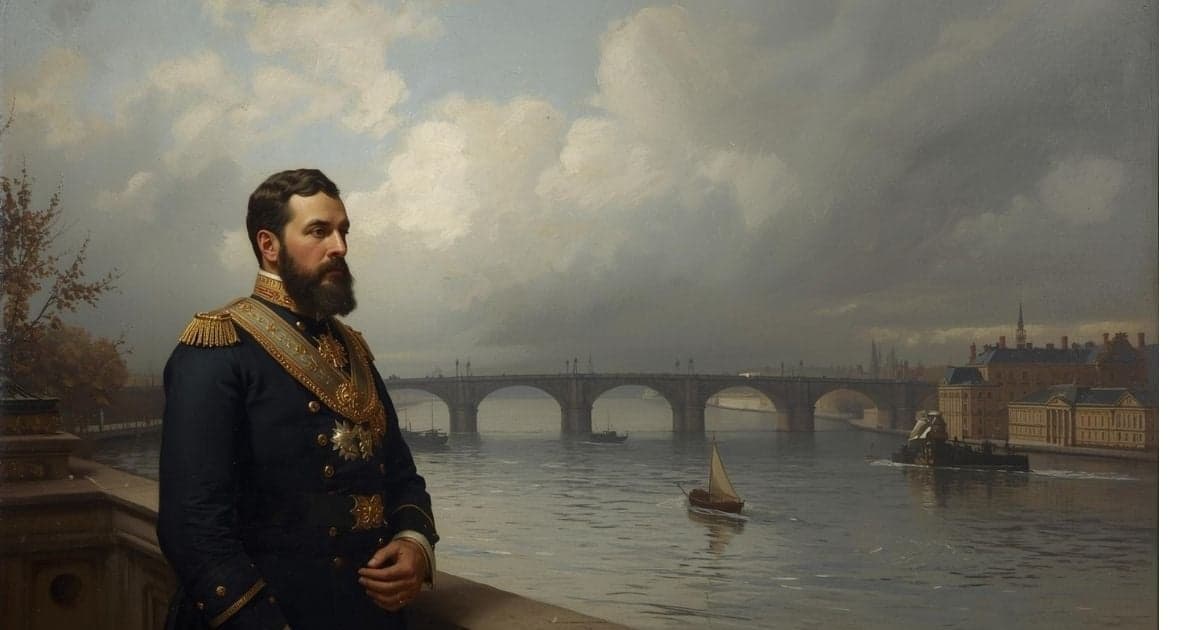
When he was dressed, Stepan Arkadyevitch sprinkled some scent on himself, pulled down his shirt-cuffs, distributed into his pockets his cigarettes, pocketbook, matches, and watch with its double chain and seals, and shaking out his handkerchief, feeling himself clean, fragrant, healthy, and physically at ease, in spite of his unhappiness, he walked with a slight swing on each leg into the dining-room, where coffee was already waiting for him, and beside the coffee, letters and papers from the office. He read the letters. One was very unpleasant, from a merchant who was buying a forest on his wife’s property. To…
Public-domain chapter text, formatted for reading.
Master this chapter. Complete your experience
Purchase the complete book to access all chapters and support classic literature
Available in paperback, hardcover, and e-book formats
Now let's explore the literary elements.
Key Quotes & Analysis
"feeling himself clean, fragrant, healthy, and physically at ease, in spite of his unhappiness"
Context: Stiva finishes dressing and walks to coffee after the affair crisis
Tolstoy pins Stiva's moral problem to the body: comfort arrives on schedule even when the marriage does not. Physical ease lets him mistake readiness for repair.
In Today's Words:
You can shower, smell good, and feel healthy while the relationship you broke is still on fire. At work that is the colleague who dresses sharp and jokes through Monday even after a blowup everyone heard about. The body says you are fine long before you are.
"The most unpleasant thing of all was that his pecuniary interests should in this way enter into the question of his reconciliation with his wife."
Context: Letter about the forest sale on Dolly's property
Stiva wants reconciliation to look like feeling, not finance. The insult is not only greed but the exposure that practical need might drive what he still frames as domestic repair.
In Today's Words:
He hates that money might be the real reason to go back to his wife. People say they want to fix things for love, then discover the mortgage, the visa, or the partnership stake needs a united front first. The shame is needing her signature while performing remorse.
"Liberalism had become a habit of Stepan Arkadyevitch’s, and he liked his newspaper, as he did his cigar after dinner, for the slight fog it diffused in his brain."
Context: After the satirical articles on radicalism and traditionalism
His politics are consumption, not conviction: opinions arrive ready-made and blur distress. Each plank happens to excuse his debts, marriage, and boredom in church.
In Today's Words:
His liberal views are a morning habit like coffee, not a argued position. Scroll the feed that matches your crowd, feel informed, and avoid the fight at home. The fog is the point: you get moral atmosphere without changing behavior or paying a personal cost.
"Except deceit and lying nothing could come of it now; and deceit and lying were opposed to his nature."
Context: Stiva decides whether to enter Dolly's bedroom
He names the truth, then walks toward performance anyway. He believes he is honest by nature, which is exactly why he can plan falsity and still feel like the reasonable party.
In Today's Words:
He admits only lies could fix the marriage now, then claims lying is not who he is and goes in anyway. That is the apology that centers your discomfort while skipping the harm. You call yourself direct, then rehearse the face that will get you through the door.
Thematic Threads
Performed normalcy
In This Chapter
Stiva's grooming, newspaper, and digestion smile reset guilt until memory returns
Development
Continues Ch 2 denial; leads to Ch 4 bedroom confrontation
In Your Life:
Looking put-together can postpone accountability without resolving harm.
Convenient principles
In This Chapter
Liberal opinions Stiva never chose fit his debts, marriage, and church boredom like a hat off a rack
Development
Tolstoy's satire on views that match lifestyle, not conviction
In Your Life:
Notice when your beliefs align suspiciously with what keeps you comfortable.
You now have the context. Time to form your own thoughts.
Discussion Questions
This is not a test. Five prompts guide you through the chapter, from how it opens to how it closes, so you notice context and rhythm rather than facts to memorize. Sit with each question in your own words. When you see "One way to read it," treat it as a starting point, not the only answer.
- 1
Why can Stiva feel "physically at ease" in spite of his unhappiness as he walks to coffee?
analysis • surfaceOne way to read it
Routine and grooming still work; his body delivers comfort before conscience fully lands, so he can look ready while the marriage is not.
- 2
How does Tolstoy use Stiva's liberal newspaper to show that his opinions match his convenience rather than his convictions?
analysis • mediumOne way to read it
He never chose the views; they fit his debts, bored marriage, and church impatience like a hat, and the paper blurs distress the way a cigar does.
- 3
When have you used busyness, competence elsewhere, or "staying informed" to postpone a hard conversation you owed someone?
application • mediumOne way to read it
One honest parallel is finishing useful tasks or scrolling news while avoiding the person hurt until pressure forces the talk.
- 4
Tanya blushes when Stiva asks lightly if Dolly is cheerful. What does that blush reveal about children and performed normalcy?
application • deepOne way to read it
She knows the question is false and is ashamed for him; kids read adult scripts and feel when cheerfulness is being faked after a quarrel.
- 5
Stiva says deceit is opposed to his nature, then opens Dolly's bedroom door. What would genuine repair require that he is not offering?
reflection • deepOne way to read it
More than a visit or a performed apology: naming the affair's harm, giving up the script, and accepting that reconciliation cannot be only convenience or optics.
Critical Thinking Exercise
Rewrite the Morning from Dolly's Perspective
Write a short paragraph describing this same morning from Dolly's point of view. What is she thinking and feeling as she hears Oblonsky moving around the house? What specific details would matter to her that Oblonsky completely misses? Focus on the gap between what he assumes she's thinking versus what she might actually be experiencing.
Consider:
- •How might discovering the affair have changed how she sees their entire marriage?
- •What practical worries might she have beyond just feeling betrayed?
- •How does the chaos in the household affect her differently than it affects him?
Journaling Prompt
Write about a time when someone hurt you but seemed genuinely confused about why you were upset. What were they missing about your actual experience?
Coming Up Next...
Chapter 4
Stiva opens Dolly's bedroom door and finds her at the bureau amid scattered belongings, trapped between leaving and staying. The confrontation they have postponed all morning finally begins Dolly stands at an open bureau in a wrecked bedroom, hair pinned thin on her neck, pretending for the tenth time in three days that she will pack the children and go to her mother. She.