Wide Reads
Literature MattersLife IndexEducators
Sign in
Where to Begin
Anna Karenina - Chapter 33

Leo Tolstoy

Anna Karenina

Chapter 33

Home›Books›Anna Karenina›Chapter 33
Previous
33 of 239
Next

Summary

Chapter 33

Anna Karenina by Leo Tolstoy

0:000:00
Listen to Next Chapter

Alexey Alexandrovitch comes back from his meeting at four o'clock, but as often happens, he doesn't come to see Anna. He goes straight to his study to see people with petitions and sign papers. At dinner time, guests arrive as usual - an old lady cousin, the chief secretary and his wife, and a young man seeking patronage. Anna goes into the drawing-room to receive them and play her role as hostess. This is the life she's returned to - formal dinners, proper guests, bureaucratic conversation. Through the evening, Anna maintains appearances perfectly. She's practiced at this. But something has shifted. The chapter tracks the subtle ways she's different now, how she's going through the motions while feeling increasingly hollow. At some point during the evening or after, Anna recalls Vronsky's glance at Alexey Alexandrovitch. We don't get the full context - when did Vronsky see Karenin? Was it at the train station? Somewhere else? But the memory troubles her: "And what right had he to look at him like that?" she thinks. There's possessiveness in her reaction, a sense that Vronsky's gaze at her husband crossed some boundary. Later, when undressing for bed, Tolstoy gives us one of his most telling descriptions: "But her face had none of the eagerness which, during her stay in Moscow, had fairly flashed from her eyes and her smile; on the contrary, now the fire seemed quenched in her, hidden somewhere far away." This is what's happened to Anna. In Moscow, she was alive - the fire flashed from her eyes and smile. But back in Petersburg, back in her proper life with her husband and formal dinners and polite society, the fire has been quenched. Or not quenched exactly - "hidden somewhere far away." It still exists, but she's buried it, pushed it down, tried to return to normal. The chapter shows the impossibility of what Anna is attempting. She thinks she can go back to her old life, pretend nothing happened, be the same person she was before. But that fire can't stay hidden forever. Vronsky has awakened something in her that won't be easily extinguished. The very fact that she's thinking about his glance at her husband, that she's troubled by it, shows that he's still very much present in her mind even as she goes through the routines of her Petersburg existence.

Coming Up in Chapter 34

The emotional aftermath of seeing Seryozha leaves Anna more conflicted than ever about her choices. Meanwhile, Karenin discovers evidence of Anna's visit and must decide how to respond to this violation of their arrangement.

Share it with friends

Previous ChapterNext Chapter
GO ADS FREE — JOIN US
Original text
complete·1,364 words
A

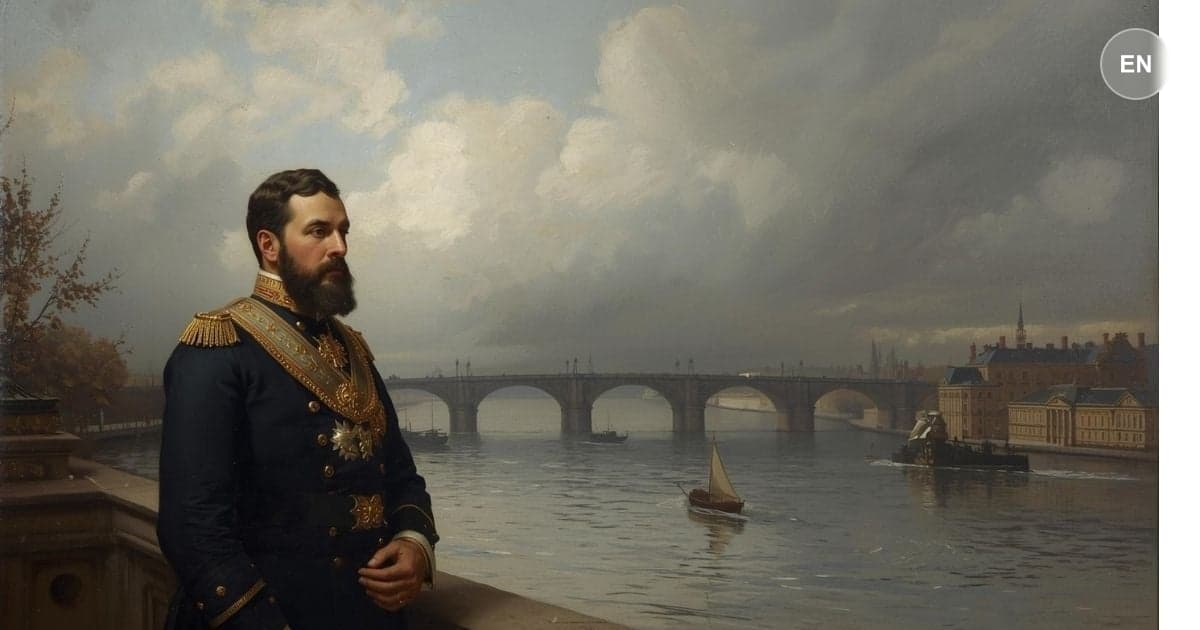
lexey Alexandrovitch came back from the meeting of the ministers at four o’clock, but as often happened, he had not time to come in to her. He went into his study to see the people waiting for him with petitions, and to sign some papers brought him by his chief secretary. At dinner time (there were always a few people dining with the Karenins) there arrived an old lady, a cousin of Alexey Alexandrovitch, the chief secretary of the department and his wife, and a young man who had been recommended to Alexey Alexandrovitch for the service. Anna went into the drawing-room to receive these guests. Precisely at five o’clock, before the bronze Peter the First clock had struck the fifth stroke, Alexey Alexandrovitch came in, wearing a white tie and evening coat with two stars, as he had to go out directly after dinner. Every minute of Alexey Alexandrovitch’s life was portioned out and occupied. And to make time to get through all that lay before him every day, he adhered to the strictest punctuality. “Unhasting and unresting,” was his motto. He came into the dining hall, greeted everyone, and hurriedly sat down, smiling to his wife.

1 / 8

Master this chapter. Complete your experience

Purchase the complete book to access all chapters and support classic literature

Read Free on GutenbergBuy at Powell'sBuy on Amazon

As an Amazon Associate, we earn a small commission from qualifying purchases at no additional cost to you.

Available in paperback, hardcover, and e-book formats

GO ADS FREE — JOIN US

Why This Matters

Connect literature to life

Skill: Recognizing Systemic Punishment

This chapter teaches how to identify when individual suffering is actually the result of institutional design meant to enforce conformity.

Practice This Today

This week, notice when someone facing hardship gets blamed for 'poor choices'—ask what systems created those impossible options in the first place.

GO ADS FREE — JOIN US

Now let's explore the literary elements.

Key Quotes & Analysis

"My darling boy! My own boy!"

— Anna

Context: When she first embraces Seryozha after months of separation

This simple exclamation captures the raw intensity of maternal love and the agony of forced separation. The repetition shows her desperate need to claim him as hers, even though legally and socially he no longer is.

In Today's Words:

My baby! You're still my baby!

"I thought you were dead. I saw you were run over by the train."

— Seryozha

Context: Seryozha tells Anna about a nightmare he had about her

This reveals the psychological trauma the separation has caused the child. His subconscious fear that his mother is dead reflects both his confusion about her absence and perhaps a prophetic element in the story.

In Today's Words:

I had nightmares that something terrible happened to you.

"You won't forget me? You...you won't forget me?"

— Anna

Context: Anna's desperate plea to Seryozha as she prepares to leave

This repetition shows Anna's terror that she'll become a stranger to her own child. It reveals her deepest fear - that her sacrifice will be meaningless if Seryozha stops loving her.

In Today's Words:

Promise me you'll still remember mommy, okay? Promise me you won't forget I love you.

Thematic Threads

Motherhood

In This Chapter

Anna's desperate love for Seryozha conflicts with her inability to be part of his daily life due to social and legal restrictions

Development

Evolved from earlier guilt to active grief as she faces the permanent reality of separation

In Your Life:

You might recognize this when work demands force you to miss important moments with your children

Social Control

In This Chapter

Society punishes Anna's pursuit of happiness by severing her bond with her child through legal and social mechanisms

Development

Escalated from social disapproval to concrete punishment affecting her most precious relationship

In Your Life:

You see this when institutions use access to basic needs as leverage to control behavior

Innocence

In This Chapter

Seryozha suffers the consequences of adult decisions he doesn't understand and had no part in making

Development

Introduced here as we see the ripple effects of Anna's choices on those who can't protect themselves

In Your Life:

You witness this when children bear the costs of divorce, addiction, or economic hardship in families

Time

In This Chapter

Anna realizes how much Seryozha has grown and changed during their separation, highlighting lost moments

Development

New recognition that time apart isn't just painful—it's irreversible and transformative

In Your Life:

You feel this when work or circumstances keep you from people you love during important periods of their lives

Identity

In This Chapter

Anna struggles to maintain her identity as a mother when society has legally and practically severed that role

Development

Deepened from questioning her choices to confronting the loss of a core part of who she is

In Your Life:

You experience this when major life changes force you to question fundamental aspects of who you thought you were

GO ADS FREE — JOIN US

You now have the context. Time to form your own thoughts.

Discussion Questions

  1. 1

    What does Anna discover about Seryozha during their brief reunion, and how has their relationship changed?

    analysis • surface
  2. 2

    Why does society allow fathers complete custody while denying mothers any rights, and what purpose does this serve?

    analysis • medium
  3. 3

    Where do you see impossible choice situations today where people must choose between fundamental needs like family and financial security?

    application • medium
  4. 4

    How would you counsel someone facing an impossible choice between their authentic self and their children's stability?

    application • deep
  5. 5

    What does this chapter reveal about how society uses children as leverage to control adult behavior?

    reflection • deep

Critical Thinking Exercise

10 minutes

Map the Impossible Choice

Think of a current situation where you or someone you know faces competing demands that seem impossible to balance. Draw or list the forces pulling in different directions. What institutions or systems created this dilemma? What would need to change to create better options?

Consider:

  • •Look for who benefits from keeping the choice impossible
  • •Consider what third options might exist outside the presented framework
  • •Notice how guilt and blame get assigned to individuals rather than systems

Journaling Prompt

Write about a time when you had to choose between two things you valued deeply. What forces created that impossible choice? Looking back, do you see any options you missed or systemic changes that could have helped?

Coming Up Next...

Chapter 34

The emotional aftermath of seeing Seryozha leaves Anna more conflicted than ever about her choices. Meanwhile, Karenin discovers evidence of Anna's visit and must decide how to respond to this violation of their arrangement.

Continue to Chapter 34
Previous
Chapter 32
Contents
Next
Chapter 34

Continue Exploring

Anna Karenina Study GuideTeaching ResourcesEssential Life IndexBrowse by ThemeAll Books
Love & RelationshipsSocial Class & StatusMoral Dilemmas & Ethics

You Might Also Like

War and Peace cover

War and Peace

Leo Tolstoy

Also by Leo Tolstoy

The Idiot cover

The Idiot

Fyodor Dostoevsky

Explores love & romance

Wuthering Heights cover

Wuthering Heights

Emily Brontë

Explores love & romance

Les Misérables: Essential Edition cover

Les Misérables: Essential Edition

Victor Hugo

Explores morality & ethics

Browse all 47+ books

Share This Chapter

Know someone who'd enjoy this? Spread the wisdom!

TwitterFacebookLinkedInEmail

Read ad-free with Prestige

Get rid of ads, unlock study guides and downloads, and support free access for everyone.

Subscribe to PrestigeCreate free account
Intelligence Amplifier
Intelligence Amplifier™Powering Wide Reads

Exploring human-AI collaboration through books, essays, and philosophical dialogues. Classic literature transformed into navigational maps for modern life.

2025 Books

→ The Amplified Human Spirit→ The Alarming Rise of Stupidity Amplified→ San Francisco: The AI Capital of the World
Visit intelligenceamplifier.org
hello@widereads.com

WideReads Originals

→ You Are Not Lost→ The Last Chapter First→ The Lit of Love→ Wealth and Poverty→ 10 Paradoxes in the Classics · coming soon
Arvintech
arvintechAmplify your Mind
Visit at arvintech.com

Navigate

  • Home
  • Library
  • Essential Life Index
  • How It Works
  • Subscribe
  • Account
  • About
  • Contact
  • Authors
  • Suggest a Book
  • Landings

Made For You

  • Students
  • Educators
  • Families
  • Readers
  • Literary Analysis
  • Finding Purpose
  • Letting Go
  • Recovering from a Breakup
  • Corruption
  • Gaslighting in the Classics

Newsletter

Weekly insights from the classics. Amplify Your Mind.

Legal

  • Privacy Policy
  • Terms of Service
  • Cookie Policy
  • Accessibility

Why Public Domain?

We focus on public domain classics because these timeless works belong to everyone. No paywalls, no restrictions—just wisdom that has stood the test of centuries, freely accessible to all readers.

Public domain books have shaped humanity's understanding of love, justice, ambition, and the human condition. By amplifying these works, we help preserve and share literature that truly belongs to the world.

A Pilgrimage

Powell's City of Books

Portland, Oregon

If you ever find yourself in Portland, walk to the corner of Burnside and 10th. The building takes up an entire city block. Inside is over a million books, new and used on the same shelf, organized by color-coded rooms with names like the Rose Room and the Pearl Room. You can lose an afternoon. You can lose a weekend. You will find a book you have been looking for your whole life, and three you did not know existed.

It is a pilgrimage. We cannot find a bookstore like it anywhere on earth. If you read the classics, and you ever get the chance, go. It belongs on every reader's bucket list.

Visit powells.com

We are not in any way affiliated with Powell's. We are just a very big fan.

© 2026 Wide Reads™. All Rights Reserved.

Intelligence Amplifier™ and Wide Reads™ are proprietary trademarks of Arvin Lioanag.

Copyright Protection: All original content, analyses, discussion questions, pedagogical frameworks, and methodology are protected by U.S. and international copyright law. Unauthorized reproduction, distribution, web scraping, or use for AI training is strictly prohibited. See our Copyright Notice for details.

Disclaimer: The information provided on this website is for general informational and educational purposes only and does not constitute professional, legal, financial, or technical advice. While we strive to ensure accuracy and relevance, we make no warranties regarding completeness, reliability, or suitability. Any reliance on such information is at your own risk. We are not liable for any losses or damages arising from use of this site. By using this site, you agree to these terms.