Chapter 209
Stepan Arkadyevitch does not waste Petersburg time: business, siste...
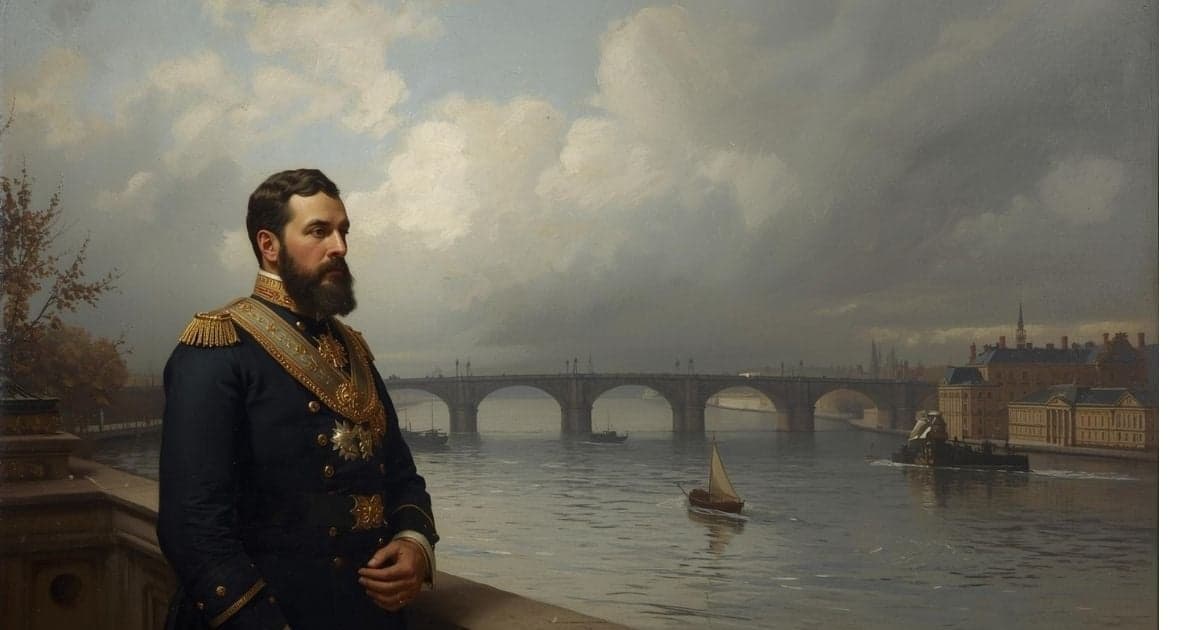
Stepan Arkadyevitch, as usual, did not waste his time in Petersburg. In Petersburg, besides business, his sister’s divorce, and his coveted appointment, he wanted, as he always did, to freshen himself up, as he said, after the mustiness of Moscow. In spite of its cafés chantants and its omnibuses, Moscow was yet a stagnant bog. Stepan Arkadyevitch always felt it. After living for some time in Moscow, especially in close relations with his family, he was conscious of a depression of spirits. After being a long time in Moscow without a change, he reached a point when he positively began…
Public-domain chapter text, formatted for reading.
Master this chapter. Complete your experience
Purchase the complete book to access all chapters and support classic literature
Available in paperback, hardcover, and e-book formats
Now let's explore the literary elements.
Key Quotes & Analysis
"freshen himself up"
Context: Stiva's Petersburg purpose besides business
City tonic.
In Today's Words:
Stiva wanted as always to freshen himself up after mustiness of Moscow while handling divorce and appointment. Tolstoy pairs pleasure with family errand. Freshen up is Stiva's honest motive beside duty. Petersburg stimulation precedes Lydia circle disorientation where sister's fate will be decided. Appointment hunting and pleasure share the same Petersburg afternoon.
"mustiness of Moscow"
Context: What Stiva escapes in Petersburg
Provincial stale.
In Today's Words:
After mustiness of Moscow Stiva seeks Petersburg refreshment alongside sister's divorce business. Tolstoy contrasts provinces and capital psychologies. Mustiness is Stiva's label for domestic air he avoids. Irony: Petersburg will feel more poisonous after Lydia evening and Landau trance refusal. Prince Pyotr's Baden story warns how capitals erode discipline quickly.
"screw loose"
Context: Stiva's view of Lydia Ivanovna on Landau
Judgment slip.
In Today's Words:
Stiva says fond Lydia has a screw loose somewhere having lost heart to Landau. Tolstoy mixes affection with contempt. Screw loose explains irrational sway. Her house and Karenin's now run through mesmerizer adopted as count with veto over Anna. Affection for Lydia coexists with contempt for her Landau devotion.
"your sister’s fate is now in the hands of Landau"
Context: Revealing who controls Anna's divorce prospects
Power map.
In Today's Words:
The narrator reports your sister's fate is now in the hands of Landau alias Count Bezzubov. Tolstoy names absurd pivot of plot. Fate in Landau's hands foreshadows trance refusal. Stiva's errand now requires spiritual courtier not Karenin alone in argument. Stiva must now navigate charlatan court before pleading with Karenin directly.
Thematic Threads
Petersburg networks
In This Chapter
Freshen up and appointments.
Development
Spiritual salon power.
In Your Life:
Capitals hide informal veto holders.
Charlatan ascent
In This Chapter
Cure then adoption.
Development
Trance decides divorce.
In Your Life:
Wealth can elevate quacks to gatekeepers.
Anna's peril
In This Chapter
Fate in Landau hands.
Development
Refusal coming.
In Your Life:
Legal cases can die in parlors not courts.
You now have the context. Time to form your own thoughts.
Discussion Questions
This is not a test. Five prompts guide you through the chapter, from how it opens to how it closes, so you notice context and rhythm rather than facts to memorize. Sit with each question in your own words. When you see "One way to read it," treat it as a starting point, not the only answer.
- 1
Why freshen himself up?
analysis • surfaceOne way to read it
Stiva honestly mixes pleasure with business, escaping Moscow stale air while handling divorce and appointment.
- 2
How does Landau rise?
analysis • mediumOne way to read it
He cures Countess Bezzubova, gets adopted as Count Bezzubov, then captures Lydia Ivanovna's judgment.
- 3
What does screw loose imply?
application • mediumOne way to read it
Stiva still loves Lydia but sees her Landau devotion as irrational loss of sane control over Karenin's circle.
- 4
Why fate in Landau's hands?
application • deepOne way to read it
Lydia's house and Karenin's decisions now route through the mesmerizer, making Anna's divorce a spiritual salon matter not legal negotiation.
- 5
When have you seen a guru control access?
reflection • deepOne way to read it
The Landau veto pattern names charisma overriding formal authority.
Critical Thinking Exercise
Draw Petersburg Power Map
List Karenin, Lydia, Landau, and where Anna's divorce actually will be decided.
Consider:
- •Include Count Bezzubov
- •Include screw loose
- •Include sister's fate
Journaling Prompt
Write about someone whose favorite advisor became a gatekeeper.
Coming Up Next...
Chapter 210
After Bartnyansky's cognac dinner Stiva will enter Countess Lidia Ivanovna's circle. After capital dinner and great deal of cognac at Bartnyansky's, Stepan Arkadyevitch enters Countess Lidia Ivanovna's salon slightly late. He asks hall porter who else is there and tries not putting my foot in it in unfamiliar religious talk..