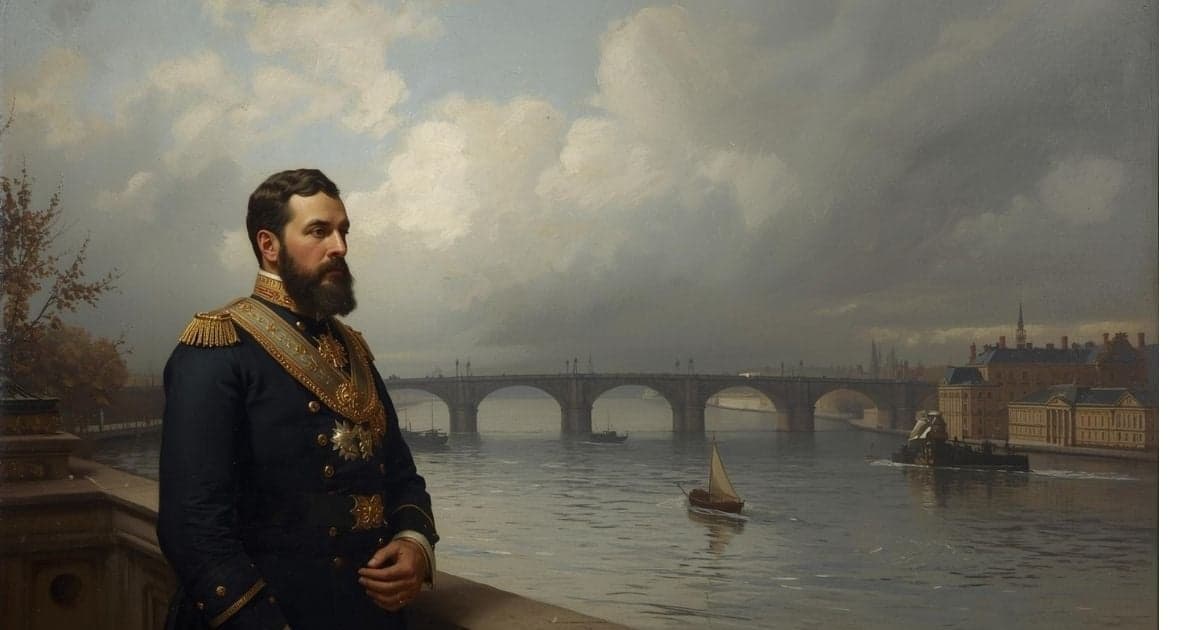
Chapter 193
Lvov, Natalia's husband, spent life in foreign capitals and diploma...
Lvov, the husband of Natalia, Kitty’s sister, had spent all his life in foreign capitals, where he had been educated, and had been in the diplomatic service. During the previous year he had left the diplomatic service, not owing to any “unpleasantness” (he never had any “unpleasantness” with anyone), and was transferred to the department of the court of the palace in Moscow, in order to give his two boys the best education possible. In spite of the striking contrast in their habits and views and the fact that Lvov was older than Levin, they had seen a great deal…
Public-domain chapter text, formatted for reading.
Master this chapter. Complete your experience
Purchase the complete book to access all chapters and support classic literature
Available in paperback, hardcover, and e-book formats
Now let's explore the literary elements.
Key Quotes & Analysis
"children leave me no time;"
Context: Explaining why his education is incomplete
Parent time.
In Today's Words:
Lvov tells Levin he is not ashamed to own his education has been weak because children leave me no time for more. Tolstoy humanizes cosmopolitan Lvov with domestic honesty. Time poverty excuses gaps a diplomat might hide. Parent talk bridges foreign service and Moscow family duties.
"my education has been"
Context: Admitting limits while wanting best for children
Honest gap.
In Today's Words:
Lvov says he is not ashamed to own that my education has been limited though he seeks the best education possible for his children. Tolstoy contrasts French accent polish with frank self-judgment. Admission builds sympathy with Levin's non-salon manner. Education theme links to university talk in prior chapter.
"les beaux-frères,"
Context: Blushing about Kitty's request to confront Oblonsky
Family coalition.
In Today's Words:
Lvov blushes that maman wants us les beaux-freres to attack Oblonsky per Kitty's message. Tolstoy turns gossip mission into French-flavored joke. Beaux-freres labels brothers-in-law as comic regiment. Attack Stiva contrasts warm visit tone. The French phrase les beaux-freres turns a scolding mission into family comedy, yet Kitty's request still presses Levin toward uncomfortable truth about Stiva.
"why should I?"
Context: When enlisted to attack Oblonsky
Refusal instinct.
In Today's Words:
Levin asks why should I when Lvov explains the Oblonsky attack plan on the stairs. Tolstoy keeps Levin's social reluctance consistent with call shame in neighboring chapters. Why should I voices moral distance from family scolding. Lvov's well then I will attack shows alternate willingness.
Thematic Threads
Foreign and home
In This Chapter
Lvov's capitals and accent.
Development
Moscow merges worlds.
In Your Life:
Returned expats bring other habits into family politics.
Education anxiety
In This Chapter
Lvov on children and self.
Development
Echoes university talk.
In Your Life:
Parents often judge themselves through children's schooling.
Oblonsky problem
In This Chapter
Attack plan.
Development
Stiva's spending and charm.
In Your Life:
Families coordinate scolding charming spenders.
You now have the context. Time to form your own thoughts.
Discussion Questions
This is not a test. Five prompts guide you through the chapter, from how it opens to how it closes, so you notice context and rhythm rather than facts to memorize. Sit with each question in your own words. When you see "One way to read it," treat it as a starting point, not the only answer.
- 1
What does Lvov admit about his education?
analysis • surfaceOne way to read it
He says children leave me no time and he is not ashamed to own his education has been limited while wanting the best for his children.
- 2
What is les beaux-freres supposed to do?
analysis • mediumOne way to read it
Kitty asked Levin to talk about Oblonsky; Lvov says maman wants the brothers-in-law to attack Stiva about his behavior.
- 3
Why does Levin ask why should I?
application • mediumOne way to read it
He dislikes performing family scolding and feels no personal duty to confront Oblonsky despite Kitty's request.
- 4
How does Lvov differ from Levin socially?
application • deepOne way to read it
Foreign service, accent, and cosmopolitan habits contrast Levin's country directness yet they speak warmly about education and family.
- 5
When have you been asked to join a family intervention you resisted?
reflection • deepOne way to read it
The beaux-freres mission pattern names comic coalitions around uncomfortable truth.
Critical Thinking Exercise
Trace Kitty's Oblonsky Errand
List Lvov's self-description, the attack plan, and Levin's response.
Consider:
- •Include les beaux-freres
- •Include why should I
- •Include children leave me no time
Journaling Prompt
Write about a family request to confront someone you did not want to scold.
Coming Up Next...
Chapter 194
Levin will escort Madame Lvova to a concert of King Lear fantasia and Bach quartette. At the afternoon concert two new pieces interest Levin: a fantasia King Lear and a quartette dedicated to Bach's memory, both in the new style he is eager to judge. He escorts Madame Lvova, meets Pestsov, and hears Marvelous in mellow bass while ladies in bonnets tie strings over ears..