Chapter 177
Anna brings Dolly to the terrace where Princess Varvara embroiders ...
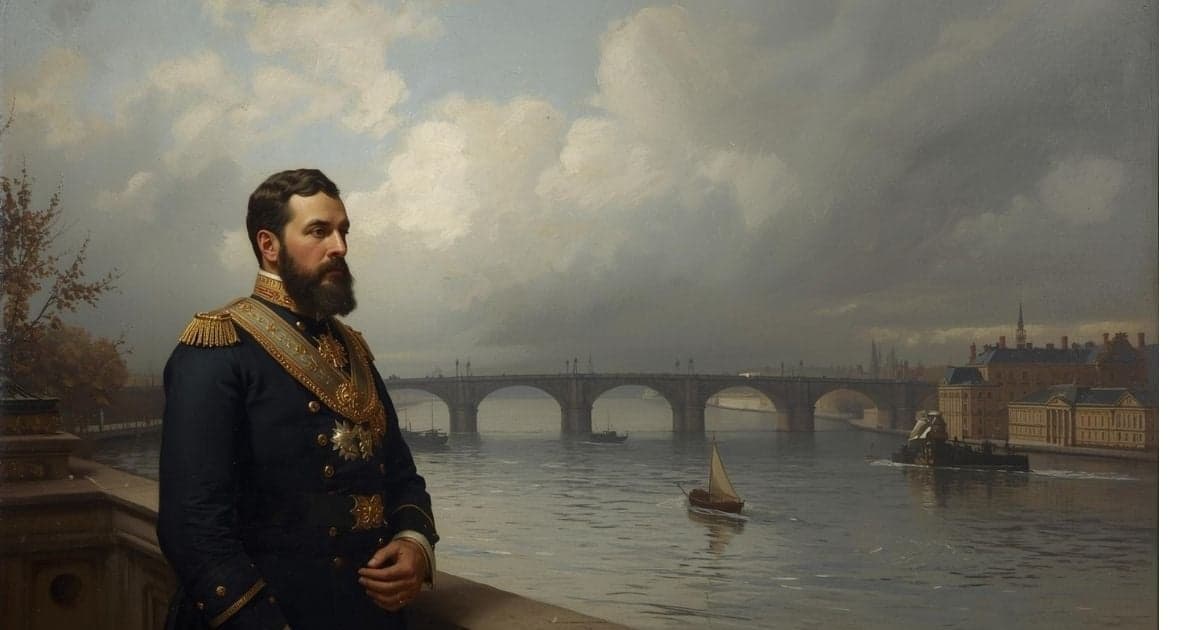
“Here’s Dolly for you, princess, you were so anxious to see her,” said Anna, coming out with Darya Alexandrovna onto the stone terrace where Princess Varvara was sitting in the shade at an embroidery frame, working at a cover for Count Alexey Kirillovitch’s easy chair. “She says she doesn’t want anything before dinner, but please order some lunch for her, and I’ll go and look for Alexey and bring them all in.” Princess Varvara gave Dolly a cordial and rather patronizing reception, and began at once explaining to her that she was living with Anna because she had always cared…
Public-domain chapter text, formatted for reading.
Master this chapter. Complete your experience
Purchase the complete book to access all chapters and support classic literature
Available in paperback, hardcover, and e-book formats
Now let's explore the literary elements.
Key Quotes & Analysis
"I am doing my duty, however difficult it may be for me"
Context: Explaining why she lives with Anna after others abandoned her
Duty as cover.
In Today's Words:
Varvara tells Dolly she is doing my duty, however difficult it may be for me, unlike some other people, while promising to return to solitude after Karenin grants divorce. Tolstoy gives the patronizing aunt a moral vocabulary that flatters her and pressures Dolly to admire the household. Duty here means staying for transition, not equal friendship. The phrase prepares Varvara's role as gatekeeper to Anna's world.
"how sweet it is of you, how right of you to have come!"
Context: Welcoming Dolly to the terrace visit
Praise as social test.
In Today's Words:
Varvara greets Dolly with how sweet it is of you, how right of you to have come, then claims they live like the best of married couples. Tolstoy uses flattery to bind Dolly to the visit's legitimacy while Varvara performs charity. Sweet and right imply others who stayed away were wrong. Dolly must feel both thanked and judged.
"I agree to anything,"
Context: When Vronsky proposes how to entertain Dolly
Easy assent.
In Today's Words:
Sviazhsky answers Vronsky's outing plans with I agree to anything and imagines a stroll would please Dolly best. Tolstoy contrasts political talk elsewhere with gentle country hospitality here. The phrase shows how the circle orbits Vronsky's wish to impress Anna's sister-in-law. Agreement without preference keeps peace before harder conversations.
"I imagine that what Dolly would like best would be a stroll"
Context: After agreeing to Vronsky's plans for the guest
Guest comfort guessed.
In Today's Words:
Sviazhsky says he imagines what Dolly would like best would be a stroll along the river banks, turning group logistics into thoughtful hosting. Tolstoy keeps Dolly at the center of the day's performance: every walk and tea proves Anna's life can look normal. The guess may be wrong yet signals welcome. Outings delay the divorce talk Vronsky will seek privately.
Thematic Threads
Duty versus abandonment
In This Chapter
Varvara contrasts herself with people who left Anna.
Development
Sets up her meddling in divorce talks.
In Your Life:
Allies who remind you who stayed often want control too.
Sympathy for Vronsky
In This Chapter
Dolly mentally enters Anna's place.
Development
Softens her before Vronsky's garden plea.
In Your Life:
Meeting someone's partner can shift judgment faster than argument.
Country idyll
In This Chapter
Tea, embroidery, and stroll plans.
Development
Contrasts with Dolly's later night doubts.
In Your Life:
Perfect visits can feel convincing until you are alone.
You now have the context. Time to form your own thoughts.
Discussion Questions
This is not a test. Five prompts guide you through the chapter, from how it opens to how it closes, so you notice context and rhythm rather than facts to memorize. Sit with each question in your own words. When you see "One way to read it," treat it as a starting point, not the only answer.
- 1
Why does Princess Varvara say she is doing her duty?
analysis • surfaceOne way to read it
She frames staying with Anna during transition as moral service unlike others who abandoned her, while planning to return to solitude after divorce.
- 2
What does Dolly's sympathy for Vronsky suggest about her visit?
analysis • mediumOne way to read it
Watching his simple eagerness lets her mentally enter Anna's place and like him, which will make later judgment of the affair harder.
- 3
How does Sviazhsky's I agree to anything function in the scene?
application • mediumOne way to read it
It shows the circle deferring to Vronsky's wish to impress Dolly with strolls and river plans, keeping the day pleasant before private talks.
- 4
Why might Varvara praise Dolly for coming?
application • deepOne way to read it
Calling the visit sweet and right implies others were wrong to stay away, binding Dolly to validate Anna's household publicly.
- 5
When have you felt a welcome was also a performance?
reflection • deepOne way to read it
The staged welcome pattern names hospitality that argues for legitimacy before anyone states the controversy aloud.
Critical Thinking Exercise
Map The Terrace Visit
List Varvara's duty speech, three hospitality details, and how Dolly's view of Vronsky changes by chapter end.
Consider:
- •Include doing my duty
- •Include I agree to anything
- •Include Dolly liking Vronsky
Journaling Prompt
Write about visiting someone whose home looked perfect until you were alone with your doubts.
Coming Up Next...
Chapter 178
Vronsky will escort Dolly home through the garden and ask her, as Anna's friend, to speak about divorce. When Anna wants to visit the new stallion, Vronsky offers to escort Dolly home through the garden for a little talk. Once sure Anna cannot hear, he wipes his balding head and opens with laughing eyes: You guess that I have something I want to say..