Chapter 127
Moscow crowds the wedding church while guests grow uneasy at the br...
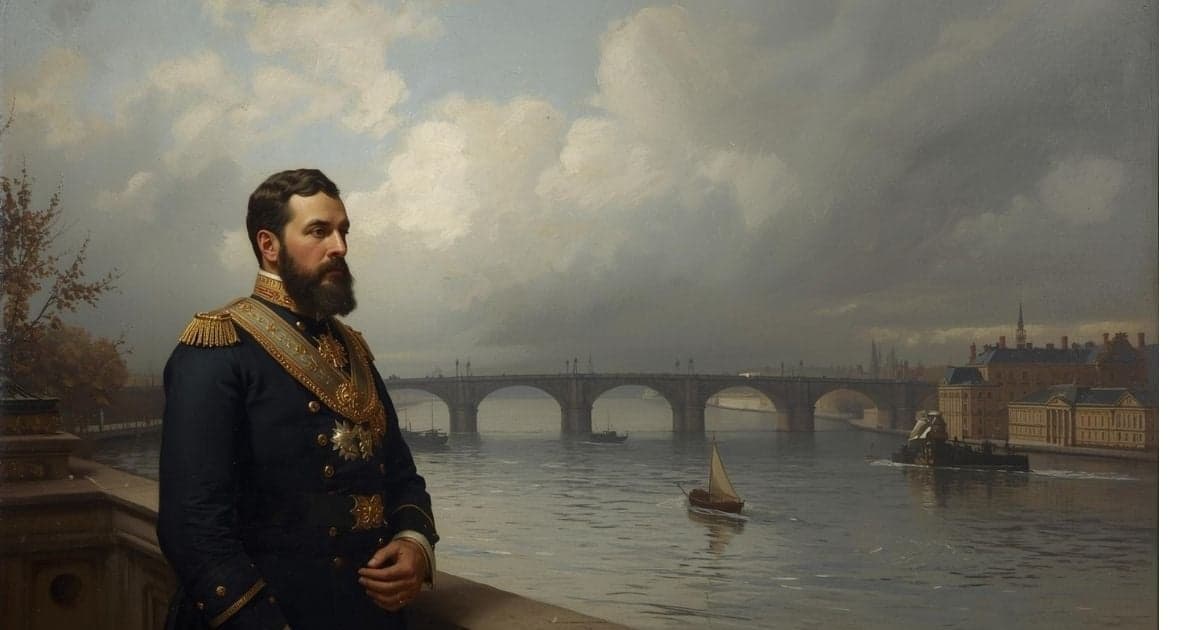
A crowd of people, principally women, was thronging round the church lighted up for the wedding. Those who had not succeeded in getting into the main entrance were crowding about the windows, pushing, wrangling, and peeping through the gratings. More than twenty carriages had already been drawn up in ranks along the street by the police. A police officer, regardless of the frost, stood at the entrance, gorgeous in his uniform. More carriages were continually driving up, and ladies wearing flowers and carrying their trains, and men taking off their helmets or black hats kept walking into the church. Inside…
Public-domain chapter text, formatted for reading.
Master this chapter. Complete your experience
Purchase the complete book to access all chapters and support classic literature
Available in paperback, hardcover, and e-book formats
Now let's explore the literary elements.
Key Quotes & Analysis
"Was ever a man in such a fearful fool’s position?"
Context: Pacing the hotel corridor
Levin names his humiliation directly.
In Today's Words:
Levin asks whether any man has ever been in such a foolish position. The line captures wedding-day absurdity when a missing shirt threatens public shame. Tolstoy elevates petty logistics to comic tragedy, reminding us that ceremonies depend on mundane details that can fail. Tolstoy uses this moment to show how private feeling becomes visible through ordinary social language, and readers can apply the same lens when interpreting everyday speech around major life transitions.
"It will come round, it will come round ."
Context: Following Levin to the church
Stiva's refrain contrasts with Levin's frenzy.
In Today's Words:
Stiva repeats that it will come round while Levin runs ahead in panic. The phrase does not fix the shirt problem but survives it. Tolstoy contrasts personalities: one trusts time and social elasticity, the other experiences delay as moral catastrophe. Tolstoy uses this moment to show how private feeling becomes visible through ordinary social language, and readers can apply the same lens when interpreting everyday speech around major life transitions.
"You won’t help matters like this,”"
Context: As Levin runs without looking at his watch
Calm tells frenzy it cannot hurry time.
In Today's Words:
Stiva tells Levin that running wildly will not help. The line is simple but revealing: emotional acceleration does not create clean shirts or open shops. Wedding stress often produces behaviors that feel urgent yet change nothing material. Tolstoy uses this moment to show how private feeling becomes visible through ordinary social language, and readers can apply the same lens when interpreting everyday speech around major life transitions.
"Only just in time. They were just lifting it into the van,”"
Context: Arriving with the shirt
Salvation arrives at the last possible second.
In Today's Words:
Kouzma says the shirt arrived only as luggage was being sent away. The comic timing shows how narrowly disaster is avoided. Such scenes become family legend because they expose how close grandeur sits to farce. Tolstoy uses this moment to show how private feeling becomes visible through ordinary social language, and readers can apply the same lens when interpreting everyday speech around major life transitions.
Thematic Threads
Comedy
In This Chapter
Shirt crisis undercuts wedding grandeur.
Development
Balances Levin's tears in the next chapter.
In Your Life:
Major events often survive on ridiculous near misses.
Class and service
In This Chapter
Levin depends on Kouzma and Stiva for basic readiness.
Development
Shows aristocratic life's hidden labor.
In Your Life:
Celebrations rely on unseen preparation and recovery.
Waiting
In This Chapter
Kitty and Moscow wait while Levin panics.
Development
Builds tension before the service.
In Your Life:
Public schedules magnify private mistakes.
You now have the context. Time to form your own thoughts.
Discussion Questions
This is not a test. Five prompts guide you through the chapter, from how it opens to how it closes, so you notice context and rhythm rather than facts to memorize. Sit with each question in your own words. When you see "One way to read it," treat it as a starting point, not the only answer.
- 1
Why does the shirt matter so much to Levin?
analysis • surfaceOne way to read it
Fashion and public appearance at his wedding require a clean shirt with the open waistcoat. A crumpled morning shirt would look ridiculous before all Moscow.
- 2
How does Stiva's attitude differ from Levin's?
analysis • mediumOne way to read it
Stiva trusts social elasticity and time; Levin experiences delay as shame and catastrophe. Stiva smokes and reassures while Levin rages.
- 3
What does Kitty's waiting contrast with?
application • mediumOne way to read it
She is dressed and ready at the window while Levin struggles with servants and shirts. Her stillness highlights his chaos.
- 4
Why is Kouzma's late arrival comic and meaningful?
application • deepOne way to read it
The shirt is saved at the last second as luggage departs. Tolstoy shows ceremonies survive on narrow logistical margins.
- 5
What small detail has nearly wrecked an important event for you or someone you know?
reflection • deepOne way to read it
The logistics farce pattern invites us to remember near misses that later become the best stories.
Critical Thinking Exercise
Map the Delay
Track who waits where during Levin's shirt crisis. Note how public time pressure differs from private problem-solving.
Consider:
- •Include church crowd
- •Include Kitty at window
- •Include Kouzma's van timing
Journaling Prompt
Write about a celebration that almost failed over something small.
Coming Up Next...
Chapter 128
Levin and Kitty will at last enter the church, and the service will undo his ideas of marriage. Levin meets Kitty at the church entrance while the crowd comments on her pallor. He sees only her truthful expression beneath the Paris gown, not the fashion..