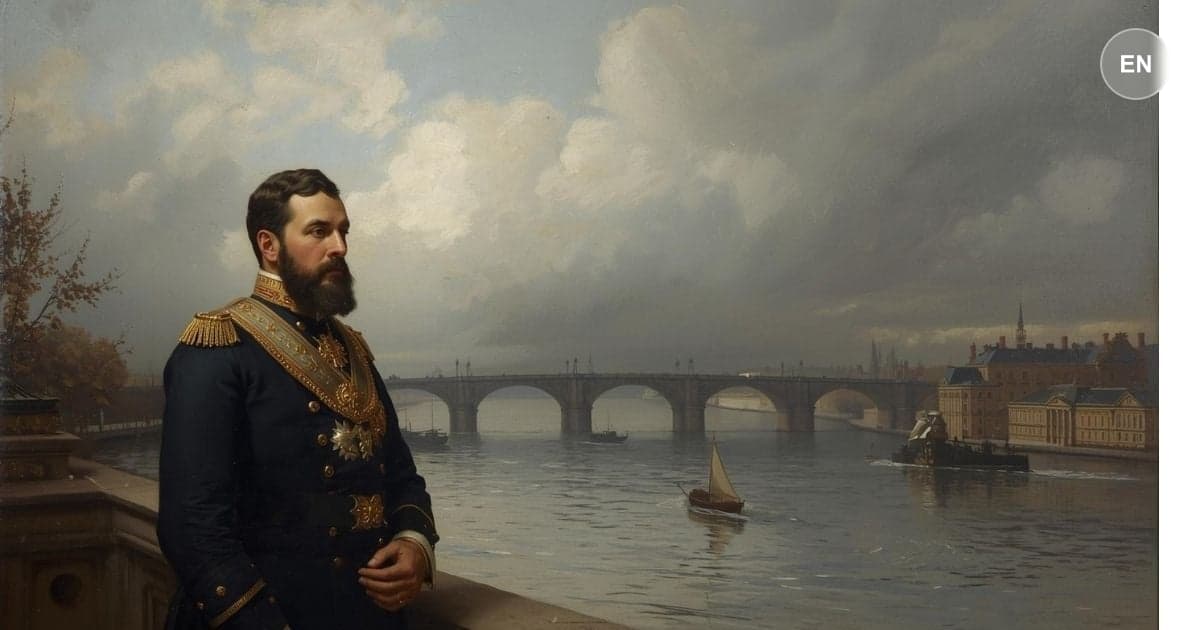
Master this chapter. Complete your experience
Purchase the complete book to access all chapters and support classic literature
As an Amazon Associate, we earn a small commission from qualifying purchases at no additional cost to you.
Available in paperback, hardcover, and e-book formats
Why This Matters
Connect literature to life
This chapter teaches how to identify when intellectual overthinking prevents us from accessing simple, effective solutions.
Practice This Today
This week, notice when you're researching a decision you could make with your gut—then trust your instinct and see what happens.
Now let's explore the literary elements.
Key Quotes & Analysis
"What am I? Where am I? Why am I here?"
Context: While working in his fields, questioning his existence
These are the fundamental questions of human existence that no amount of success or education can answer. Levin realizes his material achievements feel meaningless without spiritual purpose.
In Today's Words:
What's the point of any of this? Why am I even here?
"They live, they suffer, and they die in peace, knowing why they live and die."
Context: Observing his workers and envying their certainty
Levin recognizes that simple people often have what educated people lack - a sense of purpose and peace about life's big questions. Their faith gives them answers his intellect cannot provide.
In Today's Words:
They just know what life's about while I'm over here overthinking everything.
"I have been seeking in knowledge what could only be given by life itself."
Context: His realization about the limits of intellectual understanding
This represents Levin's breakthrough moment - understanding that some truths can't be learned from books or reasoning, but must be experienced through living, suffering, and faith.
In Today's Words:
I've been looking for answers in my head when I should have been looking with my heart.
Thematic Threads
Class
In This Chapter
Levin's education and wealth isolate him from the intuitive wisdom of his peasant workers
Development
Evolved from earlier social commentary to show how class differences affect spiritual understanding
In Your Life:
You might notice how formal education sometimes creates distance from practical wisdom in your workplace or community
Identity
In This Chapter
Levin's intellectual identity becomes a barrier to finding authentic meaning and peace
Development
Deepened from surface social roles to core questions of who we really are
In Your Life:
You might struggle when your professional identity conflicts with what actually brings you fulfillment
Personal Growth
In This Chapter
True growth requires questioning whether intellectual sophistication leads to wisdom
Development
Shifted from external achievements to internal spiritual development
In Your Life:
You might find that real growth comes from simplifying rather than complicating your approach to life's big questions
Human Relationships
In This Chapter
Levin's analytical nature creates barriers to connecting with the simple faith of others
Development
Expanded from romantic relationships to broader human connection across social divides
In Your Life:
You might notice how overthinking can prevent you from connecting authentically with people from different backgrounds
You now have the context. Time to form your own thoughts.
Discussion Questions
- 1
What contrast does Tolstoy draw between Levin's mental state and that of his peasant workers?
analysis • surface - 2
Why does Levin's education and analytical thinking seem to create more problems than solutions for him?
analysis • medium - 3
Where do you see this pattern today - educated people struggling with anxiety while less formally educated people seem more at peace?
application • medium - 4
When facing a major life decision, how would you balance careful analysis with trusting your instincts?
application • deep - 5
What does this chapter suggest about the relationship between knowledge and wisdom?
reflection • deep
Critical Thinking Exercise
The Overthinking Audit
Think of a current situation you've been analyzing extensively - a relationship issue, career decision, or personal problem. Write down all the research, advice, and analysis you've gathered about it. Then imagine you only had 30 seconds to decide based on your gut feeling. What would that quick decision be, and how different is it from your analytical conclusion?
Consider:
- •Notice if your gut reaction feels more or less authentic than your researched conclusion
- •Consider whether additional information has made you more confident or more confused
- •Think about people you know who make decisions quickly and confidently - what do they do differently?
Journaling Prompt
Write about a time when overthinking led you away from the right choice, or when someone with less education than you gave you advice that was exactly what you needed to hear.
Coming Up Next...
Chapter 113
Levin's philosophical crisis deepens as he contemplates a decision that could change everything. A chance encounter forces him to confront the gap between his beliefs and his actions.