
Today · Headlines
September 4, 2026
A headline paired with two books that had already named the pattern underneath it.

Today · Headlines
September 4, 2026
Serbia brings Mladic home for a funeral as Europe warns a state ceremony would close the EU door
A Serbian government plane brought the body of Ratko Mladic back to Belgrade on Thursday, the coffin wrapped in a national flag ahead of weekend ceremonies expected to draw tens of thousands. Mladic died last week at 84 in U.N. detention while serving a life sentence for genocide and war crimes during Bosnia's 1992–95 war. President Aleksandar Vucic had floated a state funeral, then softened the language after Croatian and EU leaders warned that glorifying the general would violate European values and could end Serbia's path to membership. The argument is no longer about the Hague verdict. It is about who gets to name what the grave means.
The life truth
How literature reiterates life truths from today's headlines
A nation does not only bury its dead. It buries its verdict.
How it relates to today's headline
The photograph is not a courtroom. It is a flag on a coffin and a crowd assembling in an army hall. Belgrade is not disputing that Mladic died in custody; it is disputing what his burial is allowed to cost. That is a different kind of trial — one literature has been holding for centuries. In The Brothers Karamazov, Dostoevsky asks who bears guilt when violence was ordered in a father's name and the town still wants a blessing. In A Tale of Two Cities, Dickens shows how a society buries the past only by deciding which bodies get resurrection and which stay in the ledger. The useful question is not whether Saturday's ceremony will be called "state" on the programme. It is whether a nation can mourn without turning a conviction into a monument.


Editorial series
Wide Reads ChroniclesHow today's ideas echo the past

Recognition walks backward from the popular summary until the older voice answers — who got named and what the culture kept selling after the page disagreed. One book, one cliché, one reckoning.
More books about Morality & Ethics
Both books in this edition share this thread. Here's where else it shows up.

A Christmas Carol
Charles Dickens

Adventures of Huckleberry Finn
Mark Twain

Anna Karenina
Leo Tolstoy

As I Lay Dying
William Faulkner

Beowulf
Unknown

Beyond Good and Evil
Friedrich Nietzsche

Candide
Voltaire

Crime and Punishment
Fyodor Dostoevsky
Genres in this edition
Both books draw from these genres — browse further if today's pairing worked for you.
More books to explore
This edition features two. There are 118+ more in the library.
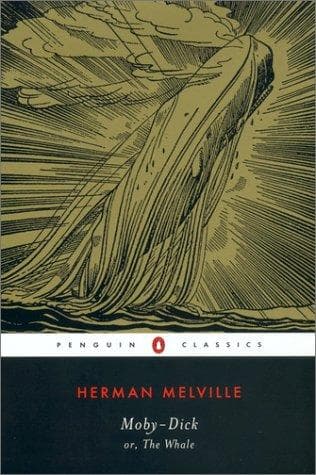
Moby-Dick
Herman Melville
The Count of Monte Cristo
Alexandre Dumas

Thus Spoke Zarathustra
Friedrich Nietzsche
Crime and Punishment
Fyodor Dostoevsky

A Sicilian Romance
Ann Radcliffe

War and Peace
Leo Tolstoy
The Gambler
Fyodor Dostoevsky

Villette
Charlotte Brontë
Get Weekly Insights from Classic Literature
Join our newsletter and receive timeless wisdom, modern applications, and deep dives into the classics—delivered straight to your inbox every week.
No spam. Unsubscribe anytime. We respect your privacy.
You deserve more.
$2.99/month
Everything in a free subscribed account, plus downloads, chapter audio, theme analysis, and member perks.
- All chapter audio across the library
- Theme analysis and study guide downloads
- Early access and exclusive Prestige content