
The Recognition · No. 11
Solomon got the byline. Wisdom stood in the street.
Most readers arrive with Solomon's name on the cover and a handful of lines ready to quote: pride before a fall, train up a child, the virtuous woman reduced to a checklist. That is the shorthand. It is not who the book puts on the page.
Chapter 1 opens in Solomon's name, then a father warns a son about a gang that sells belonging until you notice the blood. Wisdom cries without in the streets and at the gate. She is refused. Later she will not answer when they call.
The recognition is not that the book lacks a king. It is that the culture kept Solomon's byline and dropped Wisdom in public, the scribes who preserved the sayings, Agur's humility, the mother who wrote royal law, and the woman the poem never asks you to call a mystic.
Who the summary names
“Solomon's quote-card file: kingly one-liners without context, a Proverbs 31 woman as a virtue checklist, and every line credited to the name on the cover.”
Solomon · the quote card · the checklist
Who the book names
Wisdom in the street. A father who says consent thou not. Hezekiah's scribes. Agur. Lemuel's mother. A woman whose ledger already works.
Proverbs · Solomon (attributed)
The popular summary names Solomon and the quote card. The book names Wisdom in the street, Agur's confession, the mother who taught the king, and the woman whose ledger already works.
Wisdom cries where crowds pass
The popular summary treats Proverbs as a king's private notebook. Chapter 1 will not let that stand. After the heading — the proverbs of Solomon the son of David, king of Israel — a father and a mother speak. Hear the instruction of thy father, and forsake not the law of thy mother. Then the pitch: Come with us. Let us all have one purse. Consent thou not. The first lesson is not a one-liner. It is a refusal taught at home, before the street has finished its offer.
Then Wisdom herself takes the gate. She cries without. She utters her voice in the streets, in the chief place of concourse, in the openings of the gates. She is not a palace secret. She is refused in public, and she says so. Because I have called, and ye refused. When fear comes as desolation, they will seek her early and not find her. In chapter 8 she is still at the doors: unto you, O men, I call. By me kings reign. The king does not invent her. He lasts, if he lasts, because she was already there.
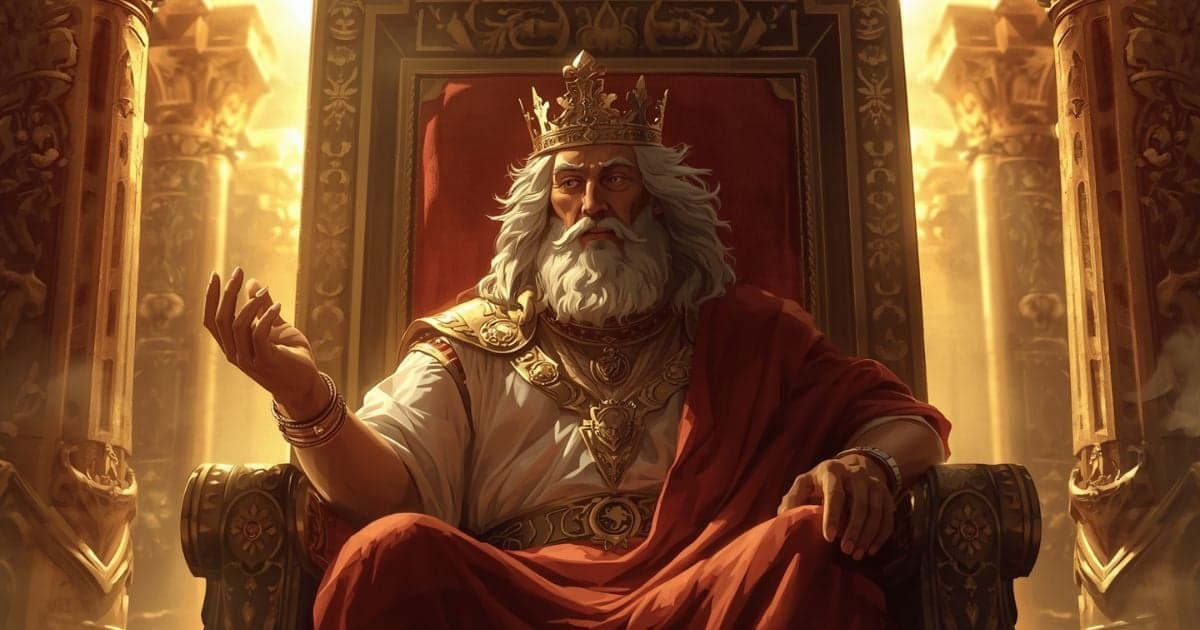 Read who cried in the street
The source · Chapter 1, Proverbs
“Wisdom crieth without; she uttereth her voice in the streets: she crieth in the chief place of concourse, in the openings of the gates.”Proverbs 1, King James Version (public domain)
Chapter 9 then sets a rival in the same high places. Wisdom has built her house, hewn out seven pillars, and sent maidens to call. Folly sits at a door and uses the same sentence: Whoso is simple, let him turn in hither. Stolen waters are sweet. The dead are there. Recognition is noticing that the book puts both invitations in public, not in a king's signed collection of one-liners.
The scribes copied the king
If every line belonged to Solomon, the compilers would not keep interrupting him. In chapter 22, after the famous couplets — a good name, the borrower as servant, train up a child — the register changes. Bow down thine ear, and hear the words of the wise. That is a heading, not a flourish. A second voice states its purpose: that thy trust may be in the LORD, and that thou mightest answer the words of truth to them that send unto thee.
Then chapter 25 says the quiet part in a single line: These are also proverbs of Solomon, which the men of Hezekiah king of Judah copied out. A later court still needed the sayings. Scribes had to copy them, or they would not have reached us. The popular summary keeps the king. The book names the men who kept the king's words from vanishing.
Agur will not wear the crown
Chapter 30 will not even pretend. The words of Agur the son of Jakeh. He speaks to Ithiel and Ucal — names otherwise unknown — and opens by calling himself more brutish than any man. I neither learned wisdom, nor have the knowledge of the holy. Who hath gathered the wind in his fists? What is his name, and what is his son's name, if thou canst tell?
Then the prayer the quote card never wants: give me neither poverty nor riches; feed me with food convenient for me. Lest I be full, and deny thee. Lest I be poor, and steal. This is not a finished crown. It is a teacher who will not add to God's words lest he be found a liar. A library that can hold Agur is not a brand. It is a method: say what you do not know, then watch ants, locusts, and the spider in a king's palace.
The mother taught the king
The last chapter is the one most readers think they already know. They know the woman. They skip the mother. Chapter 31 opens: the words of king Lemuel, the prophecy that his mother taught him. She is the only speaker the book explicitly credits as a woman. What, my son? Give not thy strength unto women, nor thy ways to that which destroyeth kings. It is not for kings to drink wine, lest they forget the law and pervert the judgment of any of the afflicted.
Then the charge that is not a domestic scorecard: Open thy mouth for the dumb. Open thy mouth, judge righteously, and plead the cause of the poor and needy. Only after that does the acrostic portrait begin. The woman considers a field and buys it. She plants a vineyard with the fruit of her hands. She makes linen and sells it. She stretches out her hand to the poor. The book's last line does not ask you to invent a title for her. Give her of the fruit of her hands, and let her own works praise her in the gates.
That is the recognition. Same thirty-one chapters, same famous name on the cover. Different ledger. The popular summary kept Solomon and the lines that travel. The book named Wisdom in the street, the wise whose words begin at chapter 22, the scribes who copied under Hezekiah, Agur who would not pretend, the mother who taught a king to plead for the poor, and a woman whose household already worked. Today the credit goes to the page that posts a kingly line at dawn, the speaker who sells wisdom as a personal brand, and the popular summary that turns chapter 31 into a domestic scorecard. Proverbs names Wisdom crying where crowds pass, the father who tells a son to consent thou not, Hezekiah's scribes who copied what the court still needed, Agur asking for neither poverty nor riches, Lemuel's mother telling a king to plead for the poor, and a woman whose household and merchandise already work before anyone praises her in the gates.
Bring this to the table
If Solomon got the byline and Wisdom stood in the street, who did the popular summary actually credit — and who still does the teaching?
Common Questions
Search questions this recognition answers: who Proverbs wants named, whether Solomon wrote it all, and who speaks in chapter 31.
Who does Proverbs want named?
Not only Solomon, though his name opens the book and heads several collections. Wisdom is personified as a woman calling in the streets and at the city gate. A father and mother teach a son in the opening chapters. Agur speaks in chapter 30 and begins with radical ignorance. Lemuel's mother teaches a king in chapter 31. Hezekiah's scribes are named as the men who copied out more of Solomon's sayings. The capable woman at the close is praised by her works in the gates, not by a title the poem invents for her.
Why does recognition matter in Proverbs?
Because the book is a library, not a single voice. If you credit every line to Solomon, you miss the method: wisdom tested in palace and street, copied when a later court still needed it, confessed by a teacher who will not pretend he knows heaven's name, and delivered by a mother to a king who must judge for the poor. Recognition arrives when you see that the popular summary kept the byline and dropped the people the text names as teachers.
Did Solomon write all of Proverbs?
The text is more honest than the reputation. It attributes collections to Solomon, to the wise, to Agur son of Jakeh, and to Lemuel's mother. Chapter 25 explicitly says Hezekiah's men copied out proverbs of Solomon generations later. Tradition gave the whole book to Solomon; the book itself names several sources. Whether every couplet left his mouth matters less than noticing who the compilers credit.
Who is Wisdom in Proverbs?
In chapters 1, 8, and 9, Wisdom is portrayed as a woman who speaks in public: crying in the streets, at the chief place of concourse, and in the openings of the gates. She offers instruction and is refused; later she will not answer when calamity comes. Folly also sits in a doorway and makes a parallel invitation. The personification is not decoration. It puts wisdom where people actually walk, not only where kings sign their names.
Who wrote Proverbs 31?
The first nine verses are the prophecy Lemuel's mother taught him — the only passage in the book explicitly attributed to a woman. She warns a king about drink and judgment, then charges him to open his mouth for the dumb and plead for the poor. The acrostic poem that follows describes a capable woman; the book's final line says let her own works praise her in the gates. Many readers know the woman; fewer name the mother who opens the chapter.
Who was Agur in Proverbs 30?
Agur son of Jakeh addresses Ithiel and Ucal — names otherwise unknown. He opens by saying he is more brutish than any man and has not the understanding of a man, then asks who has ascended to heaven or bound the wind. He asks for neither poverty nor riches lest he steal or deny God. His numbered lists observe generations, small creatures, and kings. The chapter stands as a deliberate counter-voice to any wisdom that sounds like a finished crown.
Read who Proverbs actually named.
Proverbs is thirty-one chapters on Wisdom in the street, a father who says consent thou not, scribes who copied a king, and a woman whose works already praise her. We guide it chapter by chapter in plain language. The original text stays in the book you buy. The first chapter's audio is free. The rest is $2.99 a month, every book on the shelf.