
Today · Headlines
August 28, 2026
A headline paired with two books that had already named the pattern underneath it.

Today · Headlines
August 28, 2026
Iran names its terms as Hormuz stays closed and tankers burn
Mediators from Qatar and Oman are pressing Iran to reopen the Strait of Hormuz — the waterway that carries a fifth of the world's oil in peacetime. Tehran says it will publish its conditions: lift the U.S. naval blockade, pay war damages, remove sanctions. Washington says the strait is open. Shipping data says traffic is still a fraction of normal. On Thursday another oil tanker was reported hit in the channel. Diplomacy is moving. The chokepoint is not.
The life truth
How literature reiterates life truths from today's headlines
Whoever holds the passage sets the price of peace.
How it relates to today's headline
Today's headline is not a ceasefire — it is a negotiation over access. Iran controls the strait; mediators shuttle terms; a tanker burns while both sides insist the other must move first. The classics have seen this before: the war pauses, the leverage does not. Machiavelli wrote for princes who knew that reopening a road was never generosity — it was currency. Tolstoy watched courts declare friendship while armies still marched. The useful question is not who spoke today. It is who still controls the gate.

The Prince
The life truth
Terms are not justice — they are leverage. Whoever controls the chokepoint writes the conditions for letting anyone through.
Read guide
War and Peace
The life truth
Diplomatic warmth in the capital does not mean the war has stopped — headlines about friendship can mask an army still on the move.
Read guideEditorial series
Wide Reads ChroniclesHow today's ideas echo the past

Collision pairs the bestseller with the source that made the move first — what the modern book promised, what the older voice already knew, and where the two ledgers disagree.
Earlier installments
- No. 24Eat Pray Love vs The Divine ComedyBefore Eat Pray Love, Dante started in Hell.
- No. 23The Gift of Fear vs DraculaBefore The Gift of Fear, Stoker wrote the solicitor who kept riding.
- No. 22The Art of Seduction vs MetamorphosesBefore The Art of Seduction, Ovid wrote the gods who never stop pursuing — and the bodies that pay.
More books about Systems Thinking
Both books in this edition share this thread. Here's where else it shows up.

Das Kapital
Karl Marx

Gulliver's Travels
Jonathan Swift

Hard Times
Charles Dickens

Heart of Darkness
Joseph Conrad

Noli Me Tángere
José Rizal

The Art of War
Sun Tzu

The Iron Heel
Jack London

The Wealth of Nations
Adam Smith
Genres in this edition
Both books draw from these genres — browse further if today's pairing worked for you.
More books to explore
This edition features two. There are 118+ more in the library.
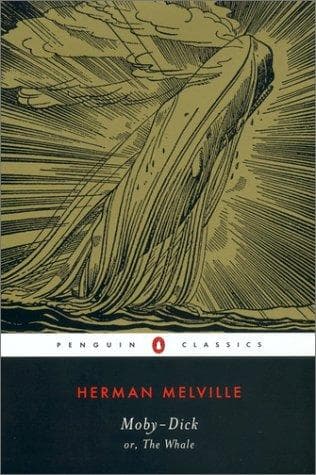
Moby-Dick
Herman Melville

The Count of Monte Cristo
Alexandre Dumas

Thus Spoke Zarathustra
Friedrich Nietzsche
Crime and Punishment
Fyodor Dostoevsky

A Sicilian Romance
Ann Radcliffe
The Gambler
Fyodor Dostoevsky
The Brothers Karamazov
Fyodor Dostoevsky

Villette
Charlotte Brontë
Get Weekly Insights from Classic Literature
Join our newsletter and receive timeless wisdom, modern applications, and deep dives into the classics—delivered straight to your inbox every week.
No spam. Unsubscribe anytime. We respect your privacy.
You deserve more.
$2.99/month
Everything in a free subscribed account, plus downloads, chapter audio, theme analysis, and member perks.
- All chapter audio across the library
- Theme analysis and study guide downloads
- Early access and exclusive Prestige content