Chapter 239
The Scapegoat's Father
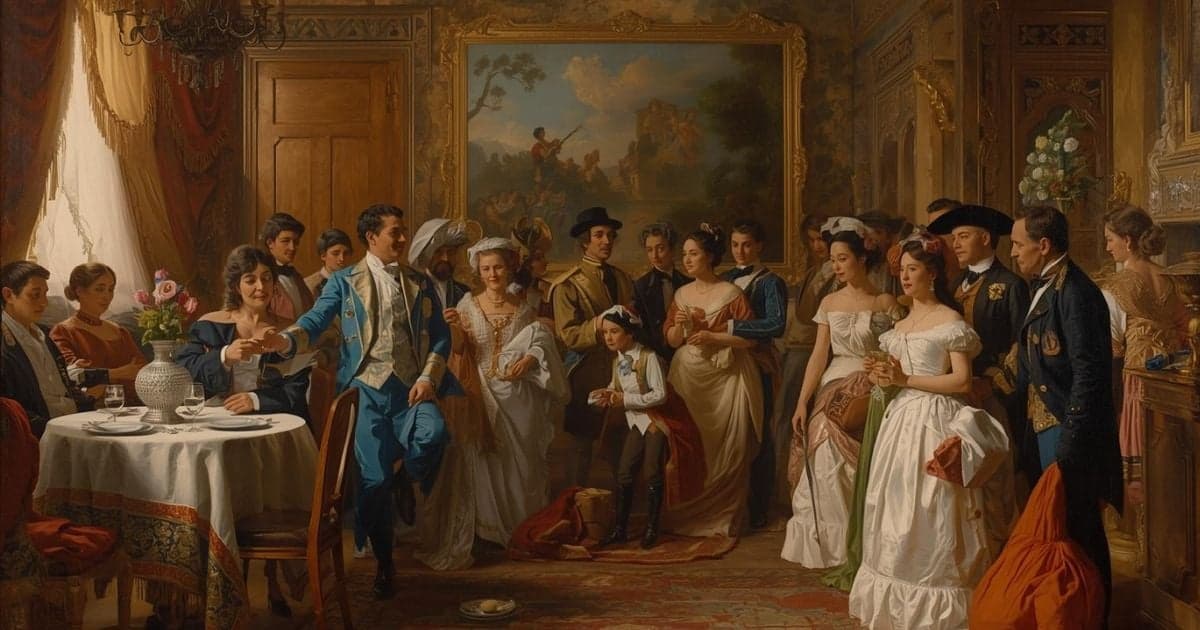
On the thirtieth of August Pierre reached Moscow. Close to the gates of the city he was met by Count Rostopchín’s adjutant. “We have been looking for you everywhere,” said the adjutant. “The count wants to see you particularly. He asks you to come to him at once on a very important matter.” Without going home, Pierre took a cab and drove to see the Moscow commander in chief. Count Rostopchín had only that morning returned to town from his summer villa at Sokólniki. The anteroom and reception room of his house were full of officials who had been summoned…
Public-domain chapter text, formatted for reading.
Master this chapter. Complete your experience
Purchase the complete book to access all chapters and support classic literature
Available in paperback, hardcover, and e-book formats
Now let's explore the literary elements.
Key Quotes & Analysis
"his Serene Highness says he will defend Moscow to the last drop of blood and is even ready to fight in the streets."
Context: Fresh propaganda Pierre reads in the anteroom
Paper courage.
In Today's Words:
Rostopchin's broadsheet vows Moscow defended to the last drop of blood, even in the streets. Officials print courage while planning surrender. Read proclamations against who already knows the city is lost. Name who gains leverage and who bears the private cost once the room empties.
"I made it up myself.”"
Context: Under interrogation about the proclamation
Stubborn lie.
In Today's Words:
Young Vereshchagin insists he wrote the proclamation himself though it was translated from French. Pride and panic produce an unbreakable false confession. Ask who benefits when a scapegoat claims sole authorship. Name who gains leverage and who bears the private cost once the room empties.
"If that’s so, you’re a traitor and I’ll have you tried, and you’ll be hanged! Say from whom you had it.’ ‘I have seen no papers, I made it up myself.’"
Context: Confronting the young man
Theater of justice.
In Today's Words:
Rostopchin calls him traitor, threatens hanging, demands a source; the youth repeats he made it up. Power wants a chain of blame, not truth. Watch trials that need a name more than facts. Name who gains leverage and who bears the private cost once the room empties.
"That’s not he himself, that’s the father of the fellow who wrote the proclamation,” said the adjutant."
Context: Pointing out the old man Pierre asked about
Father not son.
In Today's Words:
The adjutant says the calm old man is the restaurant keeper father, not the imprisoned writer son. Punishment reaches families while officials smile at the story. See who stands in the anteroom versus who sits in a cell. Name who gains leverage and who bears the private cost once the room empties.
Thematic Threads
Broadsheet versus Reality
In This Chapter
Last drop of blood prose
Development
Surrender known inside
In Your Life:
You might read courage on paper and flight in halls.
Father Waiting
In This Chapter
Vereshchagin senior calm
Development
Family bears scandal
In Your Life:
You might see parents at the door of power.
You now have the context. Time to form your own thoughts.
Discussion Questions
This is not a test. Five prompts guide you through the chapter, from how it opens to how it closes, so you notice context and rhythm rather than facts to memorize. Sit with each question in your own words. When you see "One way to read it," treat it as a starting point, not the only answer.
- 1
Why are officials crowding Rostopchin's house?
analysis • surfaceOne way to read it
To escape personal responsibility as Moscow will soon be in enemy hands.
- 2
What does the new broadsheet promise?
analysis • mediumOne way to read it
Defense of Moscow to the last drop of blood, even fighting in the streets.
- 3
What did young Vereshchagin insist under threat?
application • mediumOne way to read it
That he wrote the proclamation himself though it was translated from French.
- 4
Who is the old man Pierre notices?
application • deepOne way to read it
The father of the imprisoned writer, a restaurant keeper come to intercede.
- 5
When have you seen a scapegoat needed more than facts?
reflection • deepOne way to read it
Name the chain of hands. Andrew maps Rostopchin's anteroom.
Critical Thinking Exercise
Map the Scapegoat Pattern
Think of a current situation where someone in authority is making promises they can't keep or creating unrealistic expectations. Draw a simple diagram showing who makes the decisions, who gets blamed when things go wrong, and who actually pays the consequences. Then identify what warning signs you could watch for to avoid becoming the scapegoat.
Consider:
- •Look for gaps between public promises and private preparations
- •Notice who has the power to make decisions versus who gets held responsible
- •Pay attention to how blame flows downward while credit flows upward
Journaling Prompt
Write about a time when you were blamed for something that wasn't entirely your fault. What systemic issues or impossible expectations contributed to the situation? How might you handle it differently now?
Coming Up Next...
Chapter 240: Pierre's Dangerous Associations
Pierre will witness the brutal conclusion of the Vereshchágin affair, seeing firsthand how a desperate leader sacrifices an innocent man to maintain his own authority. The encounter will force Pierre to confront uncomfortable truths about power, justice, and his own complicity in the system..