Chapter 166
The Cold Aftermath of Betrayal
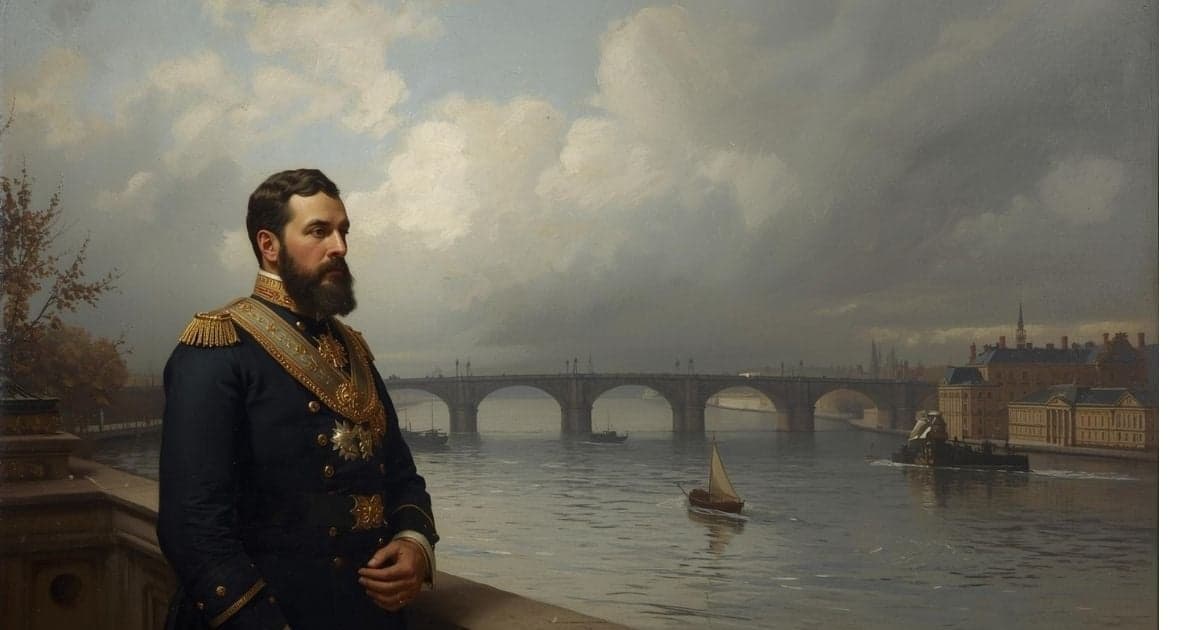
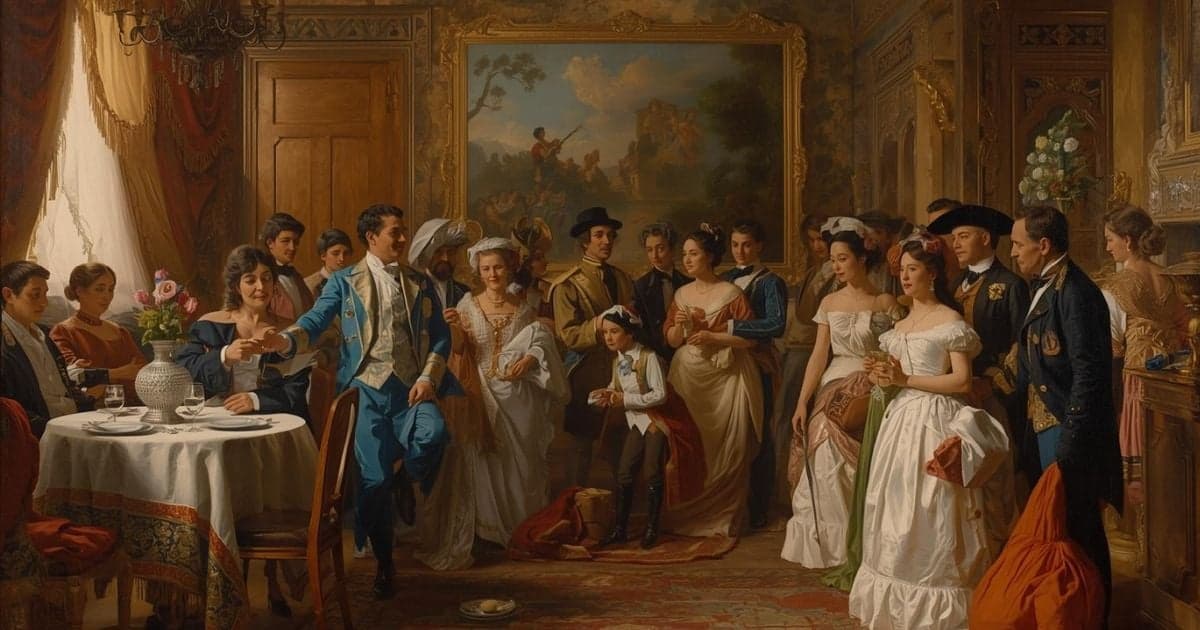
Pierre drove to Márya Dmítrievna’s to tell her of the fulfillment of her wish that Kurágin should be banished from Moscow. The whole house was in a state of alarm and commotion. Natásha was very ill, having, as Márya Dmítrievna told him in secret, poisoned herself the night after she had been told that Anatole was married, with some arsenic she had stealthily procured. After swallowing a little she had been so frightened that she woke Sónya and told her what she had done. The necessary antidotes had been administered in time and she was now out of danger, though…
Public-domain chapter text, formatted for reading.
Master this chapter. Complete your experience
Purchase the complete book to access all chapters and support classic literature
Available in paperback, hardcover, and e-book formats
Now let's explore the literary elements.
Key Quotes & Analysis
"It seemed to Pierre that it was his duty to conceal the whole affair and re-establish Natásha’s reputation."
Context: Pierre denying gossip at the club
Reputation work becomes moral task.
In Today's Words:
Pierre feels duty-bound to hide the affair and restore Natasha's reputation. Communities survive on stories, not only facts. When you can contain a scandal without denying care to the person hurt, weigh both duties openly. Name who gains leverage and who bears the private cost once the room empties.
"He resolutely denied these rumors, assuring everyone that nothing had happened except that his brother-in-law had proposed to her and been refused."
Context: Pierre at the club countering abduction talk
Face-saving lies can shield the vulnerable.
In Today's Words:
Pierre firmly says only a refused proposal occurred, not an abduction. Controlled narratives sometimes protect victims from town appetite. If you reshape the story, keep the victim's safety central, not your comfort. Name who gains leverage and who bears the private cost once the room empties.
"I said that a fallen woman should be forgiven, but I didn’t say I could forgive her. I can’t.”"
Context: Refusing Pierre's appeal about Natasha
Abstract mercy, personal hardness.
In Today's Words:
Andrew says fallen women should be forgiven in theory but he cannot forgive Natasha. People often grant principles they withhold from those who wounded them. Notice when someone's philosophy stops at their pride. Name who gains leverage and who bears the private cost once the room empties.
"Give this to the countess... if you see her.”"
Context: Handing Natasha's letters and portrait to Pierre
Return becomes rejection ritual.
In Today's Words:
Andrew tells Pierre to give the packet to the countess if he sees her. Returning letters is closing a life, not neutral logistics. When someone uses a messenger to end things, read the coldness as pain armored. Name who gains leverage and who bears the private cost once the room empties.
Thematic Threads
Emotional Displacement
In This Chapter
Andrew argues Speranski while heartbreak waits in the next room
Development
Shows his old pattern intensified by betrayal
In Your Life:
You might bury private grief in public debate when pain feels unbearable.
Reputation Shield
In This Chapter
Pierre denies abduction rumors to protect Natasha
Development
Pairs with Andrew's refusal to soften privately
In Your Life:
You might fight gossip while the person inside still needs one kind witness.
You now have the context. Time to form your own thoughts.
Discussion Questions
This is not a test. Five prompts guide you through the chapter, from how it opens to how it closes, so you notice context and rhythm rather than facts to memorize. Sit with each question in your own words. When you see "One way to read it," treat it as a starting point, not the only answer.
- 1
What happened to Natasha after she learned Anatole was married?
analysis • surfaceOne way to read it
She took arsenic, frightened herself awake, told Sonya, and was saved by antidotes but remains very ill.
- 2
How does Pierre respond to club gossip about the Rostovs?
analysis • mediumOne way to read it
He denies abduction rumors and says only that Anatole proposed and was refused.
- 3
When have you seen someone use big arguments to avoid private grief?
application • mediumOne way to read it
Name the displacement. Andrew maps Andrew debating Speranski before opening Natasha's letters.
- 4
What does Andrew say about forgiving a fallen woman?
application • deepOne way to read it
He says such women should be forgiven in theory but he cannot forgive Natasha himself.
- 5
Why does Tolstoy pair Natasha's suicide attempt with Andrew's cold return?
reflection • deepOne way to read it
Shame destroys inward while pride performs outward, showing two brutal paths after the same scandal.
Critical Thinking Exercise
Righteous Cruelty Reality Check
Think of a time when you were genuinely wronged by someone. Write down three things you did or wanted to do in response. For each response, honestly assess: Was this about protecting yourself or punishing them? Was this moving toward healing or keeping the wound fresh? Now imagine giving advice to a friend in the exact same situation - would your advice be different from what you actually did?
Consider:
- •Notice how much easier it is to be compassionate toward others than ourselves
- •Pay attention to whether your actions moved you forward or kept you stuck
- •Consider whether holding onto anger served you or drained you
Journaling Prompt
Write about a time when someone hurt you and you chose either revenge or healing. What did you learn about yourself from that choice, and how would you handle a similar situation today?
Coming Up Next...
Chapter 167: Pierre's Moment of Grace
As Moscow buzzes with rumors and preparations for war intensify, the personal dramas of our characters become entangled with the larger forces of history that will soon engulf them all That evening Pierre delivers letters to the Rostovs; Marya Dmitrievna tells him not to scold Natasha, who has dressed and waits in the drawing room. Natasha begs Pierre to ask Prince Andrew to forgive.