Chapter 09
Basil arrives at Dorian's breakfast table the morning after Sibyl's...
As he was sitting at breakfast next morning, Basil Hallward was shown into the room. “I am so glad I have found you, Dorian,” he said gravely. “I called last night, and they told me you were at the opera. Of course, I knew that was impossible. But I wish you had left word where you had really gone to. I passed a dreadful evening, half afraid that one tragedy might be followed by another. I think you might have telegraphed for me when you heard of it first. I read of it quite by chance in a late edition…
Public-domain chapter text, formatted for reading.
Master this chapter. Complete your experience
Purchase the complete book to access all chapters and support classic literature
Available in paperback, hardcover, and e-book formats
Now let's explore the literary elements.
Key Quotes & Analysis
"I am so glad I have found you, Dorian,"
Context: Basil arrives after a frightened night
Basil's relief shows genuine care, which Dorian will treat as intrusion.
In Today's Words:
When someone searches for you after bad news, they are offering presence, not surveillance. Distinguish friends who show up from people who only want updates; the first group deserves honesty even when you are ashamed. Ghosting them teaches you to prefer performance over repair when shame arrives at the door.
"What is done is done. What is past is past."
Context: Dorian refuses to discuss Sibyl with Basil
He uses closure language to shut down accountability while continuing the life that produced the harm.
In Today's Words:
Saying the past is past can be healthy boundaries or moral evasion. If the line appears right after someone asks you to face a victim's pain, it is probably evasion dressed as maturity. Closure without amends is disappearance, not growth, and the other person will feel abandoned.
"You only taught me to be vain."
Context: Dorian compares Basil unfavorably to Lord Henry
He blames the man who adored his surface for the corruption Henry fed his appetites.
In Today's Words:
Attacking the person who loved your potential is a classic move when you have chosen a worse mentor. Notice when you resent the friend who believed in you because their belief now feels like a mirror you cannot stand. Blame the witness only when you refuse to change.
"I worshipped you."
Context: Basil's confession later in the visit
Basil admits idolatry, showing how devotion without honesty prepared this rupture.
In Today's Words:
Worshipping someone you paint, manage, or mentor blinds you to their choices until the gap between image and act becomes unbearable. Love needs truth more than it needs a pedestal, and confession without accountability is still blindness. Idolatry prepares the rupture it claims to prevent.
Thematic Threads
Accountability
In This Chapter
Basil asks Dorian to feel; Dorian refuses and calls it mastery
Development
Henry's philosophy wins the breakfast argument
In Your Life:
You might see this when someone treats grief as bad taste
Friendship
In This Chapter
Basil offers presence; Dorian offers performance
Development
Devotion becomes something to manage and withhold
In Your Life:
You might see this when you punish the friend who still tells the truth
Secrecy
In This Chapter
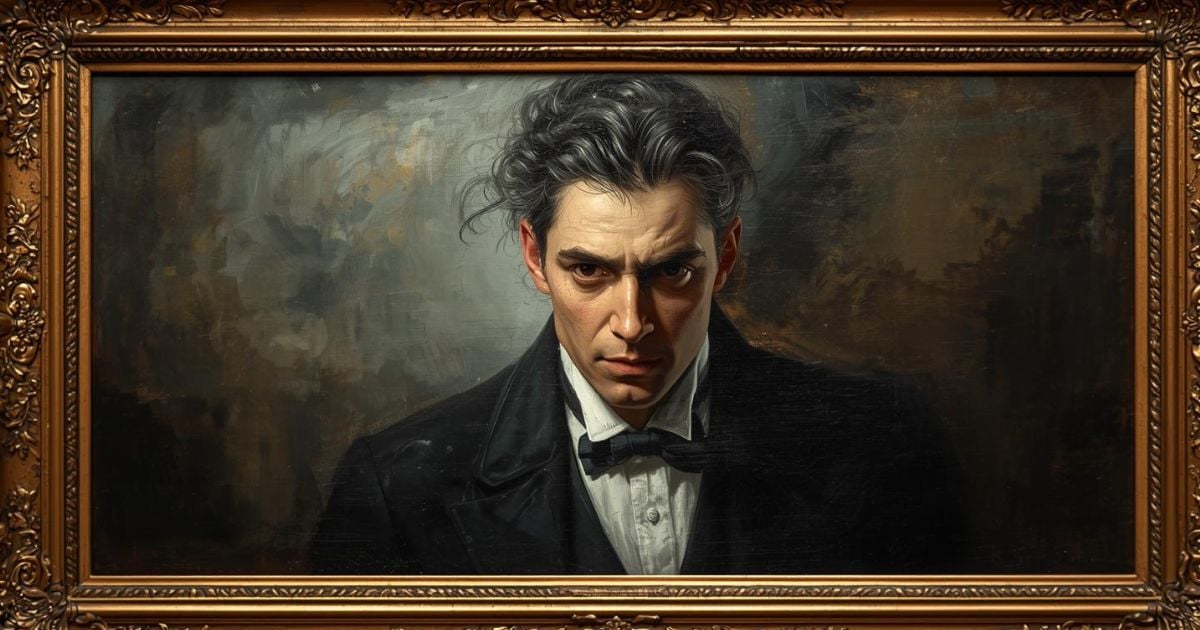
The screened portrait threatens exposure and forces Dorian's panic
Development
Basil's worship confession buys temporary cover
In Your Life:
You might see this when you fear a friend seeing one hidden part of your life
Influence
In This Chapter
Dorian credits Henry with ideas and blames Basil for vanity
Development
Mentor choice hardens into allegiance
In Your Life:
You might see this when you resent the friend who believed in you
Grief
In This Chapter
Basil grieves openly; Dorian schedules art and opera
Development
Emotional speed mismatch becomes abandonment
In Your Life:
You might see this when moving on is demanded before amends exist
You now have the context. Time to form your own thoughts.
Discussion Questions
This is not a test. Five prompts guide you through the chapter, from how it opens to how it closes, so you notice context and rhythm rather than facts to memorize. Sit with each question in your own words. When you see "One way to read it," treat it as a starting point, not the only answer.
- 1
Why is Basil horrified that Dorian went to the opera after Sibyl died?
analysis • surfaceOne way to read it
Dorian treats a death as something not to discuss. Expression, he says, is what makes things real, so he refuses the reality.
- 2
How does Dorian stop Basil from seeing the portrait?
analysis • mediumOne way to read it
He threatens to end their friendship if the screen moves. The secret matters more than Basil's art.
- 3
What confession does Basil make about why he painted Dorian?
application • mediumOne way to read it
He worshipped Dorian as the visible ideal. The portrait was idolatry, which is why he once refused to show it.
- 4
Why does Dorian feel relief instead of shame after Basil's confession?
application • deepOne way to read it
Basil's secret distracted from Dorian's. He keeps performing innocence and resolves that the portrait must be hidden before anyone sees it again.
- 5
When have you deflected scrutiny by letting someone else reveal vulnerability first?
reflection • deepOne way to read it
Dorian survives the visit by redirecting attention, then decides the portrait cannot stay where friends might glimpse it.
Critical Thinking Exercise
Test Your Closure Language
Recall a moment you said it is in the past or I have moved on after hurting someone or failing them. Write what the other person still needed from you that your sentence avoided. Then write one concrete amends sentence you could have offered instead.
Consider:
- •Notice if relief arrived before accountability
- •Ask who still carried cost after you declared closure
- •Consider whether maturity or evasion was doing the talking
Journaling Prompt
Write about a time someone asked you to feel something you preferred to style away.
Coming Up Next...
Chapter 10
Dorian sends for workmen to move the portrait into his locked childhood schoolroom, spends the afternoon reading the poisonous French novel Lord Henry lent him, and begins building the architecture of an aesthetic double life..